This IPO list of those worth more than Rs 10,000 crore coming from India has not proved to be profitable for the investors, according to the analysis carried out through the Ace Equity database. The six biggest IPOs in the present cycle have collected about Rs 1.06 lakh crore in total, but four IPOs among these are currently trading below the offer price.
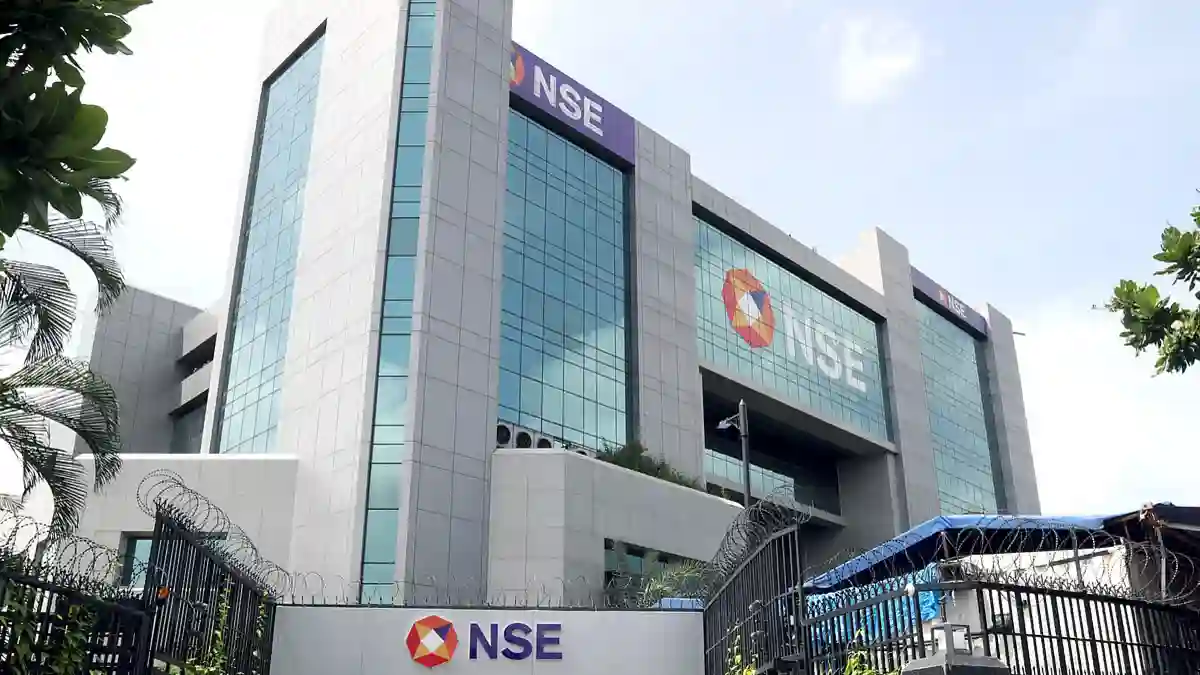
This past performance has now become relevant since the country's stock exchange itself is becoming a part of this list, having raised Rs 22,562 crore by issuing its own IPO, which will turn out to be the second-largest IPO in India, after Hyundai Motor India.
According to the above analysis, only two out of the six large-sized IPOs have returned positive gains. The Hyundai India IPO, the biggest ever in India worth Rs 27,870 crore, is 11% above its issue price. The Tata Capital IPO, which raised Rs 15,511 crore, is 8% above.
The other four IPOs have caused losses to investors who subscribed during their listing. Life Insurance Corporation of India, which raised Rs 20,557 crore, has declined by 57% from its issue price, marking the worst-performing stock in this category. Having said that, Paytm’s Rs 18,300 crore IPO is trading down 15%, while HDB Financial’s Rs 12,500 crore IPO is trading down 6%. Similarly, LG Electronics’ Rs 11,607 crore IPO has declined 49%.
For your reference, out of the six Rs 10,000 crore-plus IPOs that have come to market in the current market cycle, four IPOs have been unprofitable to date.
Not only do individual statistics show this tendency, but so do the overall numbers. The mean return on all six mega-IPOs based on their issue price is around negative 18%.
When the same returns are weighted according to the issue size, making larger IPOs carry more weight in calculating the mean, the results still remain negative and amount to around negative 16%. This is especially important, since the losses were not experienced solely by the small-scale offerings from this list; larger ones affected the mean as well.
In describing such results, the article speaks of "a warning for investors seeking size alone."
Some characteristics make the NSE's IPO different from others in this bunch. The entire offering will be done in Offer for Sale (OFS) format, where existing shareholders would be selling their holdings to other parties rather than the exchange trying to raise funds.
The list of sellers includes institutional holders like State Bank of India, Canada Pension Plan Investment Board, Bank of Baroda, New India Assurance, and United India Insurance Company. One of the key institutional holders of NSE, the Life Insurance Corporation of India (LIC), will not be participating in the OFS. This decision by LIC, the largest stakeholder in NSE, is considered a sign of faith in the future of the exchange rather than exiting from it.
This institutional enthusiasm was evident even in its anchor book, which is reported to have gotten subscribed to the tune of nearly Rs 1.2 lakh crore, which is more than 20 times the size of the book.
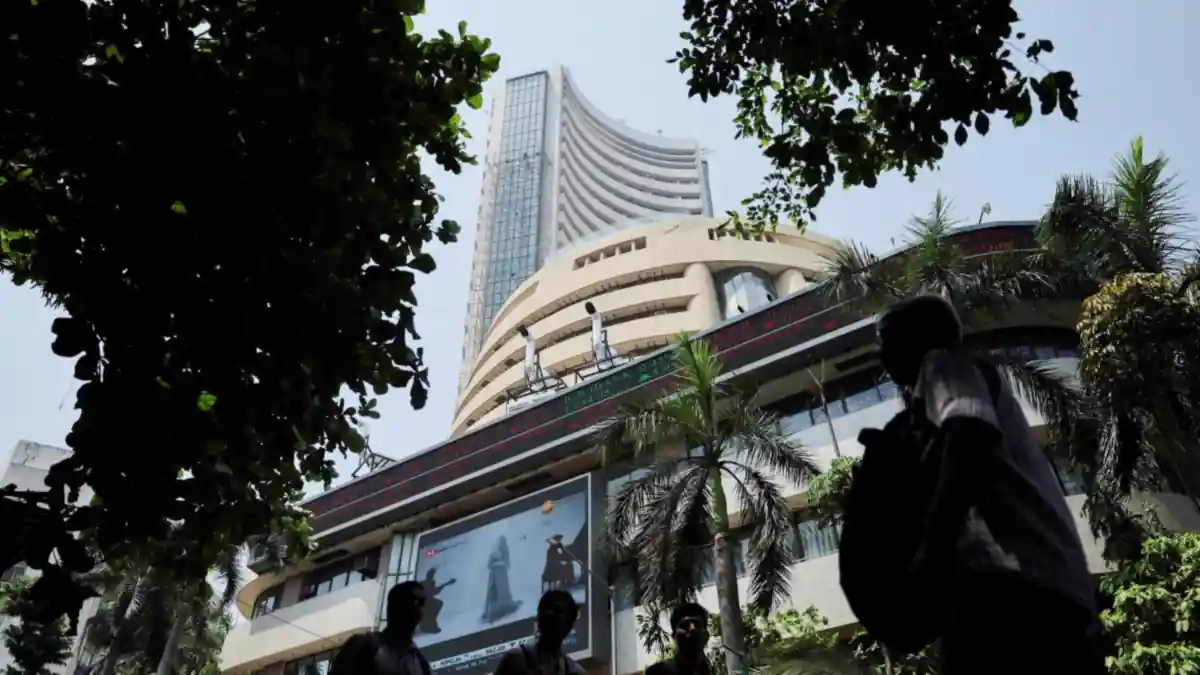
With NSE joining the mega-IPO bandwagon, it is interesting to note that NSE possesses a better brand value compared to most of the companies that preceded them in the list above. Being the largest stock exchange in India, NSE has a market capitalization of approximately Rs 4.42 lakh crore, which is almost four times higher compared to its competitor, the Bombay Stock Exchange, where daily turnover of the cash market is Rs 1.05 lakh crore as opposed to BSE's Rs 7,950 crore.
The stock exchange has also tried to diversify its revenue stream, where revenues from listing charges, data services, index licensing, and investments have constituted a significant portion of their business apart from traditional volumes of trading.
Thus, brand value, along with NSE's institutional size, makes it a differentiating factor among other companies like Paytm and LG Electronics in terms of business basics; however, it must be noted that the analysis takes into account the fact that a good brand is no excuse to ignore the mega-IPO record.
The NSE IPO appears to have witnessed a very high investor appetite from the beginning. It is reported that within the first two days of opening, the issue had received 20.4 lakh subscriptions. Despite its entirely being an OFS issue, without raising any capital, the issue seems to be flying well. Some market analysts had even anticipated that the issue would end up receiving more than 30 lakh subscriptions.
This shows the popularity of the exchange among retail investors; there are more than 19 million retail investors registered in the exchange. But, as history has shown in mega IPOs before, strong subscription has not necessarily meant good post-IPO performance.
Once the stocks of NSE start to trade, they will provide the seventh figure in the mega-IPO performance chart that the analysis has already created.
It is not known yet whether the stock will follow Hyundai and Tata Capital to perform well or will be placed along with LIC, Paytm, HDB Financial, and LG Electronics in the negative list.