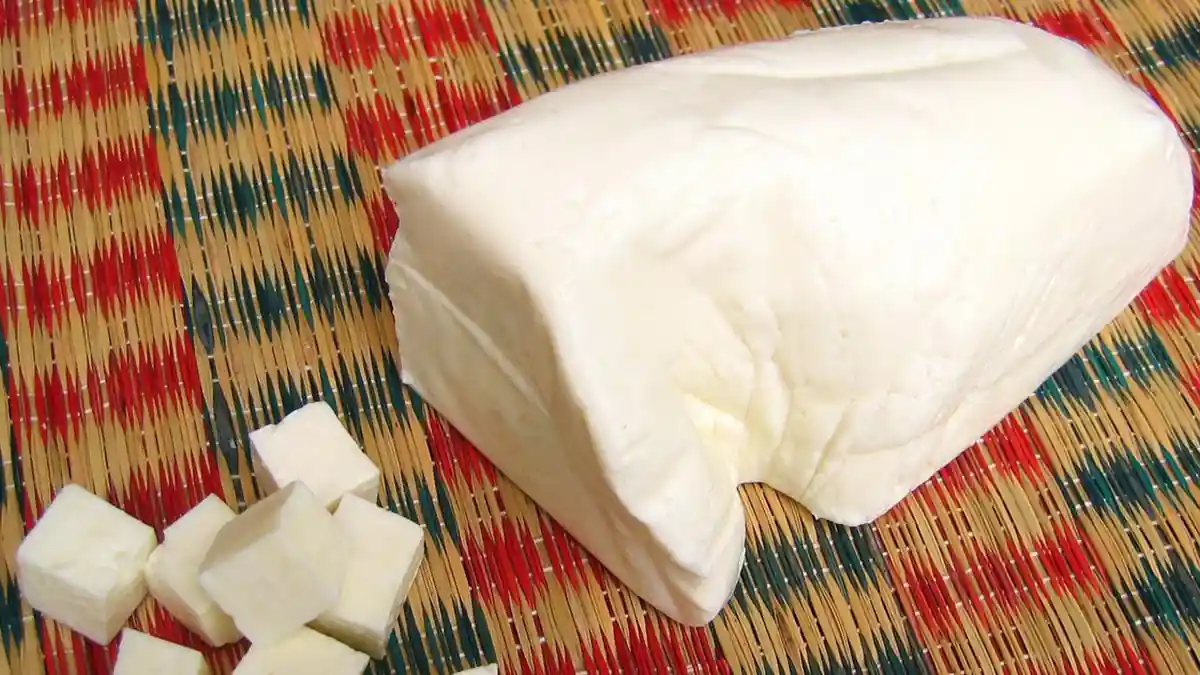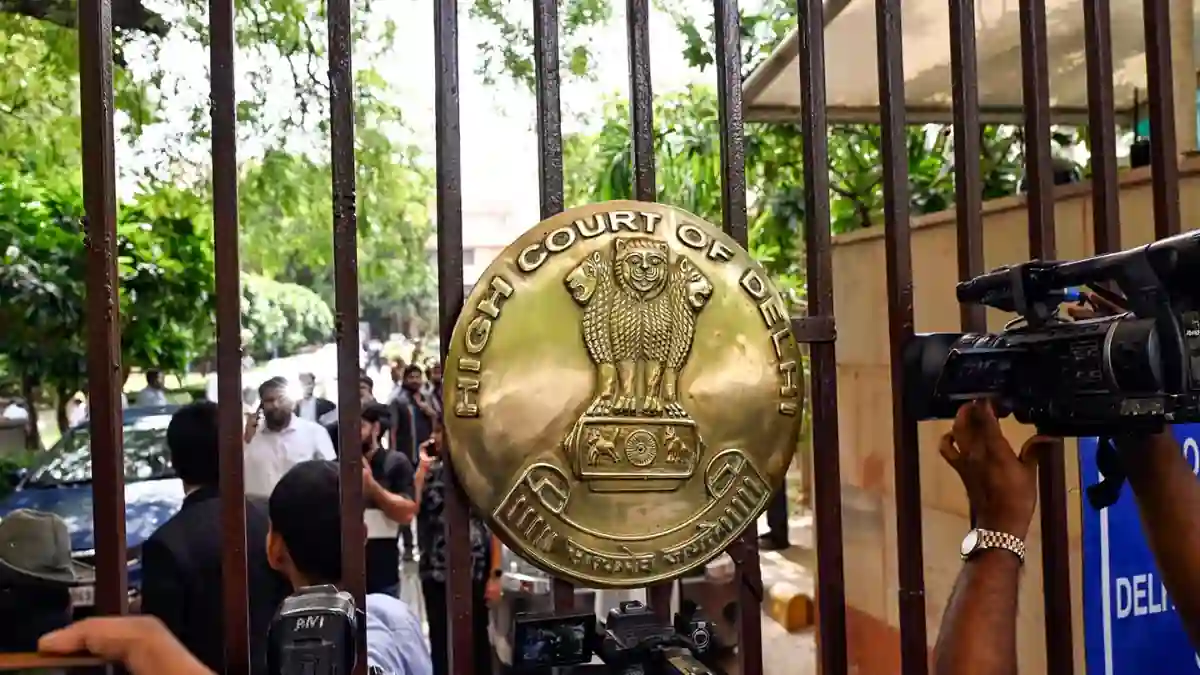
The FSSAI has placed a ban on the sale of Nestle India’s "Low Fat Dairy Whitener" immediately, as a sample taken from a leading Delhi hotel has been declared as "unsafe" and "sub-standard."
The authority reported that the sample had been tested at the laboratory from the premises of Bharat Hotels Ltd, which runs The Lalit in Connaught Place, New Delhi. The laboratory test has revealed that the food item did not meet the criteria laid down by the Food Safety and Standards (FSS) Act, 2006.
A recent post on their social media page revealed that the sample of "Low Fat Dairy Whitener" manufactured by Nestlé was declared unsafe and substandard through a laboratory report by the food analyst.
The regulator added that this was a sign of non-compliance to the provisions of the Food Safety and Standards Act and a copy of the laboratory analysis report had been shared with Nestlé India, the food business operator in question.
Along with the reporting of the test results, the Food Safety and Standards Authority of India (FSSAI) instructed Nestle to discontinue the sale of this substandard food product without any delay.
The regulator has not revealed what contamination or quality problem was responsible for this product being deemed unsuitable and substandard.
The Tuesday order comes just weeks after FSSAI launched an independent inquiry into the baby foods of Nestle India.
In September, the FSSAI had launched a legal case against the firm on the basis of formulation concerns and promotional claims made on three infant nutrition formulas—Infant Nutrition, NAN Excella, and Lactogen. One product failed to meet the required standard of biotin under the Food Safety and Standards (Foods for Infant Nutrition) Regulations, 2020, following referral to a laboratory that had verified the initial report.
Non-compliant promotional claims on the labels and advertisements of the company's products had also been highlighted by the FSSAI. In particular, "5 HMOs" (human milk oligosaccharides) and "easy-to-digest whey" proteins were noted.
Nestle India has stated that its products meet all regulatory requirements.
Regulatory issues have been common for Nestle India previously. In 2015, FSSAI issued a national recall for all the nine variants of Maggi instant noodles available since the level of lead was above the permissible limit. This issue resulted in the temporary ban on the sale of the product in some states like Delhi.
Recently, in 2024, Nestle became a target of an investigation from a Swiss investigative organization on grounds that Nestle added more sugar to its baby foods such as Cerelac that were being sold in India and other developing countries as compared to those being sold in Europe.
FSSAI conducts regular sampling of hotels, restaurants, and other businesses dealing in food on a routine basis for monitoring the products being used commercially and not just those sold in retail packaging.
An adverse finding at a facility such as The Lalit means that the batch being used at that location has failed the test; the order issued by the regulator is against that particular unsafe batch and not all batches of the dairy whitener sold across the country, although the ban on sales has been applied to the product itself.
However, the FSSAI notification doesn’t mention which batch of the dairy whitener has been tested or what was the specific criterion based on which the product has failed to meet the requirement, i.e., if it was microbiological, chemical or composition-related.
There are no indications about how far the ban will go – if it will apply only to the mentioned batch or it is going to be wider.
In all probability, Nestle India will also react to this lab test conducted by the FSSAI. The company may dispute the results or may take remedial measures, in line with the trends shown by the company previously in similar conflicts with the regulator.
FSSAI’s adjudication of other baby food cases will also continue, in accordance with the trend seen till the time of this latest verdict of the regulator.