Iran's Foreign Minister Abbas Araghchi stood up at the UN General Assembly in New York this week and offered something the world's oil markets have been waiting on for months: a seven-day plan to reopen the Strait of Hormuz.
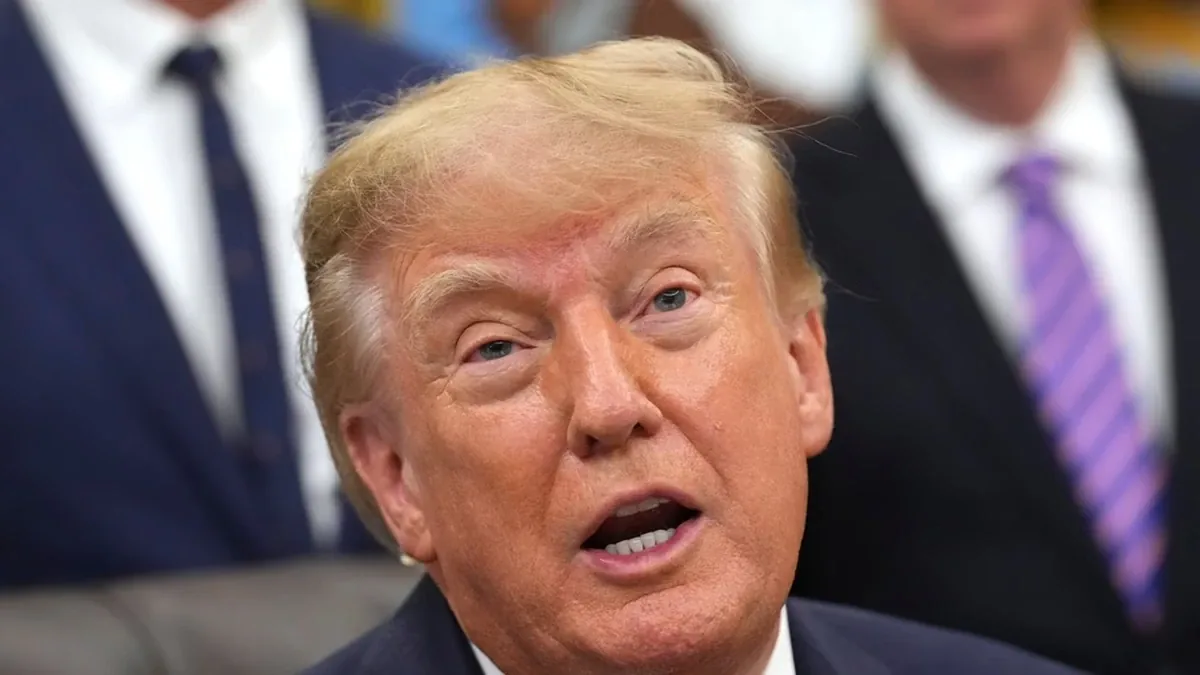
According to the Wall Street Journal, President Trump has already rejected it, telling aides he expects the bombing campaign against Iran to resume once the US midterm elections are out of the way in November.
If that report holds up, it means one of the more serious diplomatic openings since the war began stays on the shelf for at least another few weeks.
The terms, as described by multiple outlets covering the UN sidelines, aren't complicated on paper. Iran would reopen the strait within seven days if the US eases its military pressure, lifts the naval blockade it's had in place on and off since April, and grants a sanctions waiver. Iranian officials have been clear on one point though: nuclear concessions aren't part of the deal.
A senior Iranian official told Reuters the country isn't backing down on that front regardless of what else gets negotiated.
It's worth remembering why the strait matters this much in the first place. Before the war started on February 28, roughly 147 ships a day passed through Hormuz, carrying something like a fifth of the world's oil and gas supply. By this July, that number had cratered to around 22 crossings a day.
Iran has spent much of the year asserting control over the waterway, demanding ships get its permission and follow approved routes, while the US has run an on-again, off-again naval blockade aimed at cutting off Iran's oil income entirely.
The WSJ's reporting on Trump's thinking points to politics as much as strategy.
Ending the war now would presumably ease energy prices heading into November, something that ordinarily helps an incumbent party at the polls.
But accepting Iran's terms would also mean restoring a deal that, per Middle East analyst Ali Vaez, is largely favorable to the Iranians, an outcome that carries its own political risk if it looks like capitulation.
Waiting until after the midterms to resume strikes, if that's really the plan, sidesteps the immediate economic pain of the war showing up right before voters go to the polls, while keeping the option to escalate again once the election's behind him.
None of this has been confirmed by the White House directly. It's still sourced to the Journal's reporting on internal conversations, not a public statement.
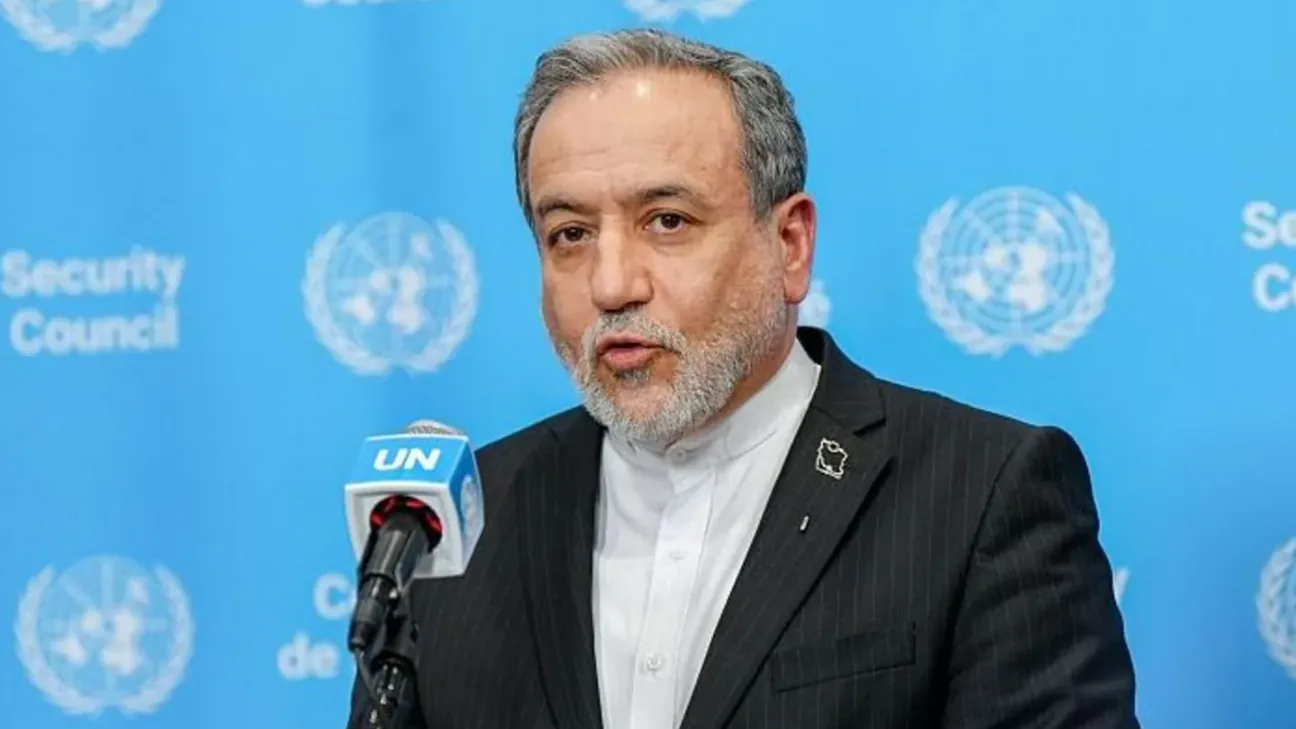
Photo: Bloomberg By Getty Images
While New York diplomacy grinds along, the fighting hasn't stopped elsewhere.
Houthi forces have stepped up attacks on Saudi Arabia, prompting Saudi Arabia, Turkey and Pakistan to call an urgent high-level meeting under their joint defense pact to figure out how to respond.
Tehran, notably, has moved to distance itself from the Houthis' latest actions rather than claim any credit for them, a sign that Iran may be trying to keep its UN diplomacy from getting tangled up with a fight it doesn't fully control.
Markets have been reacting in real time to every twist.
Oil prices dropped on reports the Hormuz standoff might be easing, then defense contractor stocks like Lockheed Martin, RTX and Boeing slid on the same news, the market's shorthand way of pricing in a war that might actually be winding down.
Whether that optimism survives Trump's reported rejection is an open question as of this week.
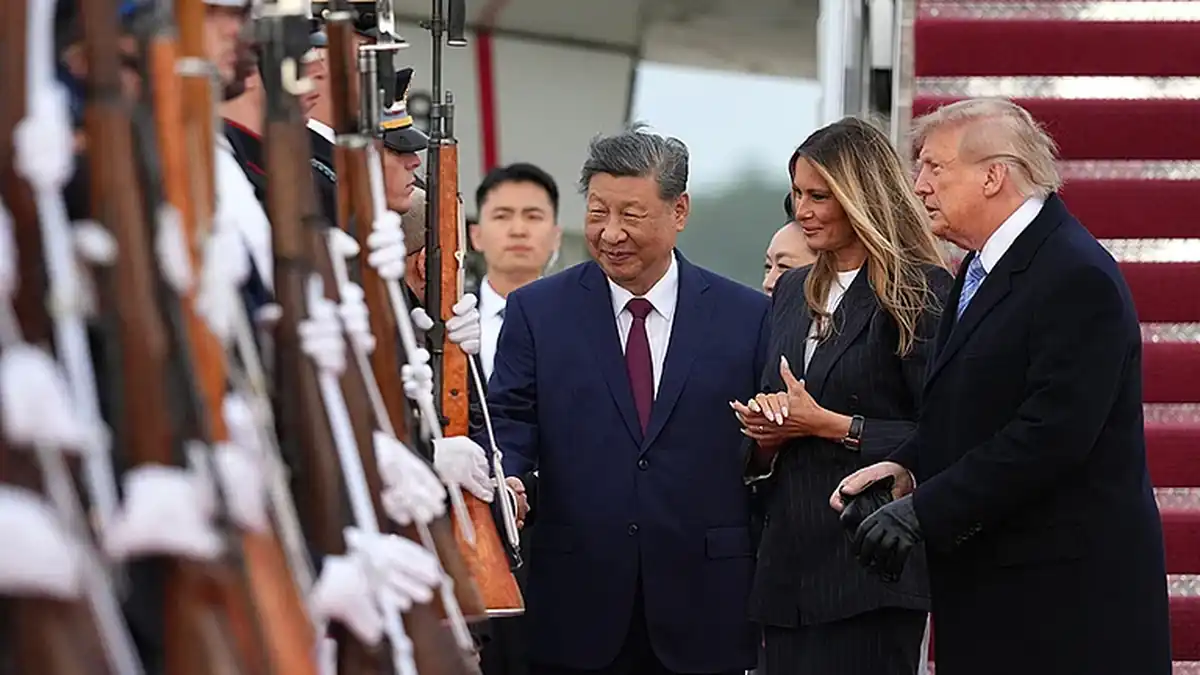
Trump and Xi Jinping reportedly discussed the Middle East war directly during their own summit this week, adding yet another thread to an already tangled diplomatic picture.
For now, Iran's seven-day clock is ticking with no American answer attached to it, and the strait most of the world's oil used to move through remains largely shut. Pakistan's prime minister said over the weekend that efforts to resolve the broader conflict were continuing regardless.
What that resolution actually looks like, and when, is still anyone's guess.