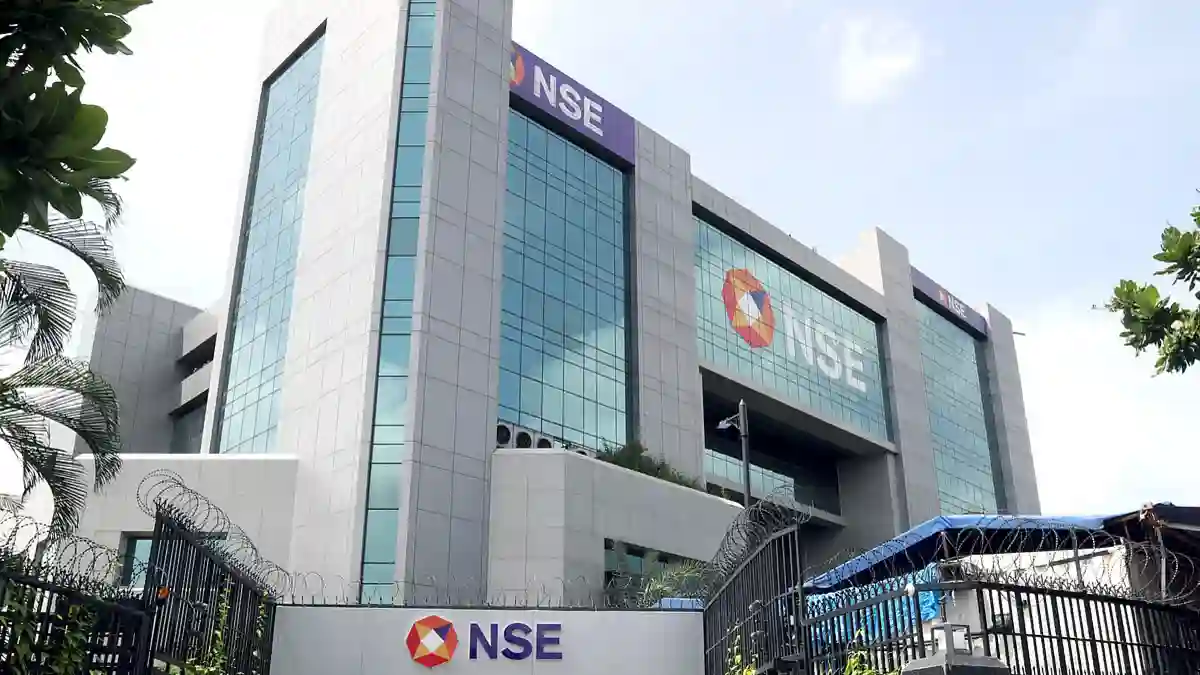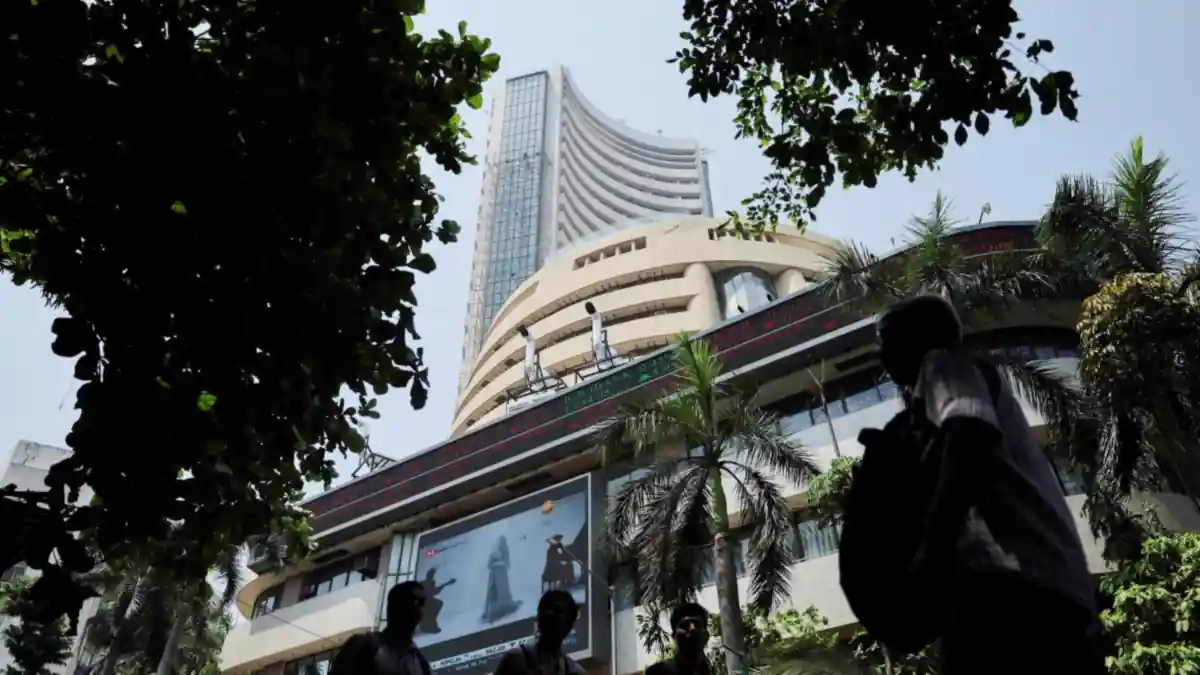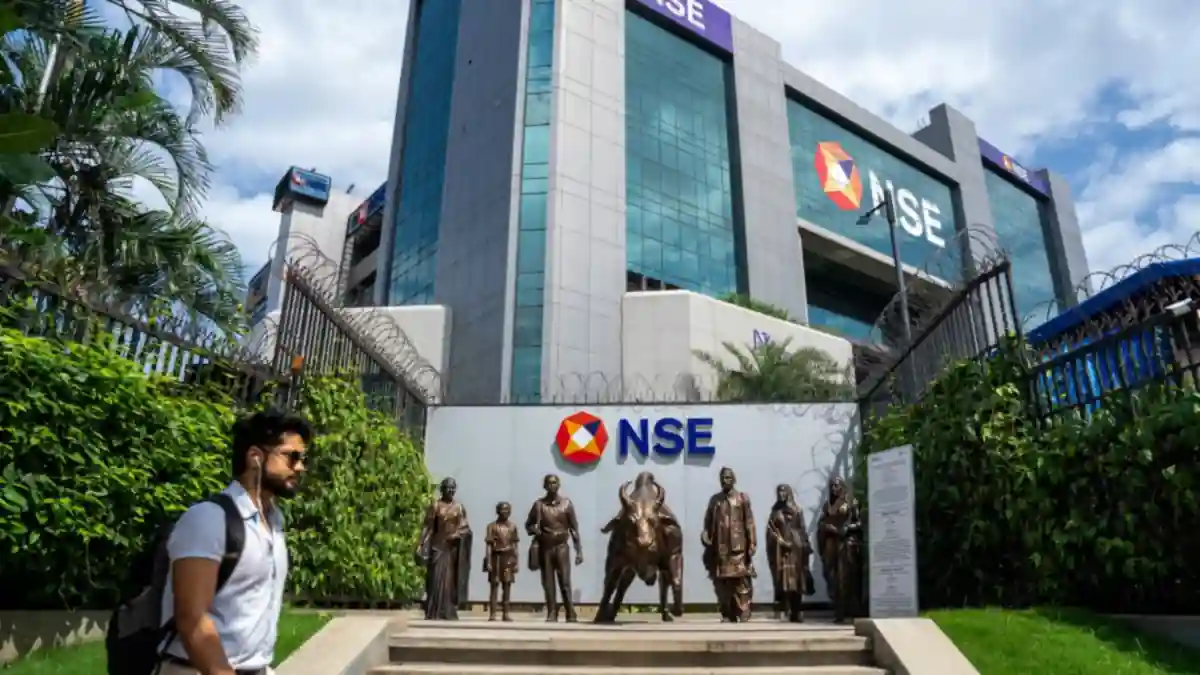
The shares of National Stock Exchange of India Limited started their trading journey on the BSE on Thursday, September 24, 2026. The stock is listed at ₹1,800 per share, a 0.84 percent premium over the issue price of ₹1,785.
This listing came after a long wait of close to a decade, as the listing process of the company had been delayed due to regulatory issues, especially in connection with the co-location problem, which was a major roadblock to the company listing in the stock market.
Although the stock opened flat on the BSE, it soon attracted buyers and reached a high of ₹1,878, representing a rise of 4.4 percent from the issue price. After making a high, there was some profit booking, which brought down the price of the shares to ₹1,865.40. The market capitalization of NSE stands at around ₹459,137 crore.
The total amount of the ₹22,561.57 crore issue was raised through an OFS (offer for sale), which means that the shareholders were selling their shares and NSE did not get any revenue from the listing of the shares.
The sellers of the OFS were numerous institutional investors, including the State Bank of India, SBI Capital Markets, New India Assurance Company, Canada Pension Plan Investment Board, Aranda Investments of Mauritius, Bank of Baroda, Stock Holding Corporation of India, United India Insurance Company, MS Strategic of Mauritius, and General Insurance Corporation of India.
The public offer of the issue, whose share prices were quoted in the range of ₹1,700 to ₹1,785 with the last price fixed on the upper level, received bids for 50.58 crore shares against 8.86 crore shares offered, resulting in the subscription ratio of 5.71 times.
The issue managed to outpace LIC's ₹21,000 crore issue from 2022 and became the second-largest IPO in Indian history, second only to Hyundai Motor India.
Market pundits had warned ahead of the listing that market sentiments would play an important role in the performance of NSE stocks on their day of listing. Analysts had highlighted the rise in the US 10-year bond yield to above 5 percent, which was the first time this had been seen since more than two decades ago.
This was usually taken as a negative signal in relation to valuations of global equities and thus dampened market expectations of another blockbuster debut similar to previous listings of stock exchanges.
It turned out that market warnings were correct since the listing gains of around 1 percent made the performance of the stock very different from the performance of BSE stocks during its listing several years back when there was a 35 percent rise over the issue price in one day. Despite that, the stock closed at ₹1,817 at the end of its first day of trade, which was almost 1.8 percent over the issue price.
In addition to the listing on the BSE, NSE shares were also offered to trade on the Metropolitan Stock Exchange of India under the category of "Permitted to Trade," where securities do not enter into any listing agreement and hence have fewer disclosure requirements compared to fully listed securities.
The dual listing facility was considered more of a technical requirement owing to the overwhelming presence of NSE in India's exchange environment and not a key determinant of trading activity on the day of its debut.
It is interesting to note that the very same day when NSE went public, the market witnessed a weak performance, with the Sensex dropping by 1,247.71 points and Nifty 50 declining by 383.70 points as a result of increasing crude oil prices and bond yields.
Resulting in the fall of shares of Reliance Industries and banking and financial firms. However, the listed shares of NSE went against the overall market trends and closed up by about 2 percent.