In 1968 Andy Warhol made a prediction that has turned out to be very true: "In the future everyone will be world-famous for 15 minutes." He meant that mass media was changing the way people became famous. Warhol was commenting on how celebrity was becoming common and less special. He probably didn't imagine media platforms like Instagram. If he had, he might have changed his prediction because the internet didn't just give everyone 15 minutes of fame. It gave everyone a chance to be famous.
For most of the century becoming a media personality was hard. You needed a TV station, a newspaper or a music label. The people who became famous looked similar: they were from cities, educated and English-speaking. Short-form videos on Instagram and YouTube changed everything.
Algorithms on these platforms helped people discover content no matter who created it. A video from someone with no followers can reach a million people if the thousand people who see it like it. This has helped people from regions with different interests and who speak different languages find audiences.
There is an Instagram account called little_ordinary_thingss. A housewife from a village started it. She had never been to a cinema before. She discovered world cinema through the internet. She recommends art films and books and talks about them in a way without using special equipment or trying to be pretentious. She just shares what she loves. This would not have been possible before. The barriers were too high for such niche content to reach any audience. Instagram made her discoverable, not famous.
That distinction matters. Warhol's 15 minutes implied that fame happens to someone. The creator economy offers something better: the ability to build something real over time for people who actually want it.
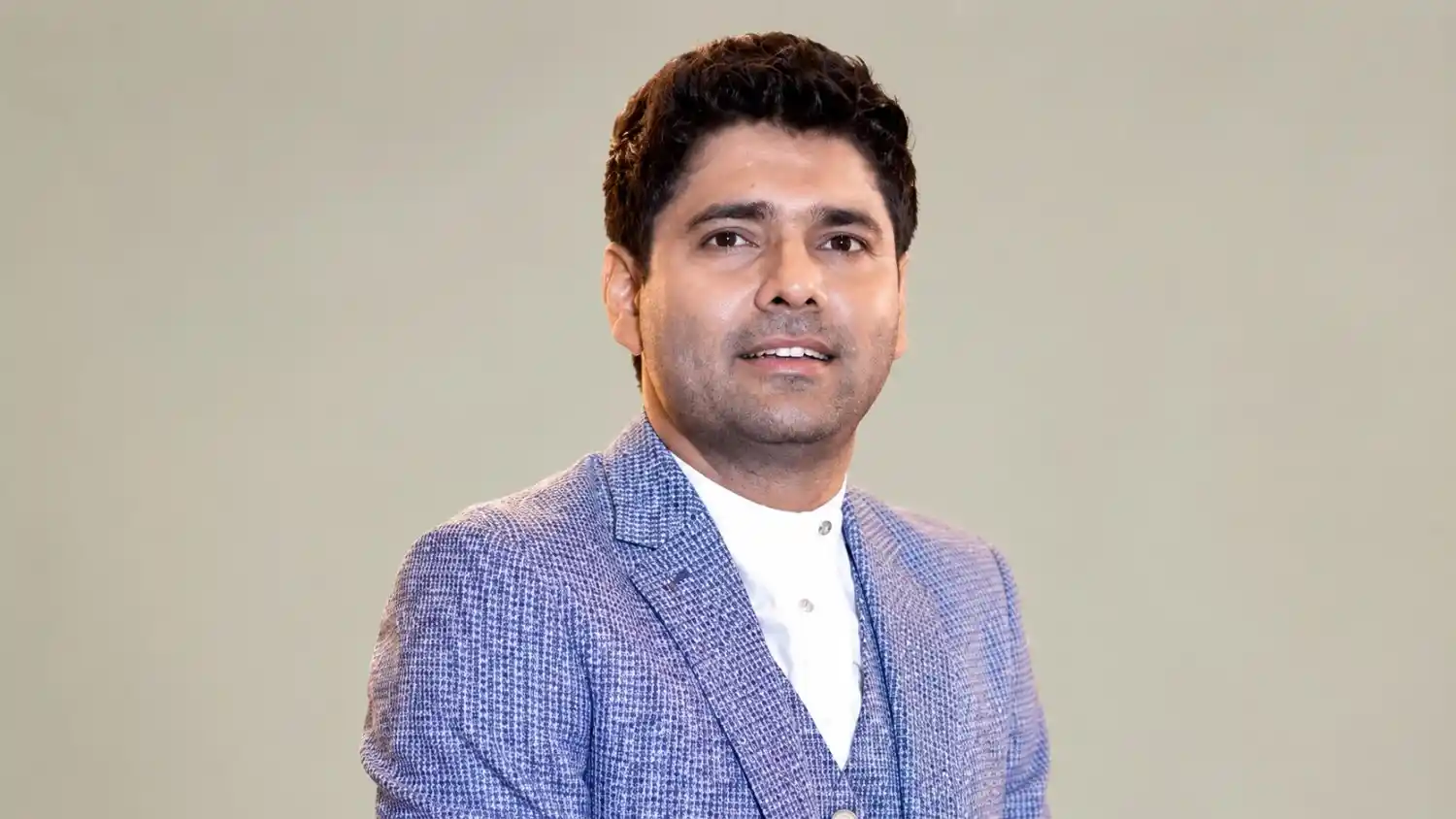
Then there is Puneet Superstar, a content creator from Bihar. His rise is one of the stories the algorithm has produced. Puneet grew an audience by depicting representations of middle-class life and doing social commentary on what he calls "mansion people". He became famous not because of what he made. Because of what he refused to pretend to be. While other creators styled their hair imitating a life they didn't have, Puneet simply showed up as himself. Loud, unfiltered, unbothered. The internet made him a meme. Then the meme outlasted the joke.
He became, accidentally, a cultural object people engaged with seriously precisely because he never tried to be serious.
Puneet is Warhol's prophecy made real: famous, visible, widely shared. Unlike Puja, his fame is built on the internet's appetite for irony, not sincerity of craft.
The algorithms that surfaced Puja’s film recommendations are also very good at creating compulsive consumption. The infinite scroll, that feeling of not knowing what the next video will bring, is one of the effective attention-capture systems ever designed. It works on everyone equally.
What has surprised observers is who it has captured intensely. The early assumption was that short-form video was a person's medium. That has not held. Even people at retirement age in India, where cheap data brought millions of first-generation internet users online, have become some of the most engaged daily consumers of Reels and Shorts.
Family counsellors now regularly encounter adult children worried about a parent spending eight or ten hours a day lost in the scroll.
These older users combine two things that make them particularly vulnerable: unstructured time and less scepticism toward video as a medium. Television trained a generation to trust what it saw on screen. Short-form video inherits that trust without earning it.
Here is what the Warhol prophecy gets wrong: not everyone will be famous for 15 minutes. Not even close. The tools are equal. The opportunity is real. Outcomes are not distributed evenly.
The creator economy has replaced one set of gatekeepers with another: algorithms, brand teams and the collective attention of millions. Getting through the gates requires something the old gates never asked for: genuine, consistent, sustainable engagement.
The creator economy is. Neither the utopia its champions describe nor the wasteland its critics fear. It has opened doors for people who had none while creating forms of precarity, addiction and manipulation.
Warhol was right that fame would be more common. He was wrong that it would be equal. What the creator economy has actually produced is an audition. Anyone can walk onto the stage. The audience will only stay for the people who give them a reason to.
The housewife who discovered world cinema through a smartphone. The man from Bihar who became a meme by refusing to perform a life he didn't have. Both found audiences because they were genuine.
That is the revolution, inside the louder one. Not that everyone gets to be famous. That for the first time sincerity has a distribution network.