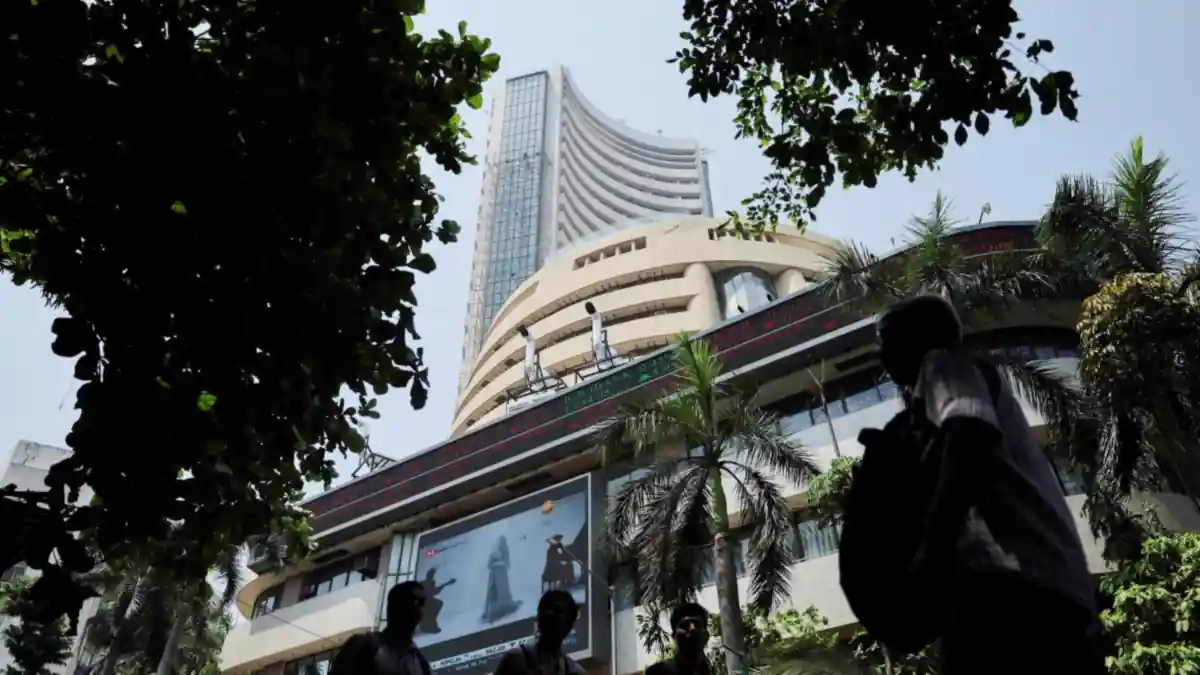
The Sensex Index of Bombay Stock Exchange skyrocketed by 564 points on September 21, 2026, ending its best day of the week and concluding its painful six-week winning streak which has been its longest since 2020 owing to the favorable impact of lower crude oil prices, strong rupee and foreign portfolio investors’ buying activity.
Indian stocks made a positive start to the fresh week of trading with the Sensex rising by 564.03 points or 0.76 percent to end at 74,858.99 while the Nifty 50 rose by 67.90 points or 0.29 percent to finish at 23,414.30.
During intraday trading, the Sensex saw a stronger performance as it touched a high of 74,952.62 before settling back a bit from the highs into the close. Shares of the pharma, FMCG, and real estate sectors were the leading performers in the session.
The rise was timely in view of the Indian equities having recorded losses for six successive weeks, which is the longest losing run in almost six years for the markets.
As per the analysts at SBI Securities, 23,520-23,550 was expected to act as the next important resistance region for the index, with any breakout above this zone likely to extend the rally further to 23,700 in the near term, while a move below the 23,300 support zone could open up the prospects of fresh selling.
The extended downslide before Monday's recovery is because of rising prices of crude oil, continuous outflow of foreign institutional investment, and global interest rate fears.
The price of Brent crude had gone up past the $100 a barrel mark owing to the increase in tension in West Asia and the Red Sea, where there were fresh attacks on oil tankers.
This supply risk narrative had been playing on the minds of investors for almost the entire month of September as well, as it added to their fear of high costs.
Another blow to Sensex was coming from foreign institutional investors, who had withdrawn ₹8,000 crore from the Indian equity market in September alone, having been continuously selling after a brief spell of net buys in the months of July and August.
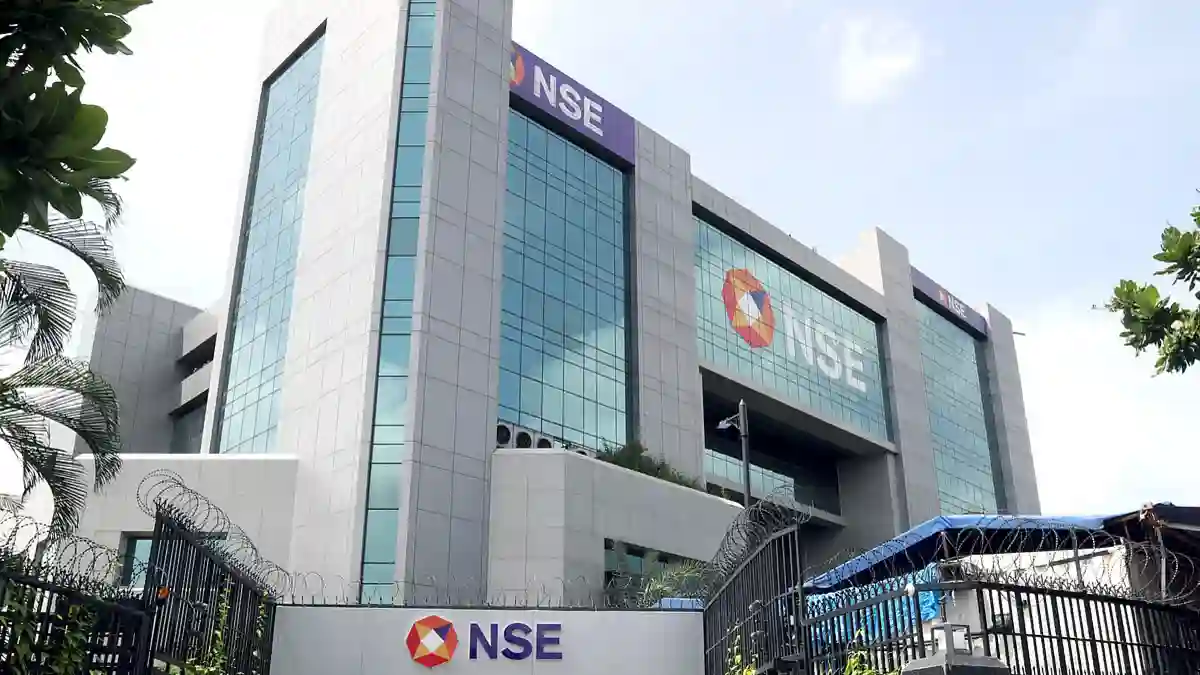
In addition to this, another governance crisis in the Tata Group was affecting its companies' shares. The secondary market liquidity was also affected owing to an IPO worth ₹22,569 crore on the NSE.
The turning tide came towards the end of the losing streak as the prices of crude oil started declining from their highs. With the end of the sixth consecutive week of losses, the Sensex found some stability as it ended with losses of only 19 points, or 0.03%, to close at 74,294.96, much better than the bigger declines that were being witnessed earlier in the process of the correction.
The rising hopes of talks between the United States and China as well as the prospects of dialogue between the United States and Iran at the UN helped soothe nerves going into the new week.
Foreign institutional investors emerged as net buyers as the new week began as they purchased equity worth about ₹600 crore.
This, along with the fall in crude oil prices and the appreciation of the rupee, gave rise to Monday’s big gains, which ended the losing streak.
While the positive move was undoubtedly good news, market analysts said the recovery was very fragile. Even though oil prices were lower than their previous highs, they still stayed significantly higher than the $100-a-barrel mark, and the global rate concerns still hovered above the outlook of India’s stock market.
Most importantly, the mid-cap and small-cap stocks could not follow the rally of the Sensex on Monday. This may be a signal that the investors prefer certain large-cap stocks after the pullback, and the trend has to change for the recovery to become solid.
Additionally, one can see that the index lags behind its all-time high level achieved several months ago. The current level of the index stands around 13% below its record high of 85,836.12 reached in September 2024.