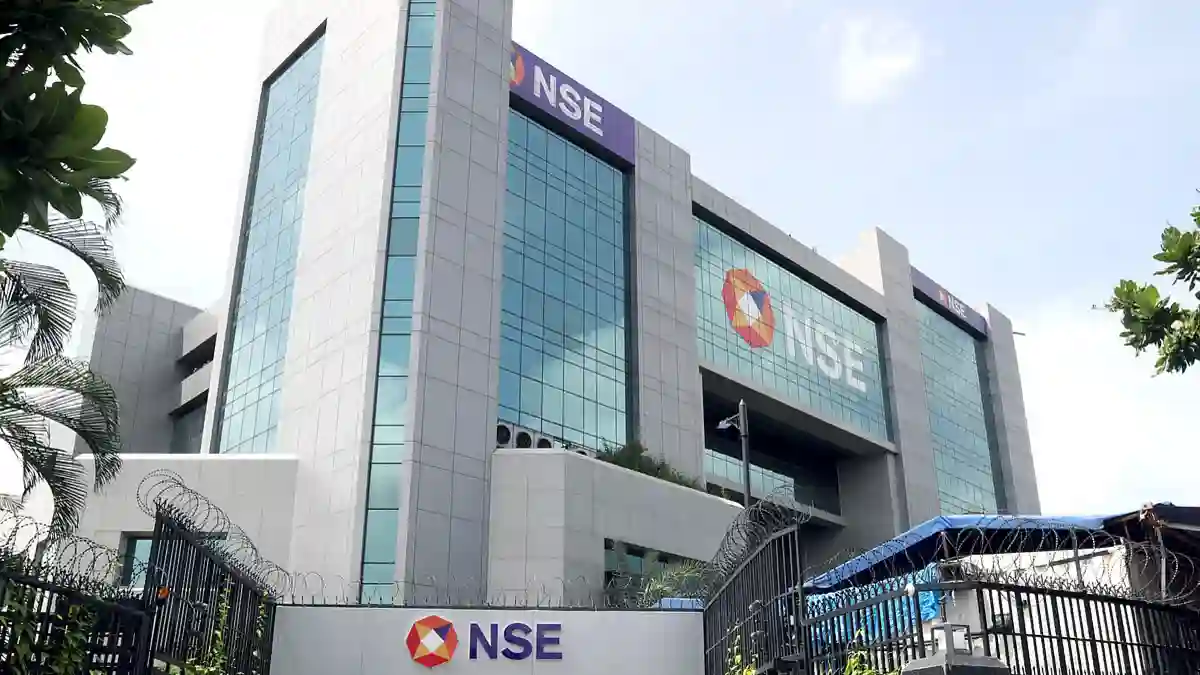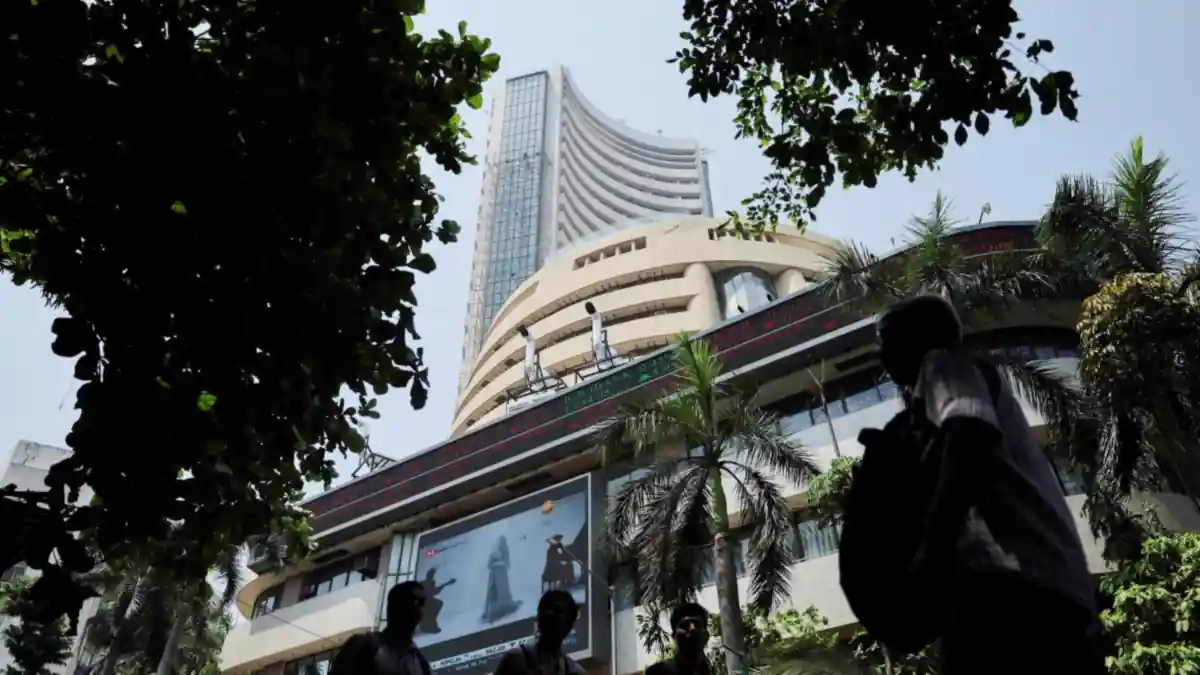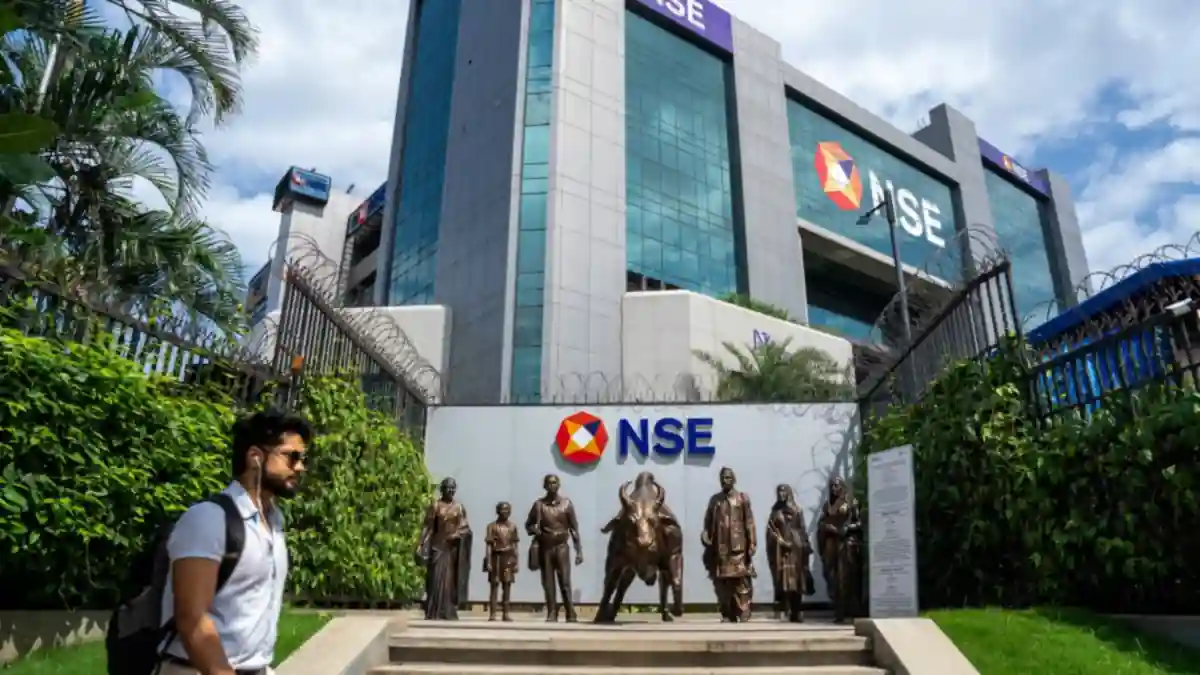
The Indian stock markets started an eventful week on Monday, September 28, 2026, with both the benchmark indices ending at a significant loss for the day. While the BSE Sensex ended the day lower by 1,124.02 points, or 1.52 percent, at 72,771.72, the NSE Nifty 50 Index declined by 360.25 points, or 1.56 percent, to reach 22,780.25.
Both the indices ended the day below their lows of late morning sessions when the Sensex was recorded at 72,855.76 and Nifty at 22,819.65, respectively, which shows that there has been increased pressure from the sell side in the latter part of the day.
Tata Motors Passenger Vehicles, Adani Enterprises Ltd., and Jio Financial Services were the big losers among the Nifty 50 stocks, while the Nifty PSU Bank Index was the biggest underperformer among the sectoral indices, declining by around 3 percent.
Crude oil became the obvious source of pressures on the markets. The Brent was trading at $106.7 per barrel in the morning session, bringing back concerns about imported inflation and higher interest rates. India imports the majority of its oil, and a prolonged growth in its prices will have a negative impact on the currency, companies' margins, and fiscal situation all at once.
The pressure becomes even greater for the central bank of the country as the increase in the cost of energy means the persistence of inflation and thus no opportunities for rate reductions.
Markets immediately start pricing such risks, which is exactly what happened on Monday as investors tried to estimate how long will the high interest rates stay in place.
There were other sources of the pressure apart from the increased price of oil. The US 10-year Treasury yield closed Friday's session at 5.17 percent, providing additional returns for the investments in quite safe instruments, which makes emerging market stocks less attractive for investors.
As global yields go up, foreign investors reduce their stakes in emerging markets, like India.
Higher yields also affect the valuation of the stock market.
The price of a company's stock depends on the earnings expected and the multiple at which they are priced. With higher interest rates, the future earnings will be discounted more; hence, people would not pay as much for the earnings now as they did before.
High-priced stocks that earn from profits many years ahead would be affected, and even fundamentally strong firms could end up devalued.
This sell-off was not limited to big firms only. The Nifty Midcap 100 fell by approximately 1.63 percent, while the Nifty Smallcap 100 lost about 1.8 percent. This indicates that losses were incurred in the broader market just like in the main indices.
Such market falls in different market capitalizations usually indicate macroeconomic correction, where investors take risks in general and not by rotating sectors.
In contrast to last week's relief, the Sensex increased by 564 points on September 21, closing at 74,858.99, following easing of crude and buying by foreigners. However, the index had fallen back to 73,895.74 by September 25, Friday, and the loss on Monday washed out the gains.
However, the Monday crash did not start the decline. By September 25, the Nifty stood at 23,140.50, having decreased from 24,334.55 recorded on August 25, showing a fall of 4.91 percent. The Sensex fell to 73,895.74 from 77,656.09 during the same period, indicating a decrease of 4.84 percent. Both indexes had seen seven straight weeks of decline prior to Monday's session.
This indicates the gradual repricing in the market as oil prices, bond yields, and geopolitical risks worked against the markets, and nothing much has been seen yet as a way out.
The large primary market issues were also taking away capital from investors, while liquidity had become less in the secondary market due to weak sentiment.
There are three main points for consideration in the coming days. The first one is, will the oil prices fall below the $100 per barrel mark? Second, whether the US bond yields will stabilize to reduce the pressure on foreign investments in Indian equities.
Third, the foreign institutional investors' performance, as it has become a major factor affecting Sensex and Nifty in the last several weeks.
The technical experts will observe how Nifty performs around these levels. Markets often perform small bounces after sharp falls; however, such moves tend to weaken and reverse without changes in the fundamental factors.