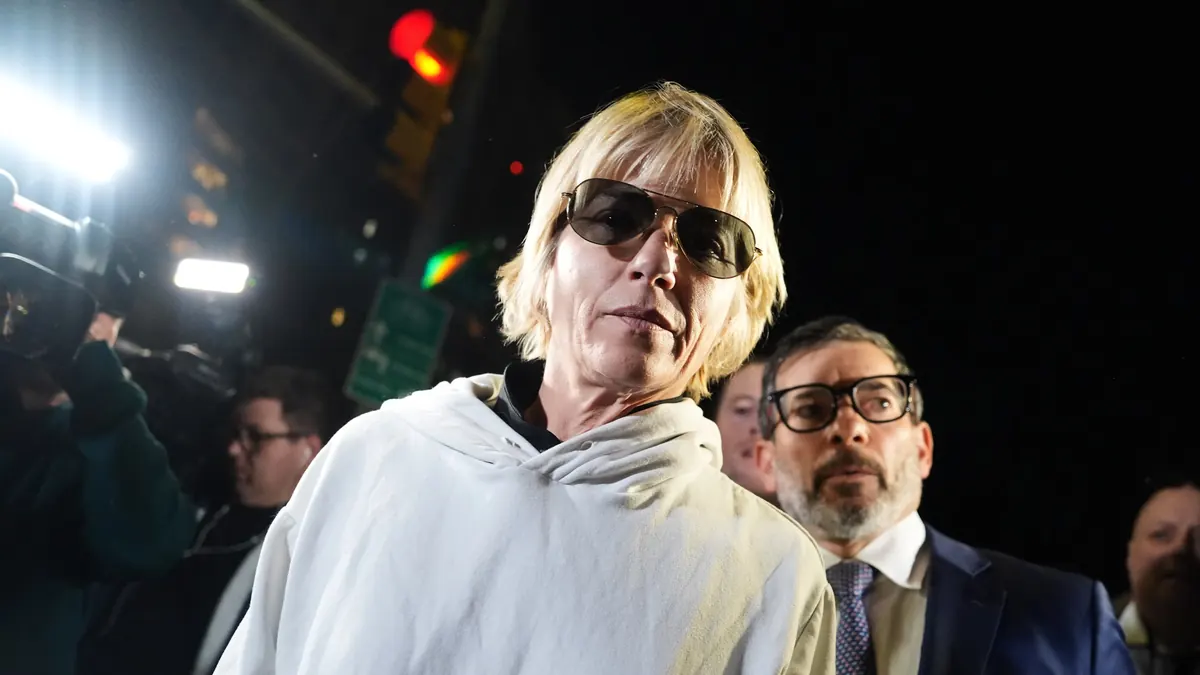
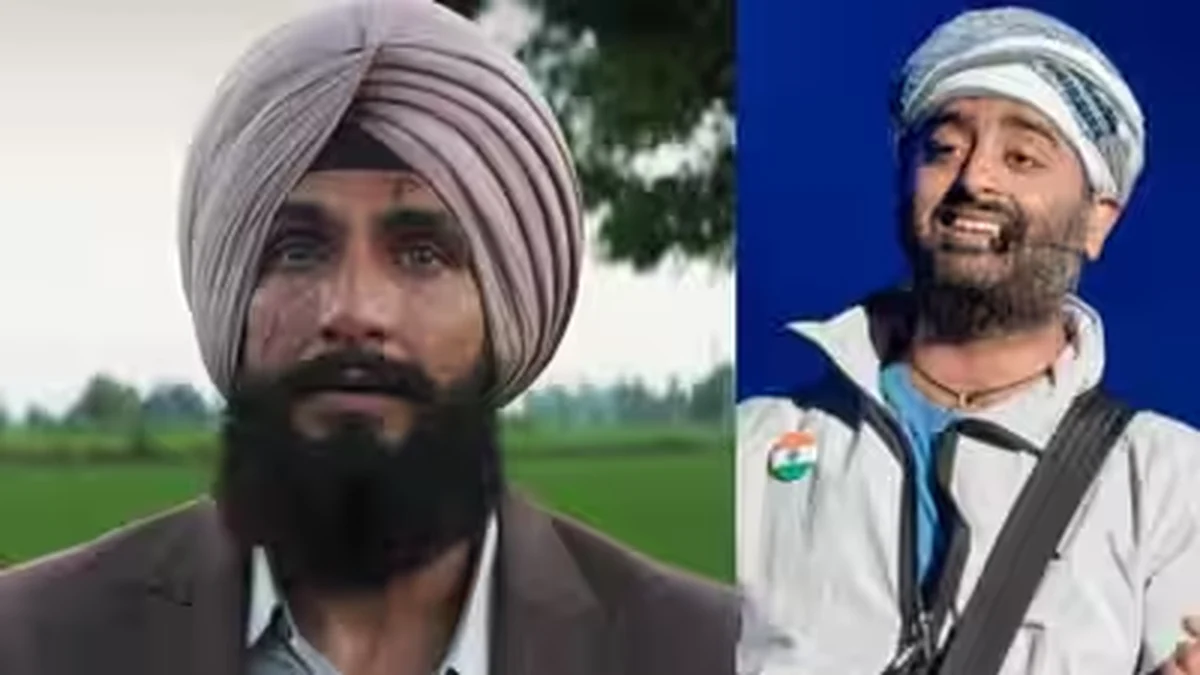
Samay Raina walked into the Supreme Court on Tuesday probably hoping for another extension. He walked out with a ₹3 lakh bill and a public dressing-down that even by Indian courtroom standards was unusually blunt.
The bench of Chief Justice Surya Kant, Justice Joymalya Bagchi and Justice V Mohana didn't mince words. "We have no reason to doubt that Samay Raina has taken the Court for a ride," the CJI observed, adding that the comedian was "in brazen violation of statements/undertakings" he himself had given the court months earlier.
Rewind to November last year. Raina, along with fellow comedians Vipul Goyal, Balraj Paramjeet Singh Ghai, Sonali Thakkar and Nishant Jagadish Tanwar, had assured the court they'd make amends for jokes mocking people with disabilities jokes made on 'India's Got Latent' that had triggered outrage, FIRs across states, and eventually landed all five in front of the country's top judges. The undertaking was fairly specific: organise events showcasing the achievements of persons with disabilities, and help raise money for those battling rare diseases, particularly Spinal Muscular Atrophy.
It sounded reasonable. Even generous, given the alternative was straightforward penal action.
Except, according to the court, none of it actually happened.
Senior Advocate Aparajita Singh, appearing for the Cure SMA Foundation of India, told the bench that Raina hadn't so much as reached out to the Foundation or to a single SMA patient. Not a call, not a visit, nothing. When his side tried to explain away the delay by claiming a compliance affidavit had already been filed, the court checked the record and found nothing there either.
"The misconduct is sought to be compounded by stating that compliance affidavit was filed yesterday, however, no affidavit has been filed," the bench noted dryly.
Singh didn't hold back either. She questioned what kind of example Raina was setting for young audiences, telling the court she "shuddered to think" he was seen as an icon by the youth. Solicitor General Tushar Mehta, appearing separately, responded that India's youth "has better icons." The CJI's own summary was even sharper he called them "self-proclaimed icons."
Then came a small but telling detail from Mehta. Raina, he informed the court, had recently launched Season 2 of India's Got Latent and opened the new season by hanging nimbu-mirchi, the traditional lemon-and-chilli charm meant to ward off evil eye and bad luck. Mehta suggested the gesture, while unnamed, was clearly aimed at someone. He stopped short of spelling it out, but the implication landed anyway: a comedian facing court censure for insensitivity, ironically warding off ill fortune while ignoring the very order meant to correct that insensitivity.
Mehta also flagged something else the affidavits filed by the comedians still used the phrase "disabled persons," when the more appropriate and court-preferred term, he pointed out, is "specially abled persons".
The bench's initial instinct was to slap a cost of ₹10 lakh on the group. That figure was later moderated first to ₹5 lakh, then finally settled at ₹3 lakh each, applied uniformly across all five comedians, not just Raina. Small mercy, perhaps, but the court made clear this wasn't leniency born of sympathy.
CJI Surya Kant's oral remarks carried more weight than the fine itself. "In public life, the more you respect others, the more respect you earn. You don't humiliate people," he said. When counsel for the comedians tried to argue that skipping the SMA Foundation outreach wasn't born of ego, the CJI wasn't having it: "We thought you are youngsters belonging to respectable families," he said, before adding a line that's likely to follow Raina around for a while "They think sitting outside the country they are beyond jurisdiction. Let them suffer now. If this is not arrogance, then we have to change Oxford dictionary also."
The court has given Raina and the others two weeks to deposit the ₹3 lakh cost, and 15 days to file an actual, verifiable compliance affidavit this time. Failure to do so, the bench warned, will invite coercive action a phrase that in Supreme Court parlance rarely stays hypothetical for long.
The case, formally titled Cure SMA Foundation of India v. Union of India & Ors., continues.