According to maritime analytics firm Kpler, the United States has imposed a blockade on Iran’s ports and is disrupting its oil operations, preventing oil exports from the country. However, the U.S. has not yet caused any damage to Iran’s infrastructure.
The United States Central Command (CENTCOM) announced last night that, as part of the U.S. naval blockade in Iran, 31 ships were ordered to return to Iran. In a post on X, CENTCOM stated that these vessels were carrying oil from Iran. Taking action, the U.S. seized an Iranian ship in the Gulf of Oman and also inspected another vessel in the Indian Ocean.
Just recently, Donald Trump extended the ceasefire, but the United States will continue its blockade. The U.S. has completely blockaded Iran’s ports, and due to this, no ships are able to leave Iran. Since Iran primarily exports oil, the blockade is heavily affecting its exports. China is the most impacted, as it is the largest importer of Iranian oil.
According to data from Kpler, even after the U.S. blockade, many ships are still present in loading zones at Iranian ports, and Iranian crude oil is continuing to flow to China. Despite the blockade, Iran’s oil exports to China have remained steady.
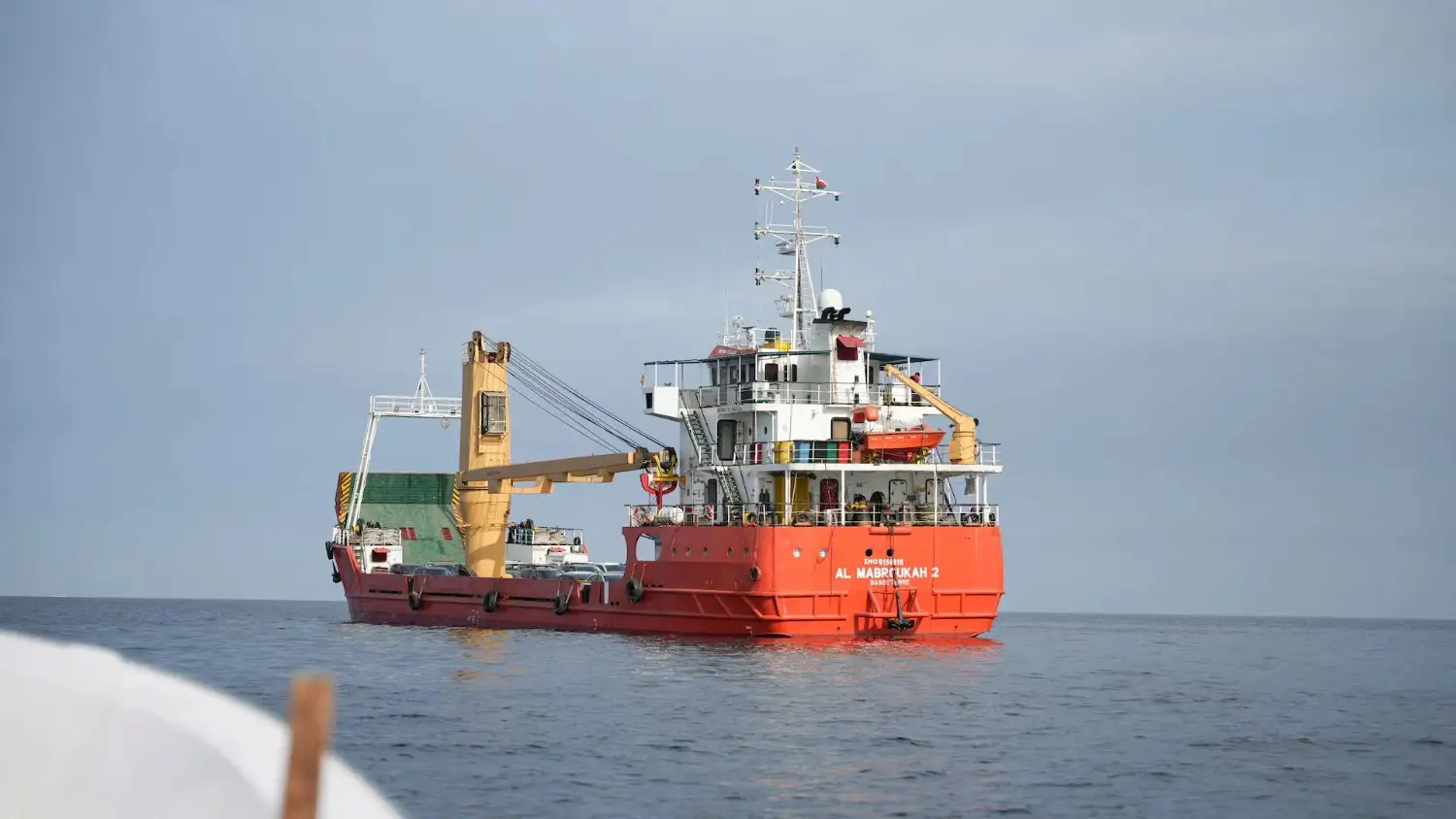
Photo: @REUTERS
Some reports indicate that in the first half of April, Iran exported around 985,000 barrels per day of crude oil to China. According to Kpler, there has been no significant disruption so far.
According to a report by Kpler, one of Iran’s oil export terminals does not rely on the Strait of Hormuz for shipments. Oil storage at the terminal has reached a record high of 5.8 million barrels.
Tankers loaded with oil can bypass the Strait of Hormuz and directly enter the Gulf of Oman, allowing Iran to continue exporting oil—primarily to China.