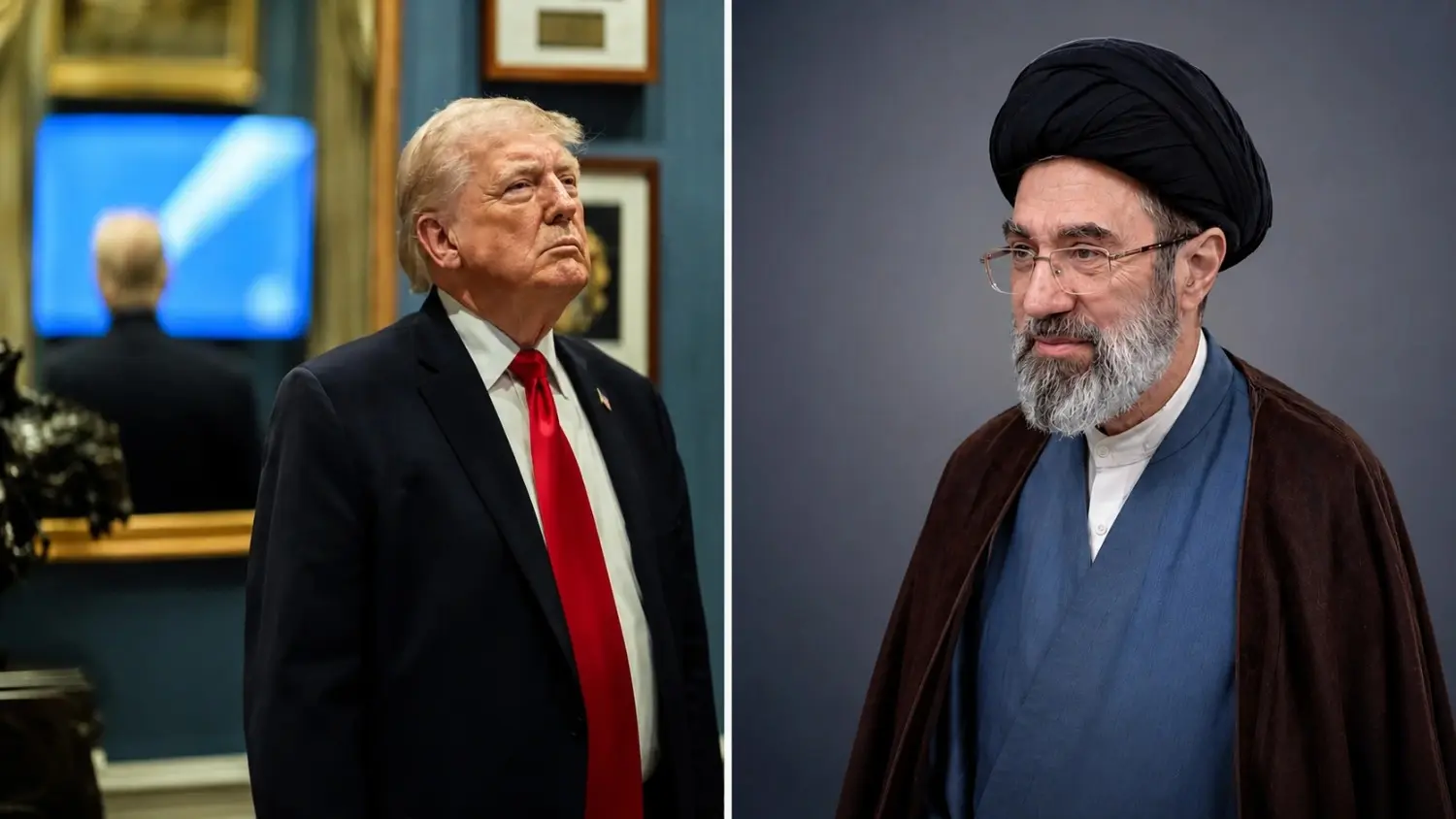
With well over a year of conflict, aggressive threats, military action, and failed diplomacy behind them, the U.S. and Iran have signed a Memorandum of Understanding (MOU), which could signal the start of the end of one of the most volatile conflicts in recent times.
Though not a peace treaty in its own right, since this particular agreement was reached on June 18-19, 2026, this is by far the best chance of attaining peace between the two nations in decades.
Below is all you need to know about this development.
Before you get to see the significance of this particular agreement, there is a need to comprehend the circumstances surrounding the start of the war.
It all started with the attacks by the US and Israel on Iran on February 28, 2026.
This was followed by a time when there was chaos and uncertainty throughout the region. Iran's retaliation included the shutdown of the Strait of Hormuz, the narrow passage of water where about 20% of the world's oil flows through. The result was a world-wide energy crisis, with the cost of fuel sky-rocketing everywhere.
The negotiations between the two nations, however, were nothing new. Negotiations had actually started all the way back in April 2025, through Oman and Italy, but these talks failed. There even existed efforts at cease-fire in April 2026, which both sides violated. However, by June 2026, almost 100 days after the start of the war, they had become ready for compromise.
This document is a 14-point Memorandum of Understanding. This deal can hardly be considered a final peace treaty because the negotiations on the issue are yet to be held; however, it defines the immediate obligations of each party.
The main provisions of the deal include the following.
The United States and Iran have agreed to an "immediate and permanent cessation of military actions on all fronts," which includes Lebanon. Neither of the two can start any form of conflict or military engagement with the other. The sovereignty and territorial integrity of the countries need to be protected.
In terms of the economic aspect, the United States has promised to lift its naval blockade of Iranian ports once the treaty is signed. Full lifting of the blockade is required within 30 days. In return, Iran will allow the reopening of the Strait of Hormuz to commercial traffic in the same manner as before the war.
Finally, the most important point of this agreement is that Iran will not pursue nuclear weapons anymore and will engage in technical negotiations with the United States regarding the future of its nuclear program. This will concern Iran's highly enriched uranium reserves and the ability of the country to enrich uranium. There are 60 days available to negotiate the final deal.
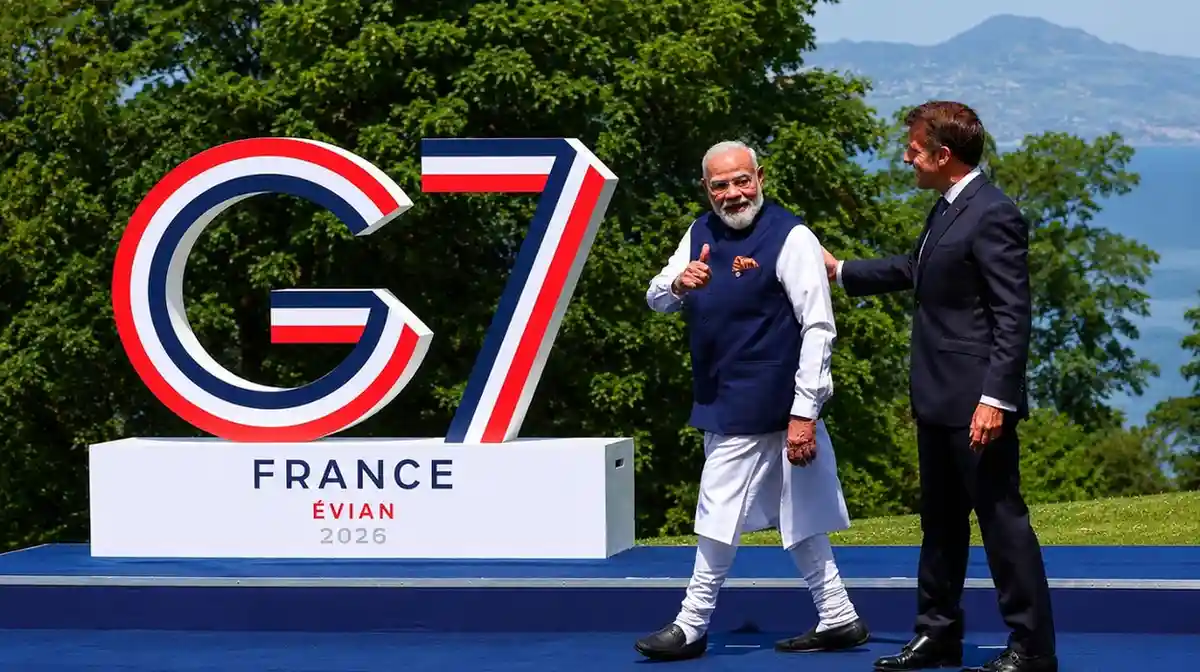
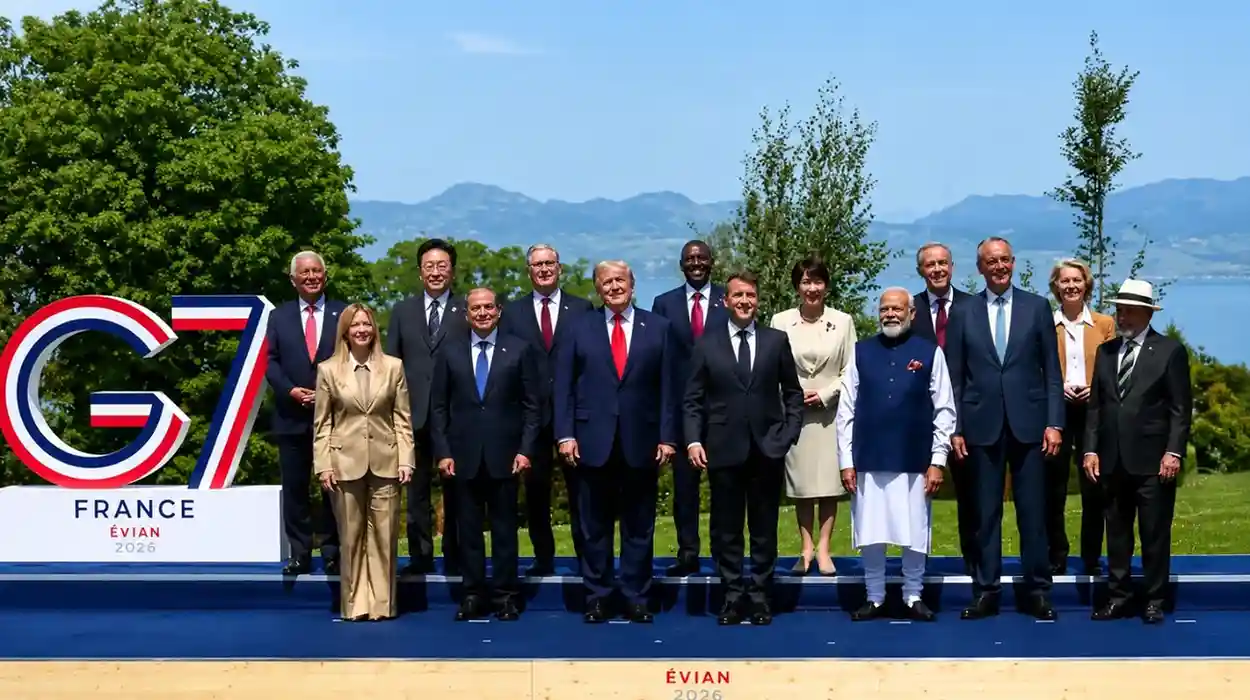
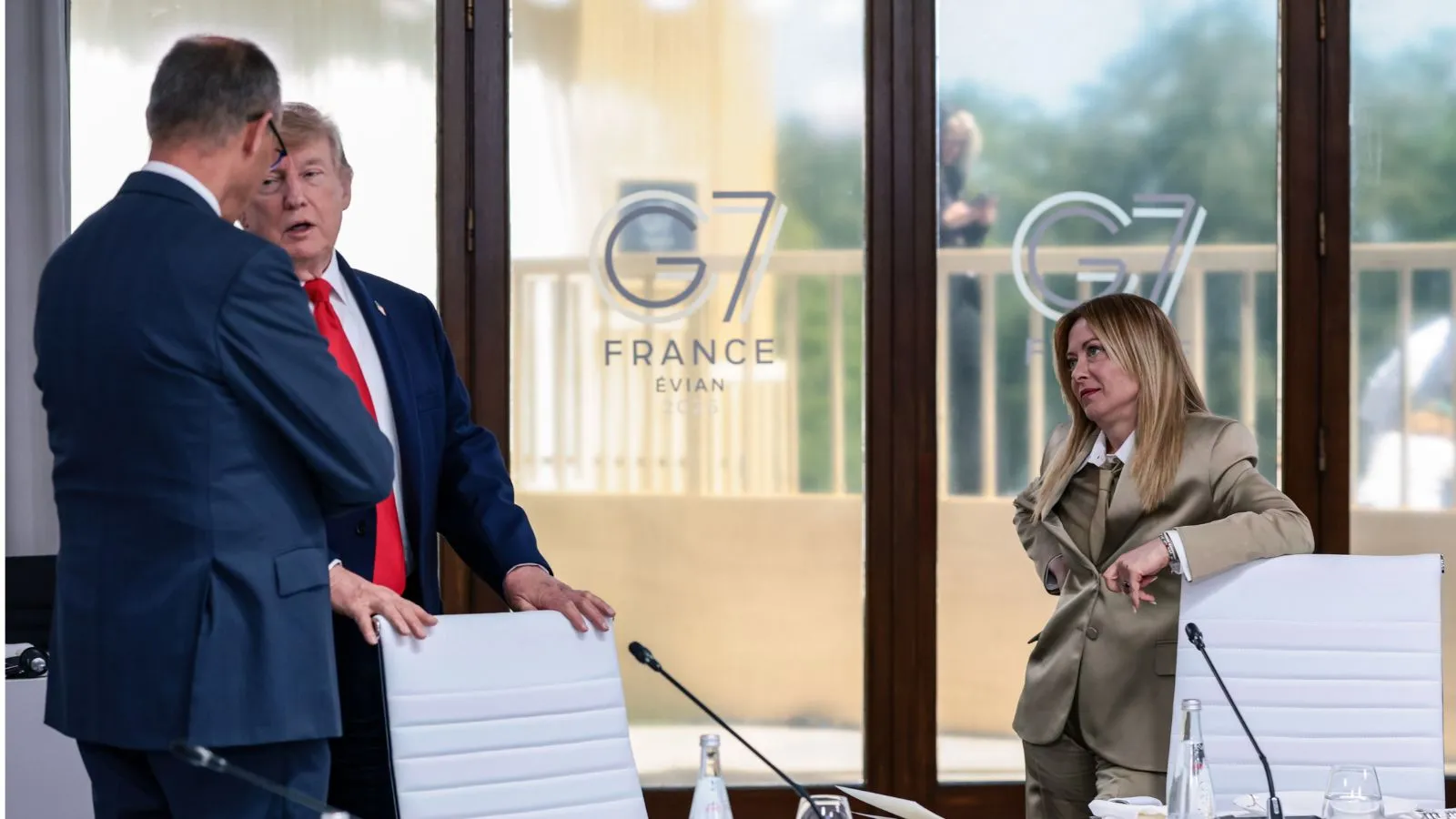
As for the signing of the document, one should pay attention to the fact that the signing of the memorandum proved to be quite unusual. In particular, US President Donald Trump signed the memorandum at the Palace of Versailles in France, where he attended the meeting conducted in the framework of the G7 summit.
Additionally, according to the information provided by the press, the document was also signed remotely by the Iranian president, Masoud Pezeshkian. "It is time now to check the execution of this agreement," said the spokesman of the Iranian Foreign Ministry, Esmaiel Baghaei.
Nevertheless, Donald Trump demonstrated his usual theatrics while declaring the signing of the agreement. In his social network, Truth Social, he stated, "The deal with the Islamic Republic of Iran is now complete. Congratulations to all! I hereby fully authorize the toll-free opening of the Strait of Hormuz and, simultaneously herewith, authorize the immediate removal of the United States naval blockade. Ships of the World, start your engines. Let the oil flow!"
In the process of making the deal, Pakistan and Qatar acted as mediators.
For Iran, the starting point for these negotiations was marked by considerable military and economic pressure. Strikes by US forces in June 2025 damaged crucial Iranian nuclear installations in Fordow, Natanz, and Isfahan. The naval blockade of Iran put serious economic pressure on it. With the flow of its main source of income closed off, Iran had strong motivation to come to an agreement.
At the same time, Iran did not leave the table empty-handed. Removing the US naval blockade is a considerable economic gain for it. Access to the Strait of Hormuz will allow Iran to export oil that is vital for its economy. In addition, Iran managed to include the phrase about mutual recognition of sovereignty in the MOU, which is important for a country like Iran that accuses the United States of interference in its domestic policy.
Iranian representatives also used some threats to make their case. Apparently, Iranian threats from the army in the last minutes of the negotiations helped to settle some points of the text that remained unsolved before. The negotiations over the wording of the MOU continued up until the minute before the signing.
This is the key question—and the least certain one.
The government of Iran is determined not to seek nuclear weapons. The country is ready to enter technical talks within the next 60 days, involving Iran's uranium reserves and the capabilities of its enrichment programs. However, there are still unknowns about what Iran will sacrifice and what incentives it will get in exchange.
Experience of previous negotiations, including the JCPOA in 2015, demonstrates how difficult it was to reach an effective deal regarding the nuclear program of Iran. The deal fell apart under Trump in 2018, during his first term of office. The fact that it is now Trump who seeks to negotiate with Iran a nuclear deal can be considered among other paradoxes of the current situation.
It is emphasized by analysts that a 60-day limit for a final deal is quite tight. The negotiations will be complicated not only technically but politically as well.
First, the immediate effect will be economic. With the Strait of Hormuz now reopened, the flow of oil will resume. International energy markets, which have come under tremendous pressure since the closure of the strait, will undoubtedly react favorably. Countries from all around Asia and Europe, and from further afar, that rely on oil from the Middle East will breathe a sigh of relief.
The deal itself is also a sign of diplomacy. It shows that, even after 100 days of military confrontation, diplomatic negotiations are still possible. According to US Vice President JD Vance, the agreement could mark the dawn of a "new era" for the region, with credit going to Trump's dealings with the Gulf States and other regional players.
Nevertheless, there are risks. For one, the time frame of 60 days within which to achieve a full-fledged agreement is rather optimistic. Moreover, both sides have failed to observe ceasefires before. The situation in Lebanon, mentioned in the MOU, is precarious. Finally, there are also extreme views, which are present on both sides of the confrontation, to worry about.