Nobody saw it happen. At 6:35 UTC on Wednesday, a piece of rocket about the size of a school bus hit the moon doing roughly 5,400 miles per hour, and the whole thing took place out of view, on a stretch of lunar surface that wasn't on anybody's radar until a few astronomers started pointing telescopes at it. No fireball footage. No flash you could screenshot. Just a fast, quiet collision that a small group of researchers had been waiting on for weeks.
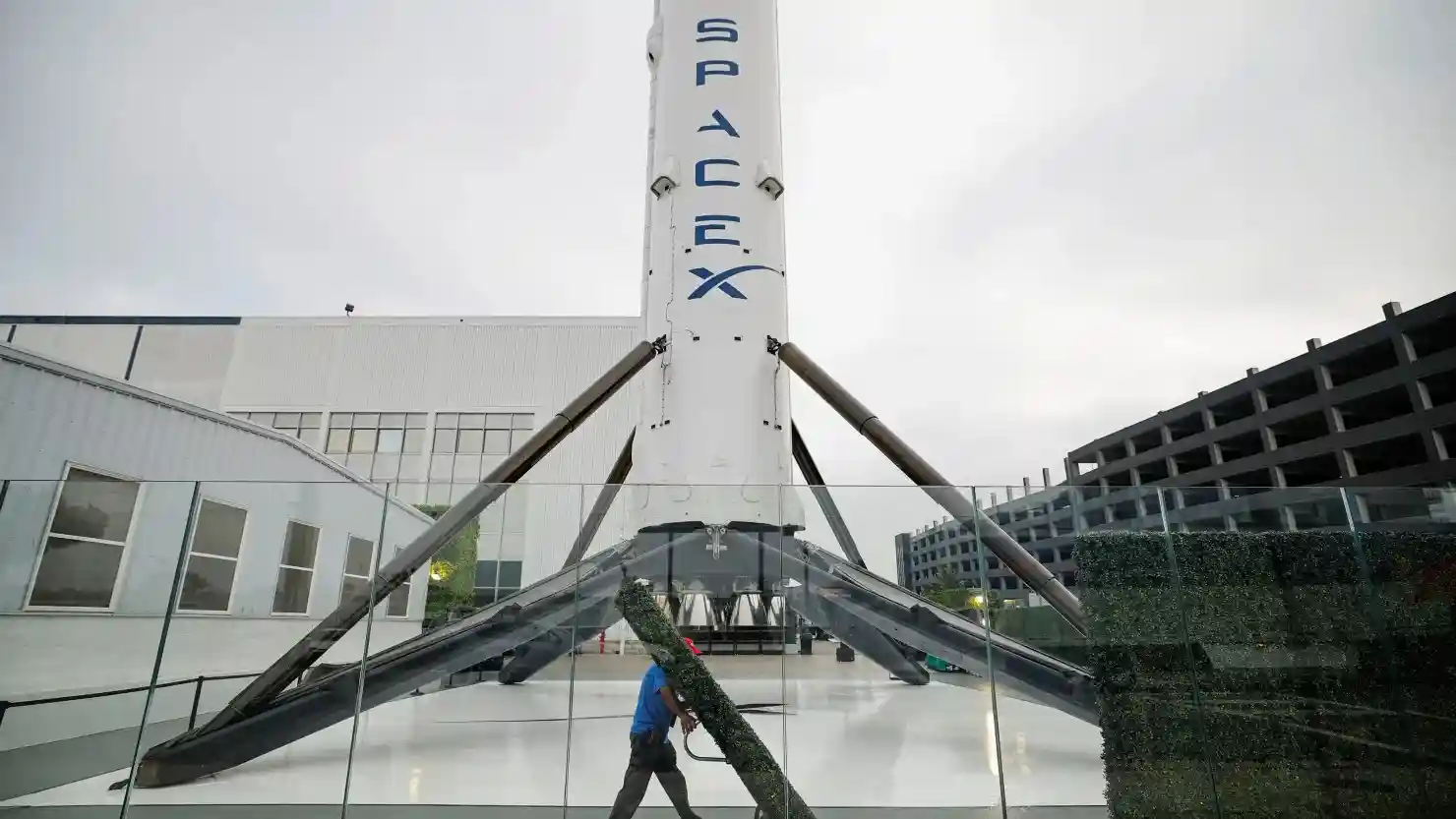
The object was the spent upper stage of a SpaceX Falcon 9, left over from a launch out of Kennedy Space Center's pad 39A on January 15, 2025. That mission carried two lunar landers, Firefly Aerospace's Blue Ghost and ispace's Resilience. Blue Ghost made it down fine and ran about two weeks of surface operations. Resilience didn't. Its laser range-finder failed during descent and it went down hard in June 2025.
The rocket stage that got them both there kept going long after its job was done.
This is the part that's a little awkward for SpaceX, if you want to call it that. Once a Falcon 9 upper stage finishes a mission out this far, it's supposed to get steered back toward Earth so it burns up in the atmosphere. That's standard cleanup, nothing unusual about it.
This one skipped that step. The roughly 8,800-pound stage stayed in space instead, caught between Earth's pull and the moon's, drifting a little closer on every loop for about a year and a half. NASA didn't catch it first. SpaceX didn't either. It was Bill Gray, an amateur astronomer working off nothing more than public tracking data, who worked out months in advance that the thing was headed for the moon. Not on purpose. Nobody aimed it there.
He got the timing right to within the hour, running the numbers on his own time.
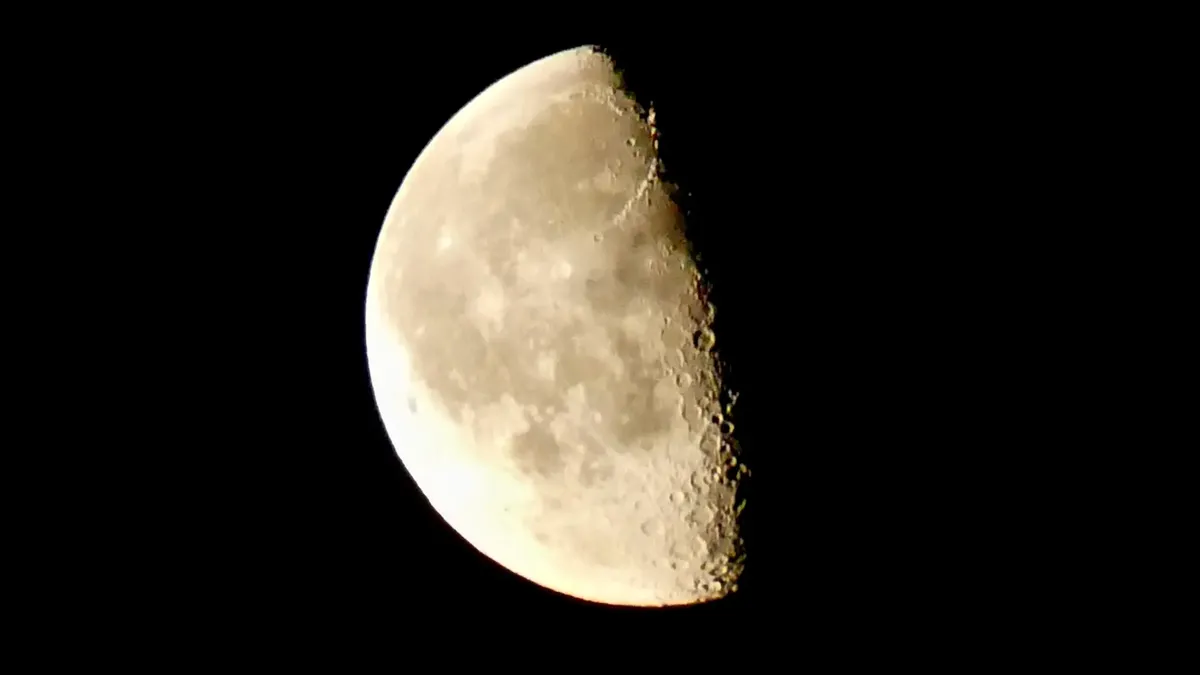
The impact site sits near the old, worn-down Einstein Crater on the moon's western limb, out of view from Earth. Even if it hadn't been, daylight on the lunar surface would have swallowed any flash anyway.
So researchers went after the aftermath instead. Carl Schmidt, an astronomer at Boston University, pointed the Very Large Telescope in Chile at the debris cloud and picked up a plume of sodium and lithium gas, kicked loose from the lunar soil, stretching tens of kilometers wide. Someone working out of a backyard setup in Sudbury, Massachusetts caught a matching sodium signal on their own, with far less equipment. Two separate readings landed on the same answer.
"There's only so many times events like this will occur", Schmidt said. This is the second one he's witnessed personally. That's roughly the whole reason anyone bothered tracking a dead rocket stage this closely instead of letting it disappear the way most space junk does.
NASA's Center for Near Earth Object Studies confirmed the trajectory ahead of time too, and it's usually busy watching for asteroids that might threaten Earth, not junk headed for the moon. A couple of orbiters already up there, NASA's Lunar Reconnaissance Orbiter and South Korea's Danuri, turned their cameras toward the impact zone to try to catch the new crater on camera, before shot and after.
Depends who you ask. NASA's own estimate puts it around 60 feet across and 12 feet deep. Other researchers, working from the roughly three tons of TNT worth of energy released, think it could run closer to 100 feet wide and 16 feet deep. Nobody will know for sure until the orbiter images come back.
Not exactly world-shaking either way. NASA has noted that meteoroids carrying similar energy hit the moon roughly every six days on their own, which puts the whole thing in some perspective. What made this one worth the telescope time wasn't the size of the crater. It was that scientists knew, for once, exactly when and where to look. That almost never happens with impacts like this.
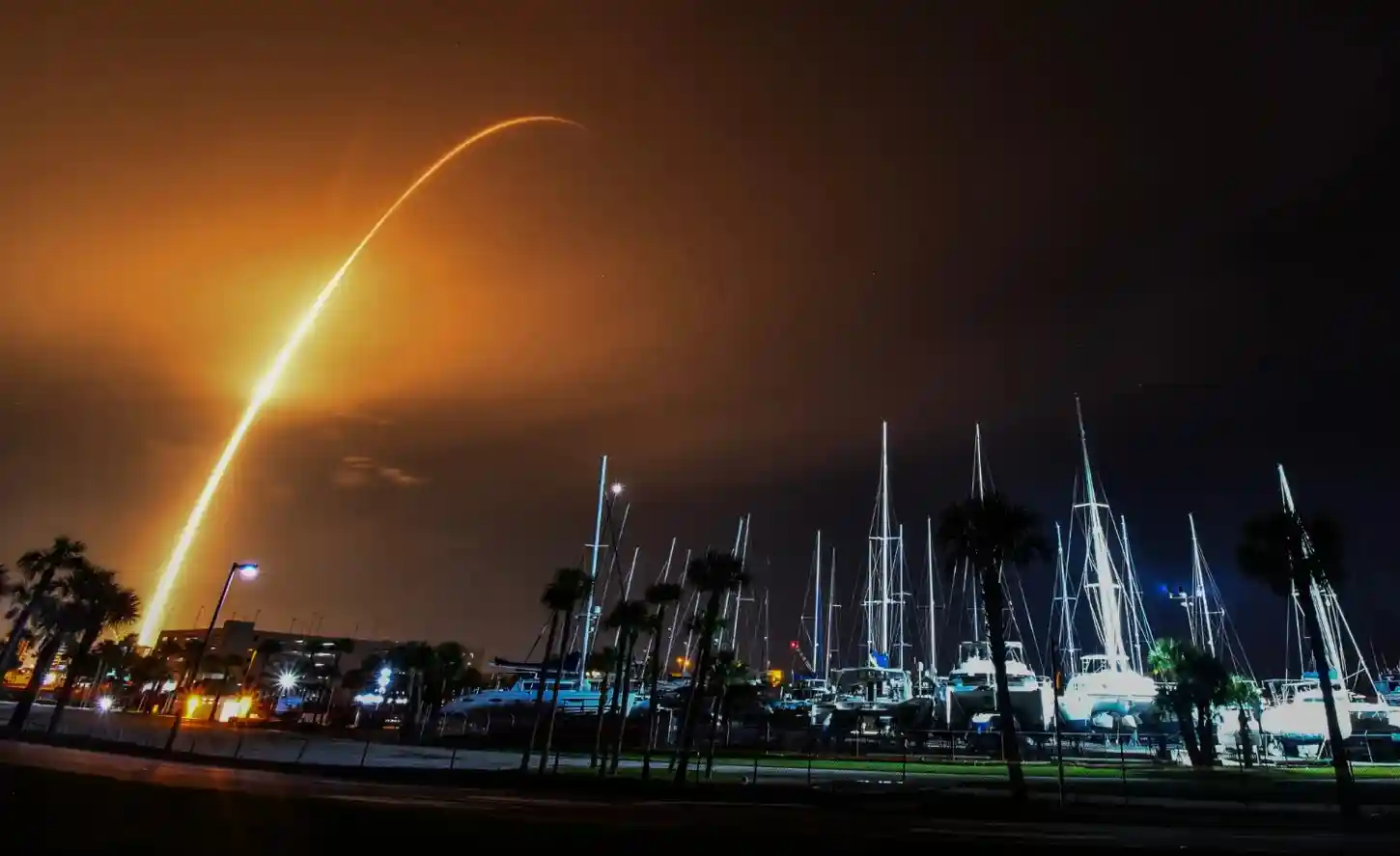
Photo: @USA TODAY Network via Reuters Connect
Crashing things into the moon on purpose isn't new. The Soviet Union's Luna 2 became the first human-made object to reach the lunar surface back in 1959, and it got there by intentional impact.
NASA later flung spent Saturn V stages at the moon during the Apollo years to study the seismic shockwaves they kicked up. The more recent crashes have mostly come from missions that just didn't go as planned instead, India's Chandrayaan-2 lander lost contact right before touchdown in 2019, Israel's Beresheet went down the same year, and Russia's Luna-25 spun out of control on approach in 2023.
This Falcon 9 stage doesn't fit neatly into either category. Nobody aimed it at the moon, and it wasn't attempting a landing. It just ran out of places to drift, and the moon happened to be the nearest thing around without an atmosphere to stop it first.