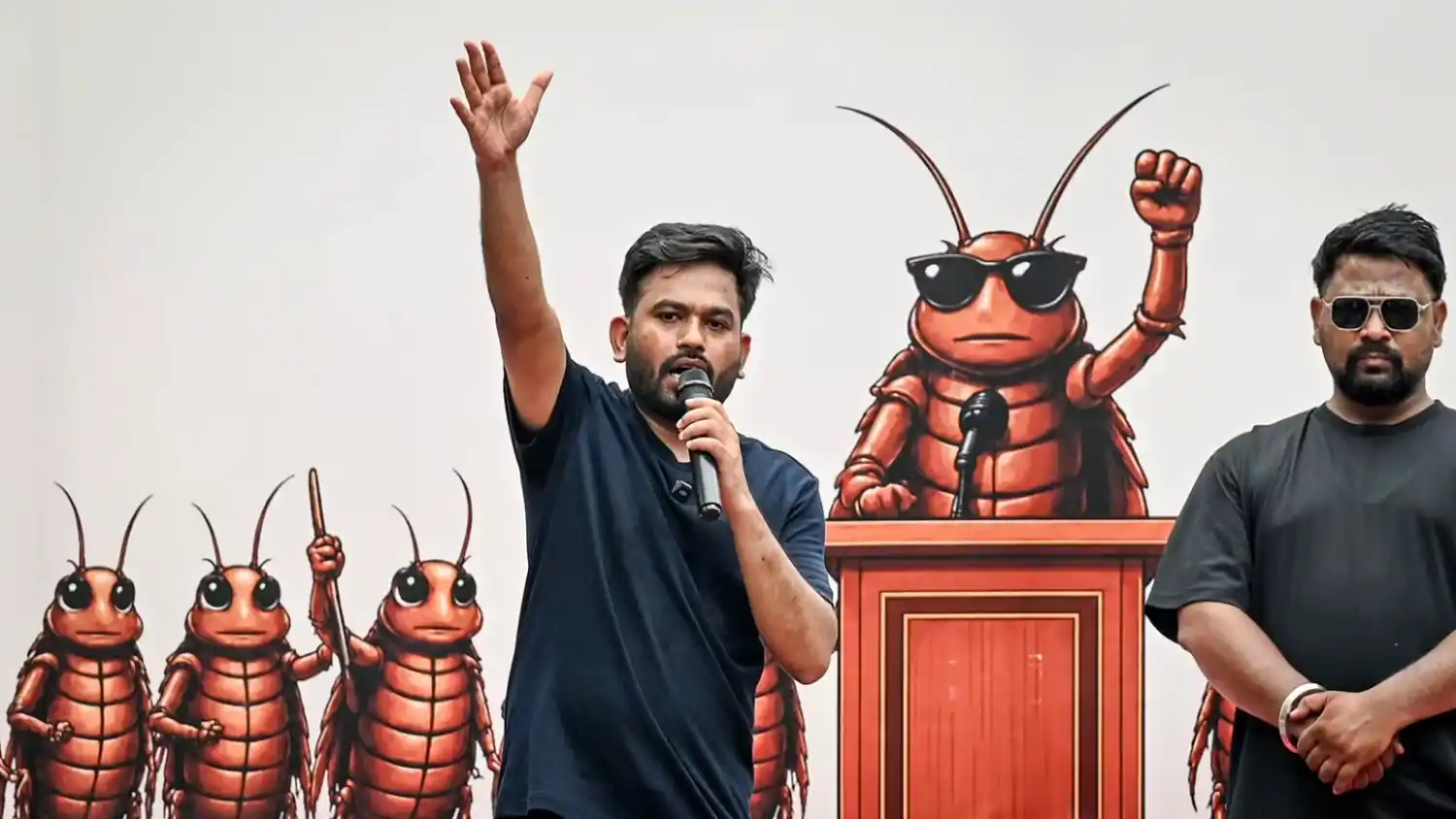
Nearly two months after the first signs of the NEET-UG 2026 paper leak scandal emerged, the crisis has definitely graduated from the streets to the halls of the Ministry of Education.
With students continuing to protest at Delhi's iconic Jantar Mantar and extending the movement to cities such as Guwahati, the government has started what is being called the largest reshuffle of the NTA ever since its creation in 2017.
More than 47 officials are said to have been targeted for removal as part of this restructuring process, and the crisis has already spread right up to the highest levels of the education administration.
The only thing that remains to be seen is whether the cleansing of the ranks of the NTA is going to be sufficient to regain lost confidence, or whether it is coming too late.
It is a case for concern that the NEET-UG 2026 scheduled on May 3 for hundreds of thousands of aspirants from the medical community is alleged to have been plagued with the leak of the question paper even before the examination began.
However, the cancellation of the NEET 2026 by the NTA along with the submission of the matter to the Central Bureau of Investigation could not halt the growing rage against the organisation.
Retests were conducted and that too in conditions of high security such as the question paper being transported to the test centers by the Indian Air Force. Even this has failed to make any difference and it has further infuriated the protestors.
Ladakhi engineer and education reformist Sonam Wangchuk has joined hands with protesting students on a hunger strike at Jantar Mantar in order to give a further boost to the protest movement which has now become an international affair with protests being organized in foreign countries like New York, London, and Dublin in support of the cause.
Under immense pressure, however, the government has started making visible personnel changes.
In a significant step thus far, the Education Secretary Vineet Joshi, who has been working as an acting chairman of University Grants Commission also, has been shifted to the Ministry of Panchayati Raj.
It may be mentioned here that Joshi had been working as the first ever director general of the NTA since its establishment.
Even though, till now, no official connection has been made by the government between this transfer and the controversy surrounding the NEET, the significance of this decision cannot be missed out. Apart from this top level personnel change, it seems that an entire clean-up process is being undertaken within the NTA itself. Around 47 personnel have been identified to be removed as a part of the entire restructuring plan of the government and some of these have even been reported to be under disciplinary actions.
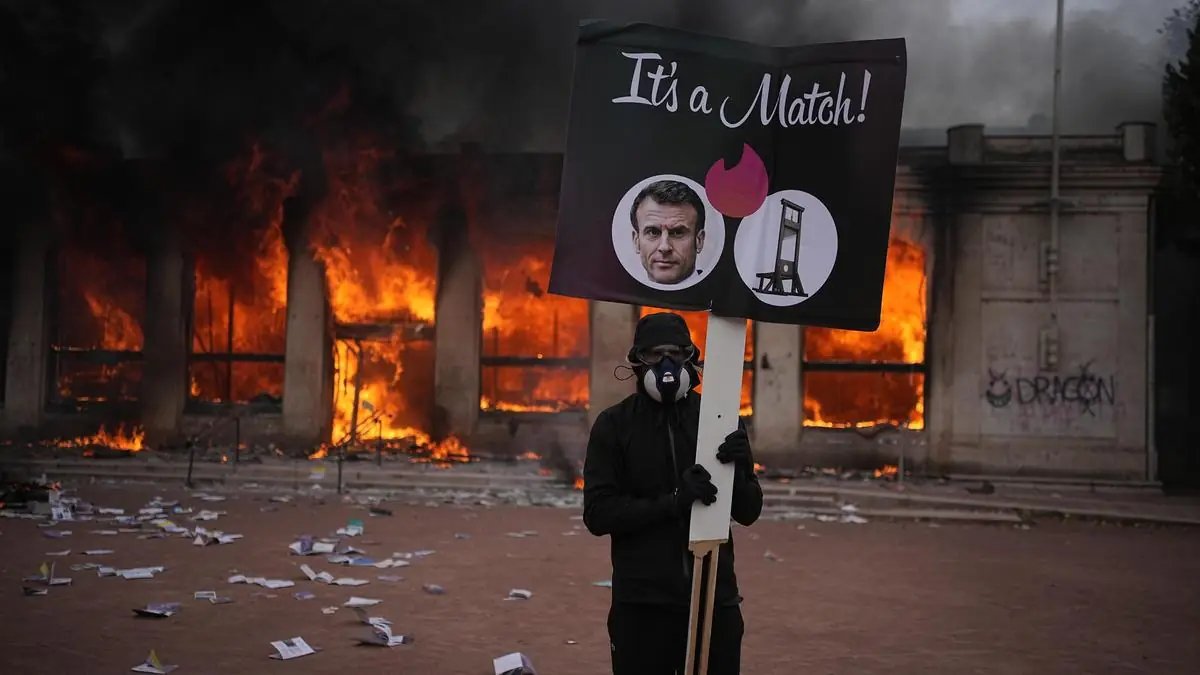
The scope and intensity of the protests seem to have compelled the Centre to respond. In light of the fact that the protests received backing from the opposition, civil society leaders and even Indians in the diaspora, the political stakes have become quite high.
The senior BJP leadership tried to play down the situation — promising that there would be no criminal action against peaceful protesters at Jantar Mantar and the marchers heading towards Parliament, and hinting that the government is ready to discuss the issue of leaks and reform of the exam system through a paper on paper. In addition, there have been signals that the Centre will be thinking of compensating the families of students who committed suicides as a result of NEET controversy.
For an organization which organizes 15-20 national examinations per year, including JEE Main, CUET and a number of UGC examinations, this is not the first time when the integrity of the NTA becomes a subject of criticism.
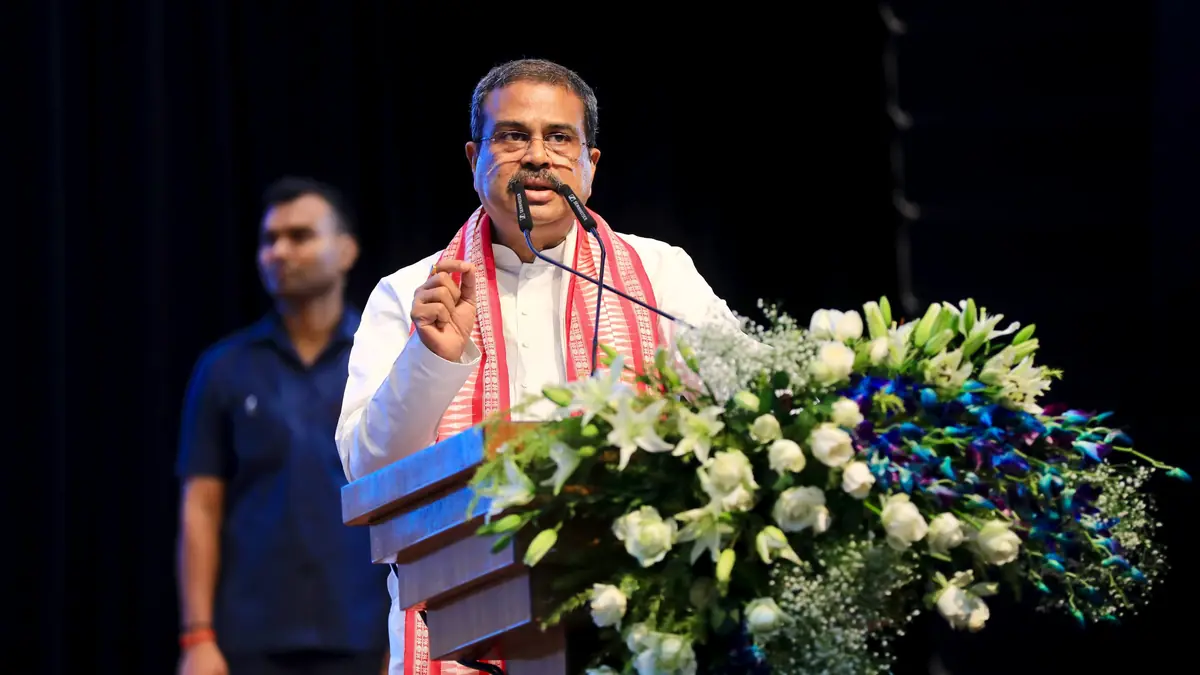
As the administrative restructuring moves forward, there remain some flash points that have yet to be addressed. The protesters continue to insist on the resignation of the Union Education Minister, Dharmendra Pradhan, something that the government has not conceded to yet.
There is also the issue of accountability with respect to the actions taken by the police against the protesting students, an act that had been used as an excuse for further agitation. In the meantime, the opposition political parties are using this opportunity to push for a comprehensive discussion of the matter in the Parliament, stating that administrative changes alone will not help solve the problem at hand.