HomeKit came out in 2014. Since then, Amazon and Google have dominated the kitchen countertop with their little screens that do everything from showing recipes to controlling the lighting. The pieces of Apple's smart home were scattered across the company's iPhones, iPads, HomePods, and Apple TVs. They didn't serve as one unified platform where you could check.
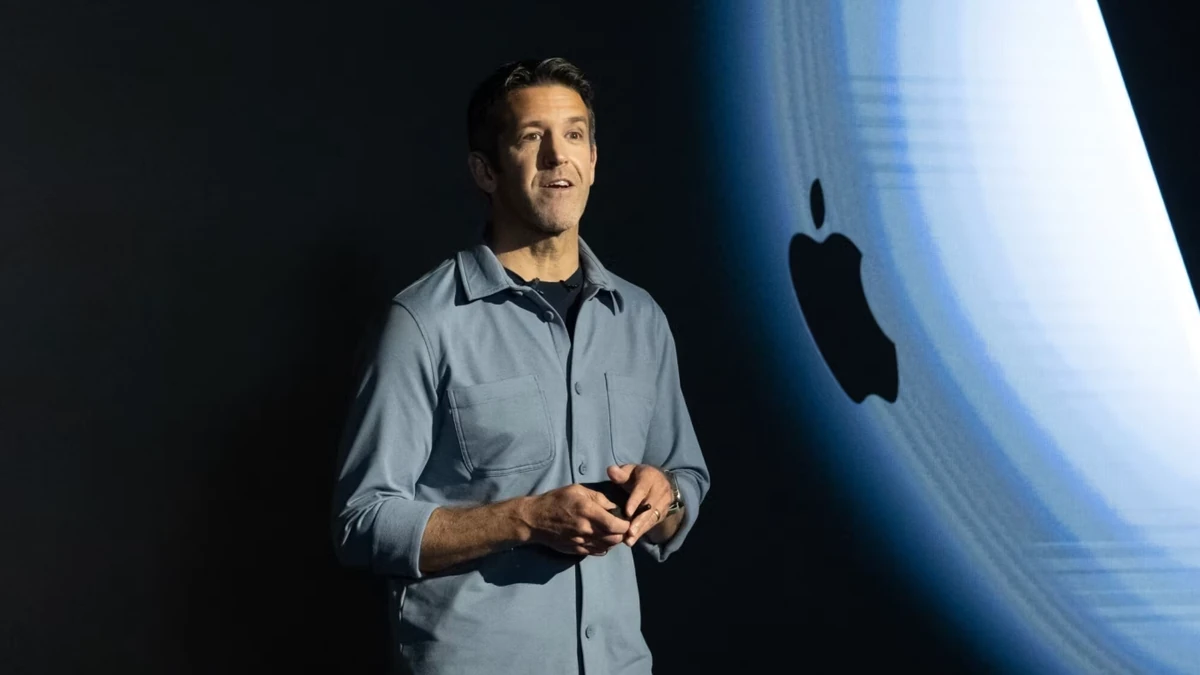
HomeView was supposed to be the platform. It was announced at Apple's "Welcome Home" event on Tuesday. It also marks the first non-iPhone product launch led by new CEO John Ternus since he succeeded Tim Cook as the head of the company in early September.
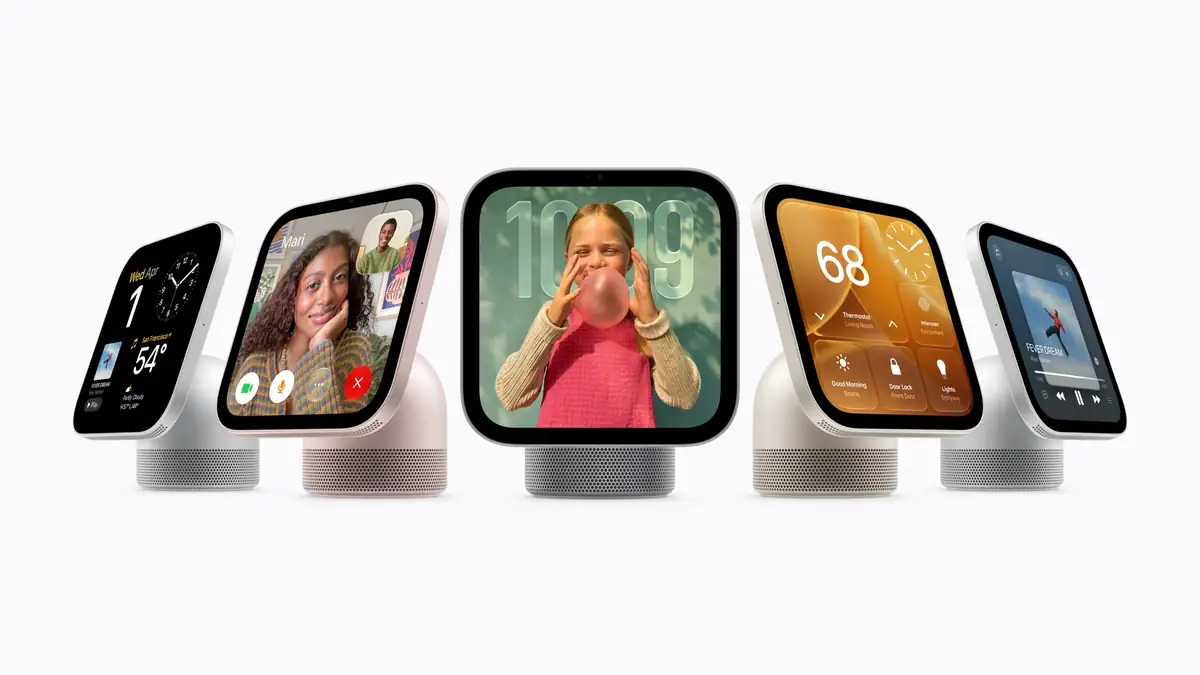
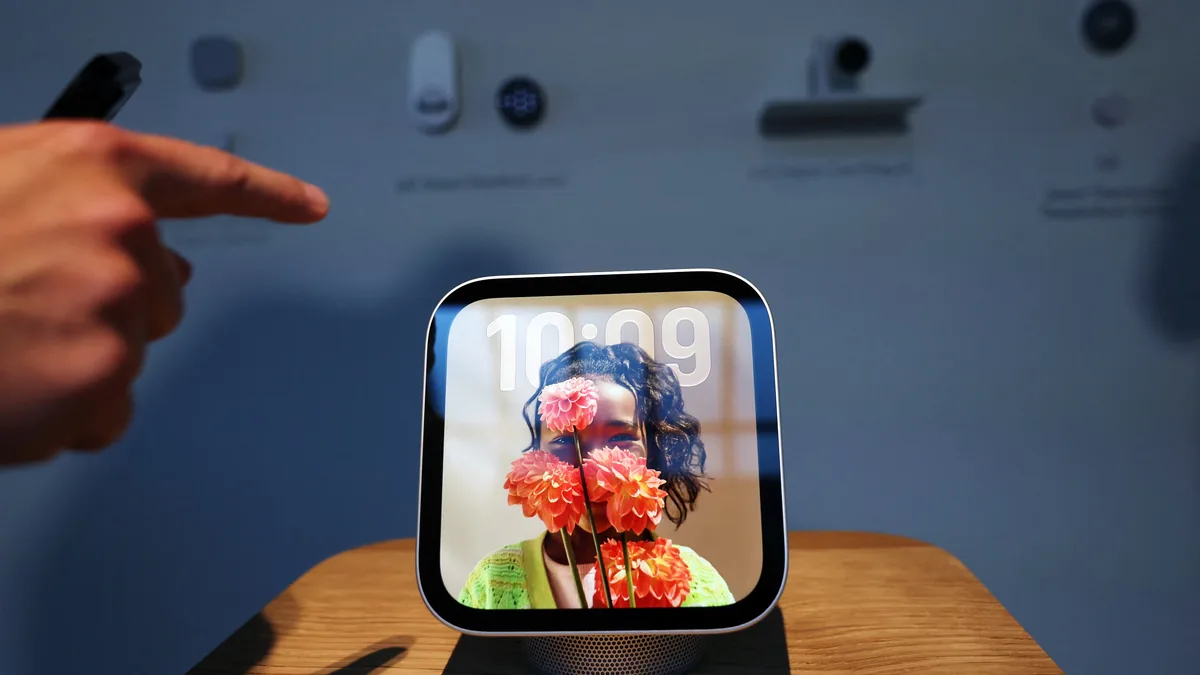
The design of the device is pretty straightforward. HomeView consists of a 7-inch square Liquid Retina display mounted on a dome-shaped speaker base through a stainless steel hinge that allows for tilting. The form factor of the display reminded people of the iMac G4 ahead of the launch.
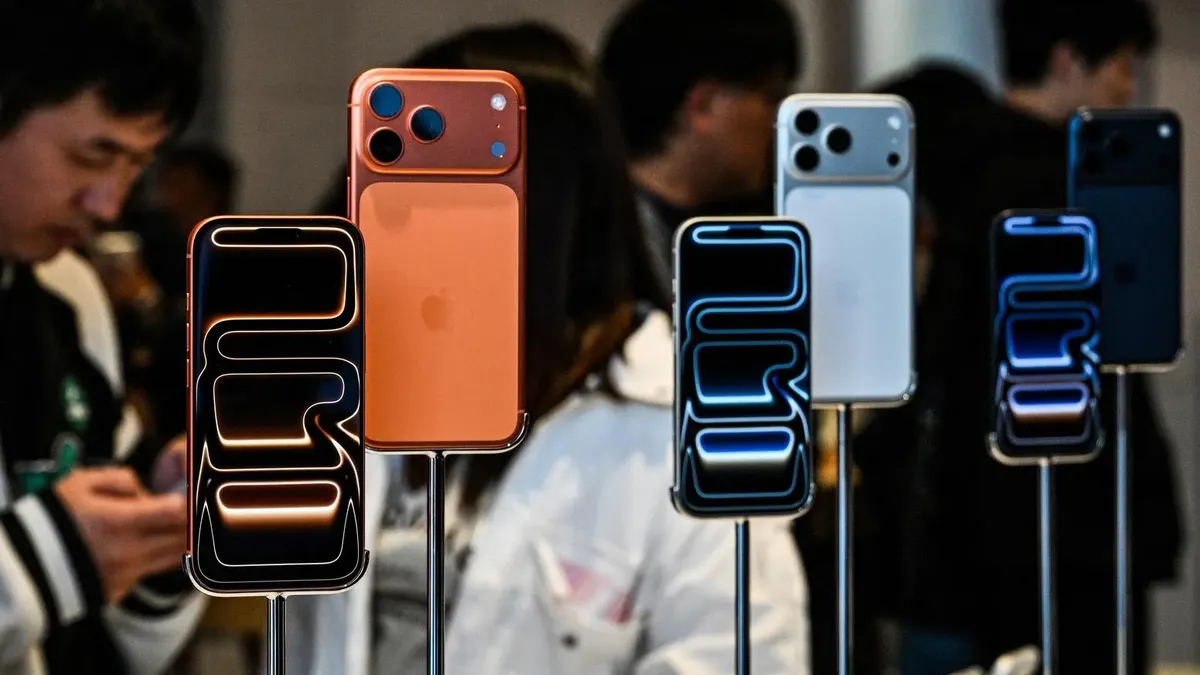
The desktop model is available in four colors including silver, starlight, rose pink, and space gray. There is a model for wall mounting, and it comes only in space gray and silver.
However, that figure only applies to the screen. In order to put the wall-mounted version up on the wall, one would require a mount. The company offers three dedicated mounts created specifically with Schneider Home. The cheapest of the three is the USB-C Wall Connector Mount, which goes for $59.95, while the AC Wired Mount costs $79.95. That takes the price to closer to $360 or even $380.
This still remains under the reported rumors of a price starting from $350. This is also much more than Amazon's Echo Show, which was available for $249. Apple is not planning to fight the price war. Instead, the idea is that the user will be willing to spend more on a device that integrates well with his Apple ecosystem.
HomeView is a voice-controlled device. Prior to its release, many reports have stated that an advanced AI algorithm for Siri forms the key component of this device. One was supposed to command it using voice and not through touching the screen.
The company has been waiting for this software to be released to introduce this hardware. The Home Hub was reportedly ready almost a year ago.
This history gives added importance to Siri's performance in practical situations. It is more important for an intelligent display to get things wrong than to have a poorly designed interface.
HomeView will be able to make FaceTime calls, browse the web, and play music. It can be used as a control center for the Home application as well as for connected devices. Reports from before its launch suggested that it would only be able to run a few Apple applications without having access to an App Store, although widgets from a nearby iPhone may be cast onto the display.
This is a conscious decision, and both sides of it have to be considered.
A closed system is easier to work with, which is a good thing for a shared device in the kitchen or hallway. However, those expecting to use it instead of a tablet computer or to be able to install streaming and recipe apps would be disappointed.
The first thing users should do is to see what apps are available for the product.
HomeView was not the sole new product. Apple also launched a new Apple TV 4K that has the A19 chip and a new version of Siri Remote, as well as a HomePod mini 2 equipped with Siri AI and new colors.
It was supposed to hit stores by October 30, two weeks ahead of HomeView's release date.
The order is important because it reflects Apple's strategy of selling a bundle of products, where the mini speakers provide voice control in other rooms and Apple TV takes care of the living room, while HomeView is the middle piece with a screen and superior audio quality.
According to the rumors prior to the event, Apple cooperated with LG Electronics to develop a wide array of home accessories, from a doorbell, smart lock, thermostat, and cameras to a wide variety of other products.
Schneider Electric reportedly also developed some energy-related devices for Europe. The rumors claimed that many of the accessories will become available months later than the hub itself.
For a customer, it creates a delay, as a hub is only as good as the devices it controls.
According to analysts, Apple always waits till the ecosystem is ready before launching something into a particular segment. This time, however, it has a price to pay. Amazon and Google have been perfecting their screens and developing a habit of using them in millions of households for quite some time now.
The trump card of Apple here is the installed base. Households that are powered by iPhones, iPads, and Apple TVs are getting a screen that binds everything up and is coming with the privacy of the brand. On the other hand, for those who are outside that realm, the case is much less convincing.