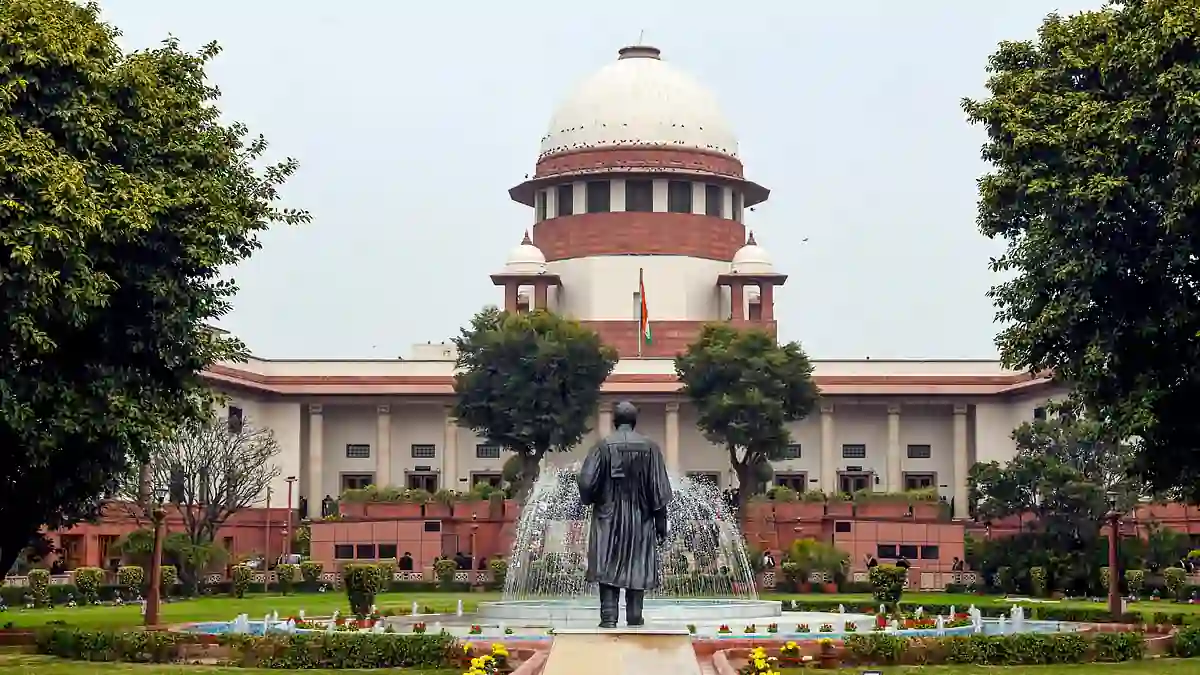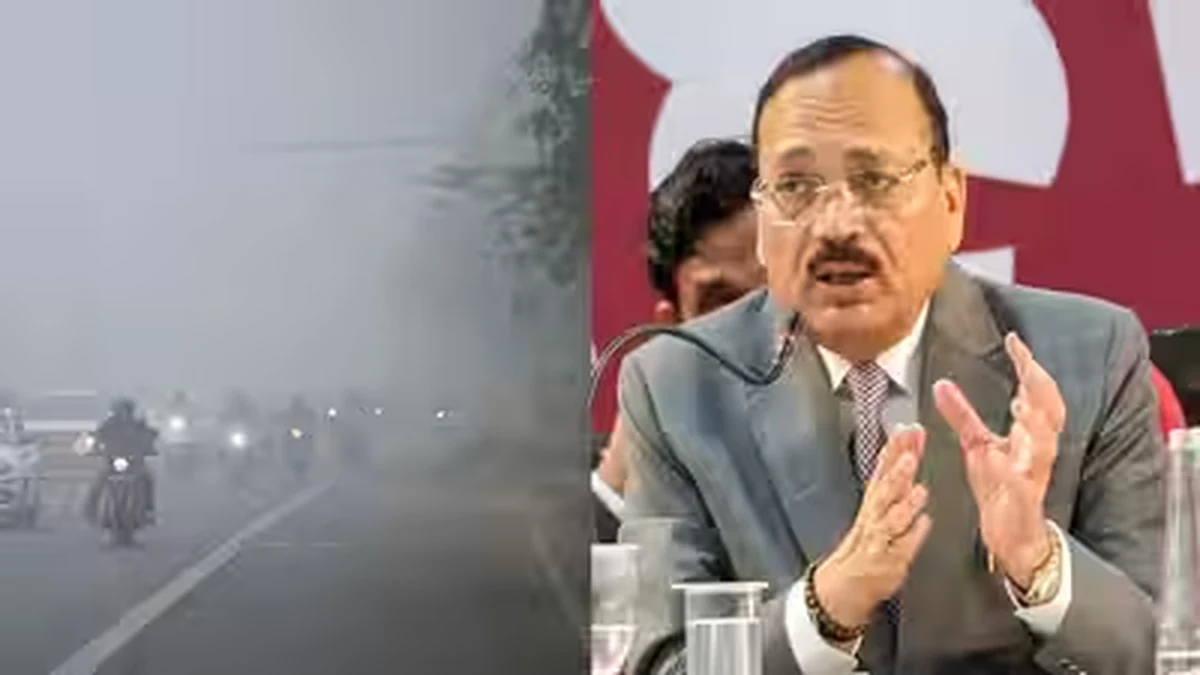
Every hearing starts with a name and case number. The Chief Justice of India started off the hearing on Friday, November 6 with an observation regarding the weather conditions.
"Hope you are all enjoying the weather in Delhi," CJI Surya Kant stated while starting the hearing on the serious issue of air pollution in Delhi and its neighboring areas.
It was indeed sarcastic; but there was genuine concern.
The environment outside the court supported the statement as the air quality index in Delhi was recorded to be 389 at 8 am on Friday, which is considered “very poor” as per the Central Pollution Control Board.
The CJI highlighted an alteration in the situation. He stated that there was a reduction in pollution levels in Delhi due to the rains. It seems like the period of respite is very short.
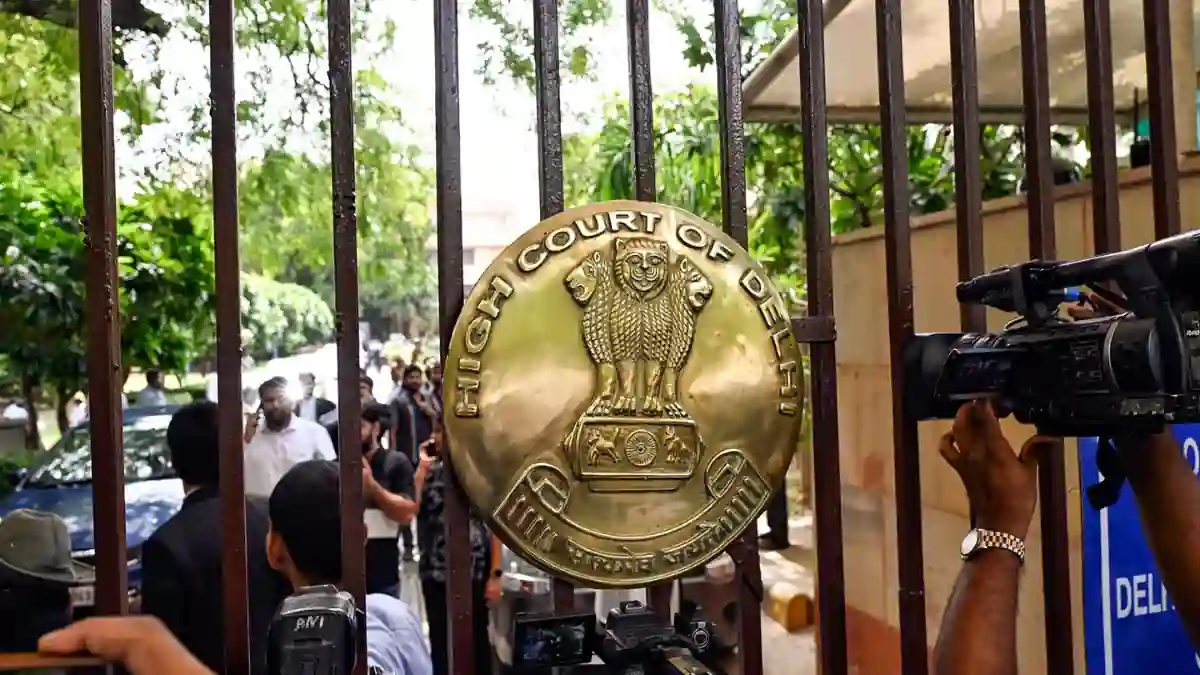
The hearing was conducted in the presence of three judges. The panel consisted of the CJI Kant, along with Justices Joymalya Bagchi and V. Mohana, who were considering the suo motu case of air pollution in the NCR.
It was stated that the court was very concerned due to increasing levels of pollution and that stubble burning and vehicular emissions were two key factors.
The next matter that caught the court's attention was the issue of traffic. The CJI pointed out road congestion as one of the concerns between Delhi and neighbouring NCR towns.
According to him, vehicles are being stopped on NCR borders and allowed to idle there, adding up to pollution. This directly relates to the new regulations imposed on borders of Delhi.
The hearing comes days after the beginning of Delhi’s winter pollution measures. Starting November 1, the city has imposed a ban on non-Delhi cars that don’t meet BS-VI emission norms and construction activities that cause pollution. Border controls are being tightened to enforce this ban.
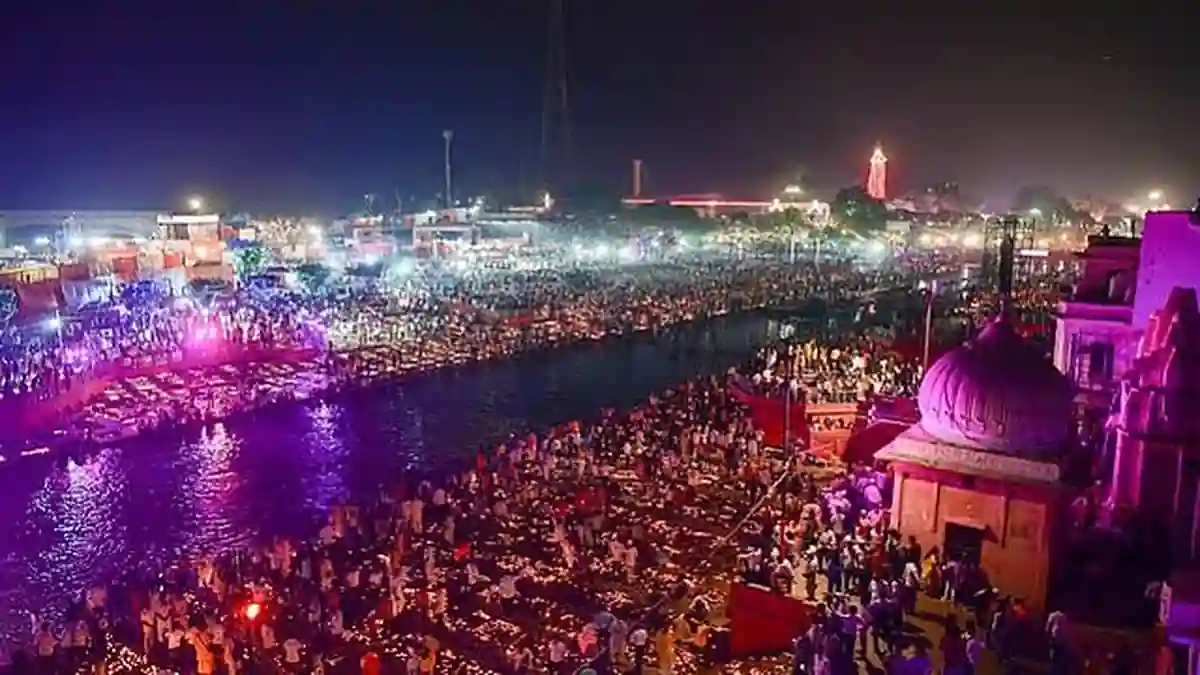
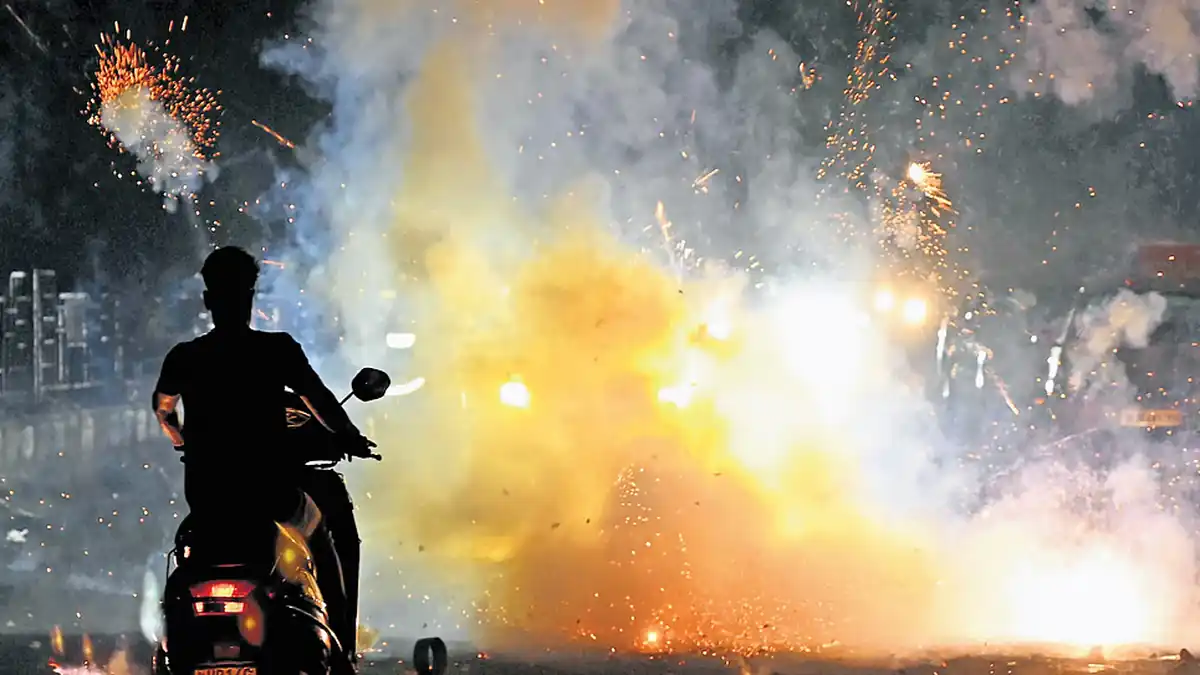
The Supreme Court had also this week allowed the use of certified green crackers for only two days around Diwali, starting from November 9. This order of the court itself related to firecrackers forms the background to Friday’s hearing.
This Diwali issue arose in court. There is a section in the report by The Free Press Journal headed "No restriction is going to work" in relation to pollution of Diwali. The reports analyzed do not provide the complete context of the utterances, and the line should therefore be considered a headline, not a quote.
This is consistent with the observations made by the CJI last year. As observed by him in November 2025, he observed that the courts did not have a 'magic wand' to solve the problem of pollution in Delhi, which could be solved by experts in that field alone.
As well, he pointed out that the issue was listed ceremonially every year before Diwali and required constant monitoring.
Last year, the CJI observed that a car was the symbol of status and that people were saving up to buy their own four-wheelers now that they stopped cycling.
The reasons are numerous. The air quality of Delhi-NCR is affected by crop residue burning, vehicular emission, construction activities, industries, and weather factors.
Such complexity makes it difficult for courts and experts to arrive at any consensus as to what levers to prioritize. The judge can order different authorities to take action, but not to clean up the air.
In terms of what is to follow, the reports cited did not mention when the next hearing is scheduled and the directions that were issued by the court. The responses from the Delhi government, the Centre, and the CAQM were also not mentioned in the reports cited.
These aspects will become important as in the previous hearings, the court had asked for affidavits and expert reports.