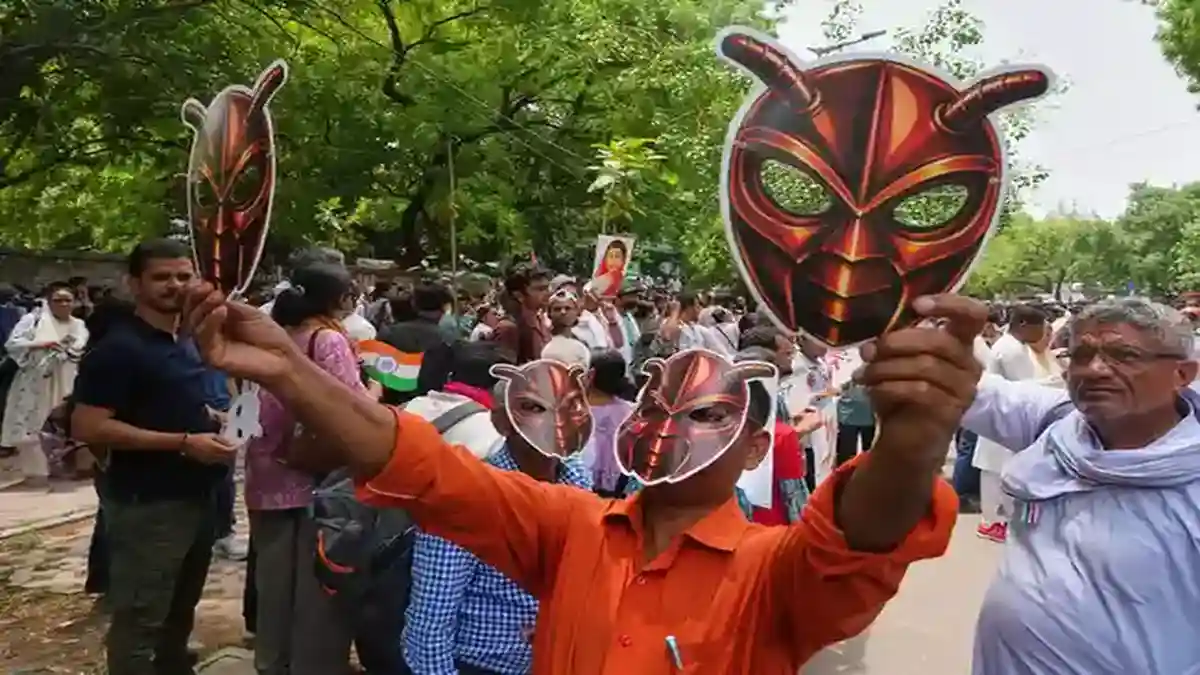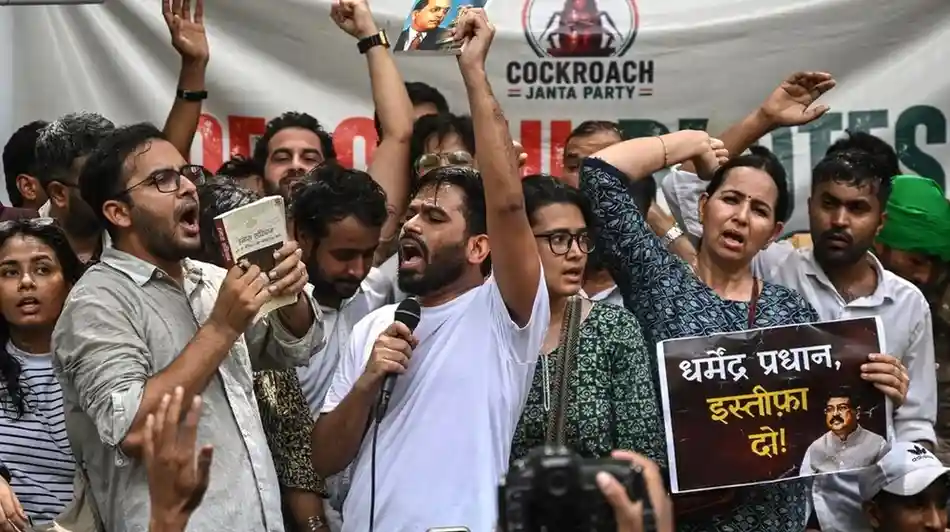
July 20 proved to be a politically charged day for the national capital as the Cockroach Janta Party (CJP) march 'Chalo Sansad' clashed with security forces near Parliament Street on its first day.
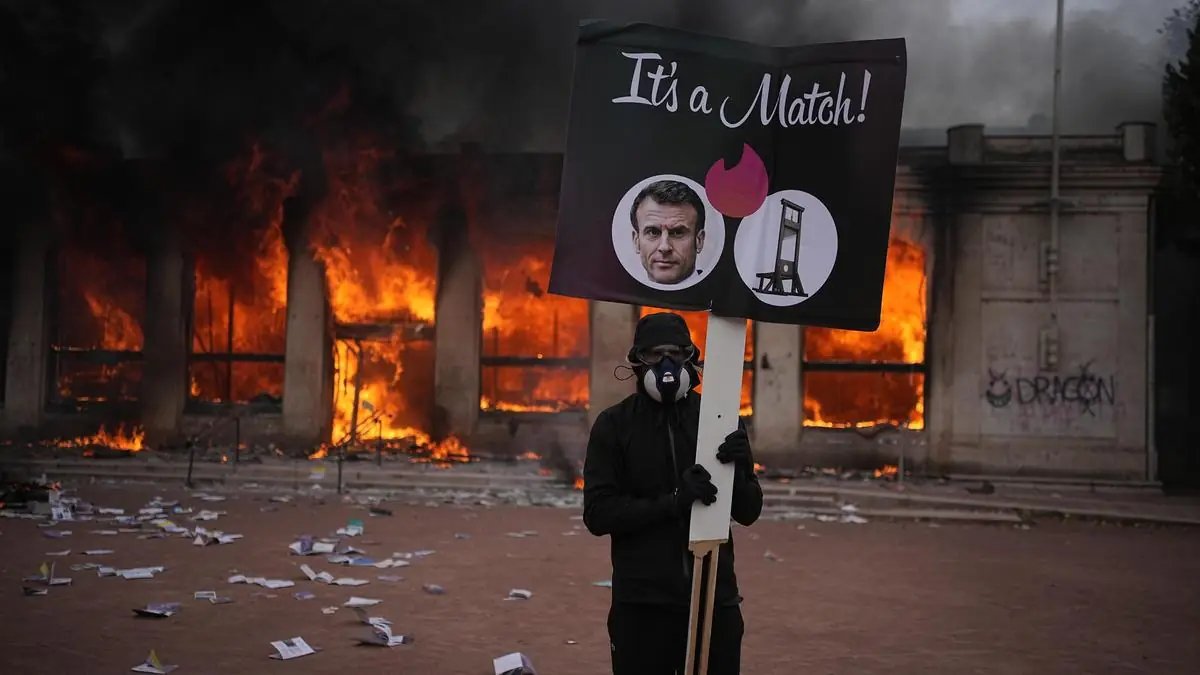
Thousands of students and supporters had gathered in the center of Delhi and attempted to march towards Parliament with their demands but found themselves facing barricades, lathi charges, and tear gas shells fired by the security forces.
While the day was the first day of the Monsoon Session of Parliament, the police forces were deployed in large numbers against the protesters despite this knowledge. Many of the protesters defied orders to disperse and continued their protests despite the use of force.
Several of them said that although they expected some level.
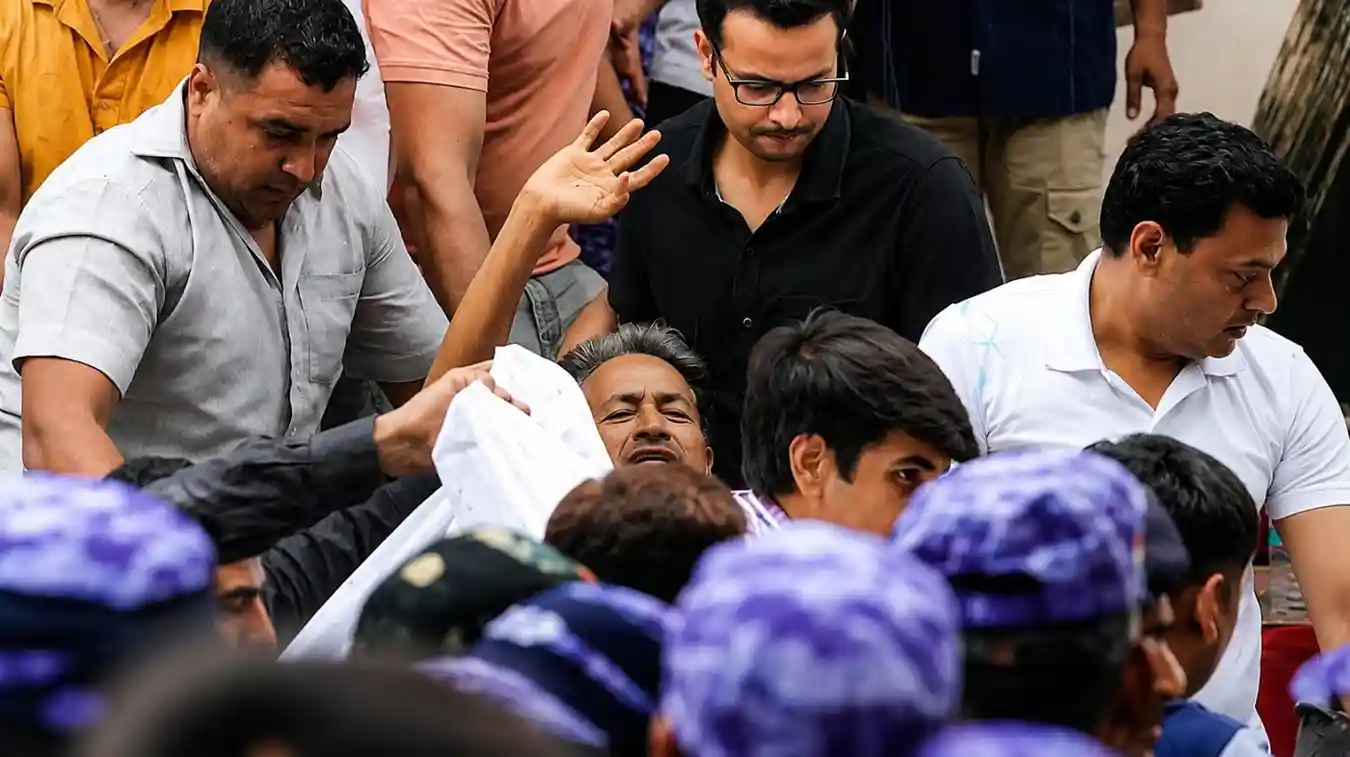
Another event of the day worth mentioning is the detention of CJP founder Abhijeet Dipke, who was picked up by the police during the protest march.
Following the detention of Dipke, the party leaders asked the Members of Parliament to join the students protesting against the government's decision in the street.
It may be noted that as per the reports from the field, the detention was not confined to just the leaders of the CJP.
Many other people taking part in the protest march have also been arrested by the police. Protesters were alleging that the police action went far beyond the normal control of crowds to an abuse of power.
Strangely enough, PM Narendra Modi did not refer to any of the ongoing protests in his opening speech at the Monsoon Session. Lok Sabha was later adjourned for the day owing to the ongoing protests.
While all of this drama was going on outside, a separate, albeit quiet, track of engagement was taking place. The government contacted CJP early on in the day, thus establishing an engagement line even as the standoff with the demonstrators went on outside the Parliament.
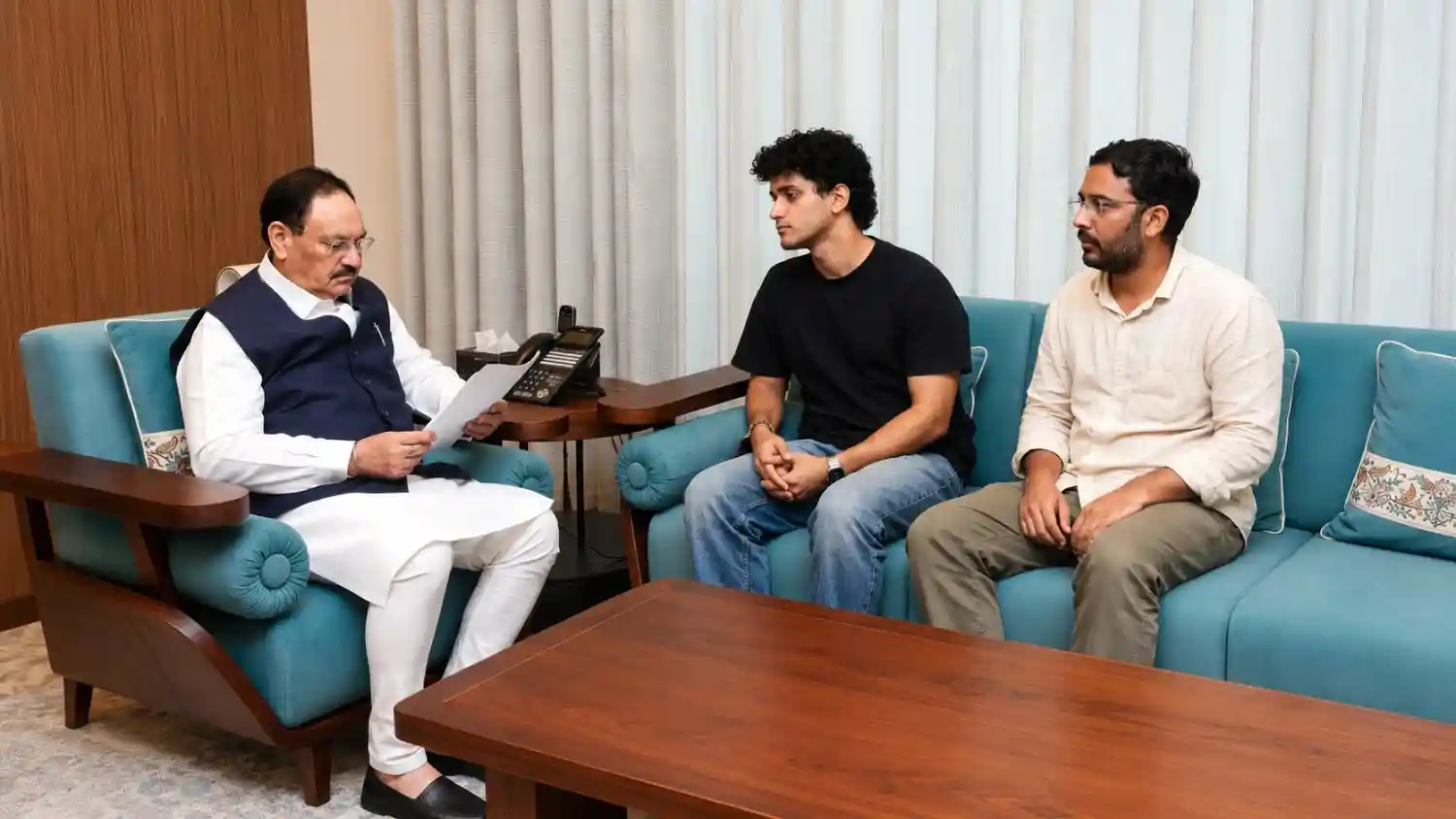
It turned out that a two-member delegation from CJP headed by chief spokesperson Saurav Das and national spokesperson Ashutosh Ranka was heading to meet Union Health Minister and BJP President J.P. Nadda.
However, they had to wait for over two hours before being allowed to meet Nadda in person for just about ten minutes. Das informed about the details of the engagement in his post on social networks soon after the meeting, emphasizing the disproportional ratio of the waiting period and the discussion itself.
The CJP delegation gave a written memorandum to Nadda with the demands of their organization. In the words of Ranka, Nadda suggested consulting with other members of the government leadership on their demands and asked for some more time to do that.
The memorandum presented to Nadda included the following demands.
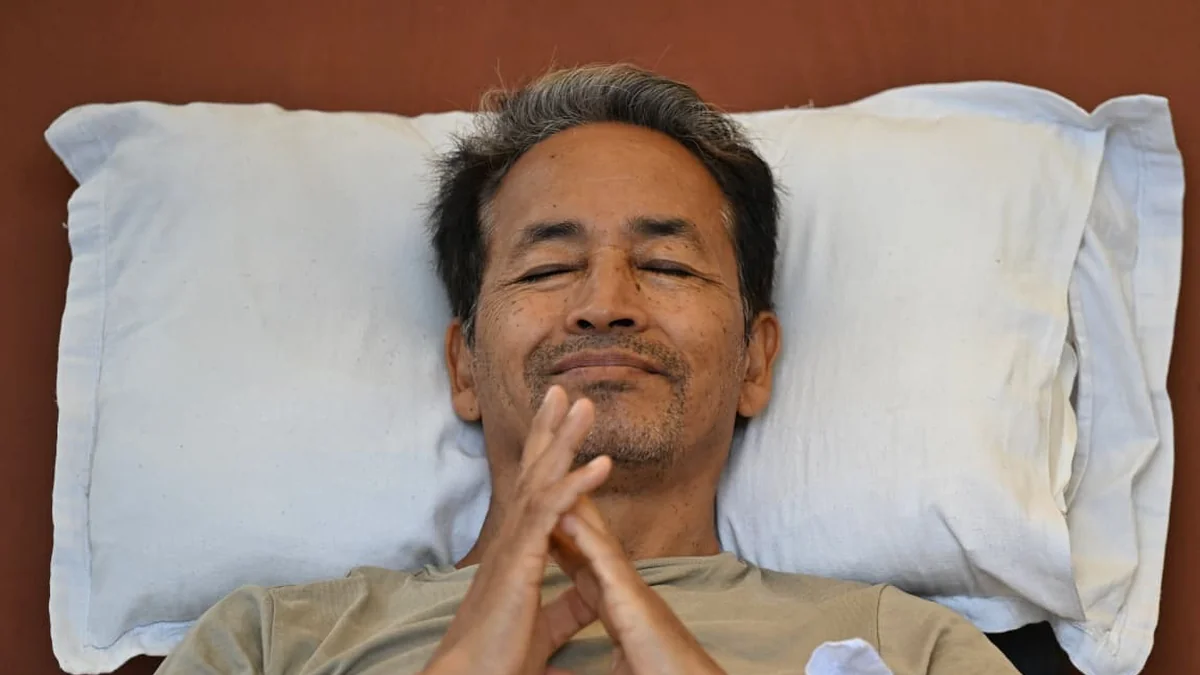
First of all, the CJP demanded immediate and unconditional release of activist Sonam Wangchuk, who is said to be observing a hunger strike as part of the general agitation. Secondly, the CJP reiterated their demand for the resignation of Union Education Minister Dharmendra Pradhan, who, according to CJP, is responsible for the irregularities in conducting examinations on the national level, including the NEET examination. Lastly, the CJP demanded Rs 1 crore as a compensation from the families of the deceased NEET aspirants.
The CJP has been holding continuous protests at Jantar Mantar ever since June 20. Therefore, the march to Parliament can be viewed as an escalation of the protests held during the past month.
The main problem that the CJP has with the government is the issue of NEET paper leak and other flaws in the Indian competitive examination system.
After the meeting, Ranka went public via social media, stressing that all the demands of CJP remain intact and that the Delhi Police must stop using excessive force against the peaceful protestors immediately.
As stated by government officials who talked to the news agencies, consultations on how to react to the agitation are taking place internally in the government, and there is every chance that the government's reaction may come soon.
As of the moment of writing this article, there had not been an official reaction to the demands of CJP. The situation around Parliament Street was tense throughout the day, and there were reports of continued detentions despite the back-channel negotiations that took place.