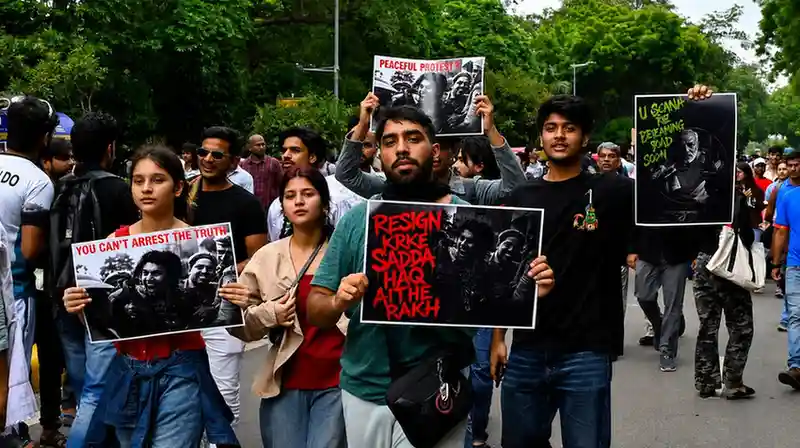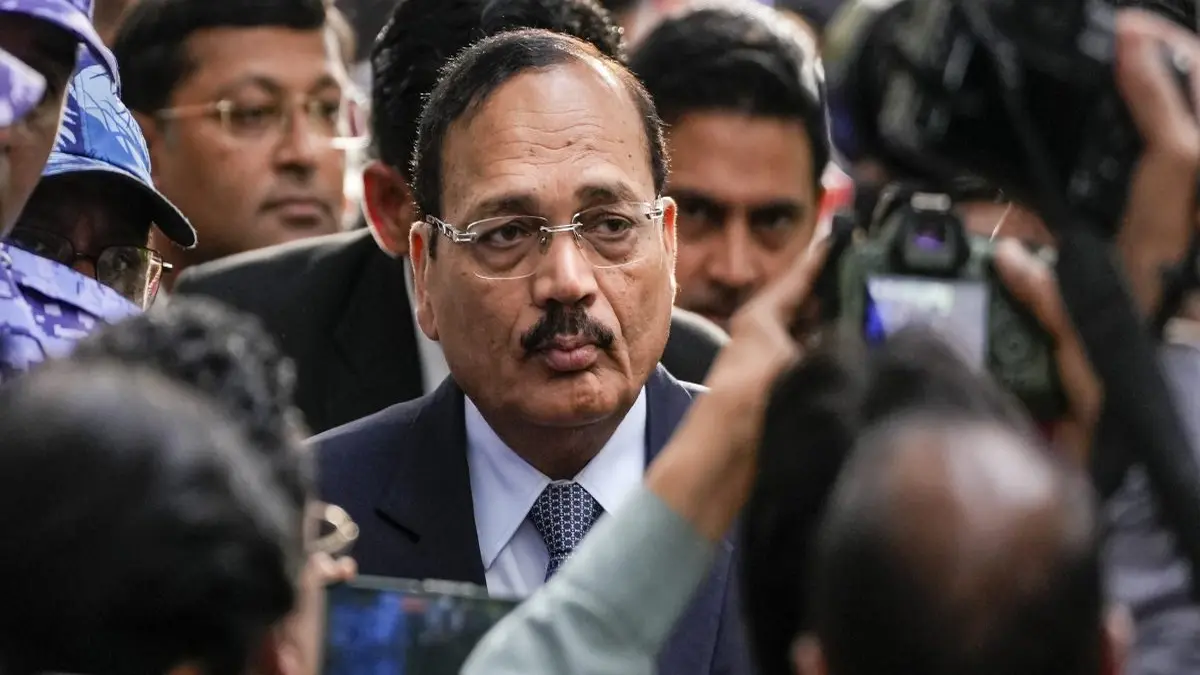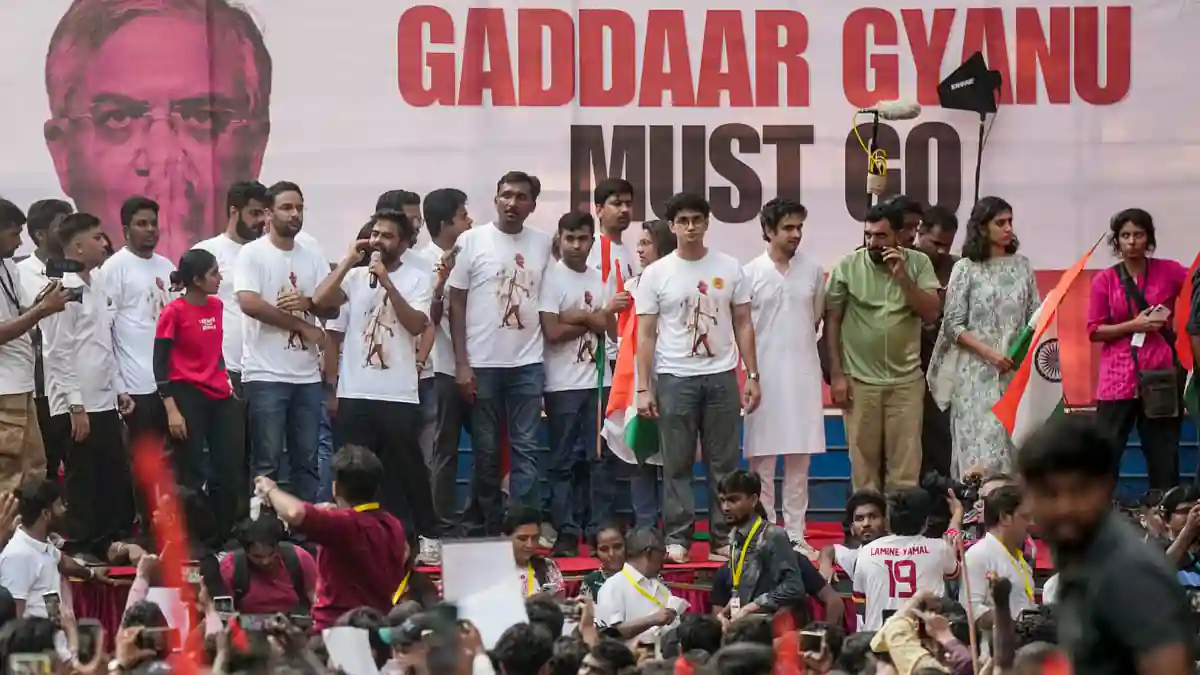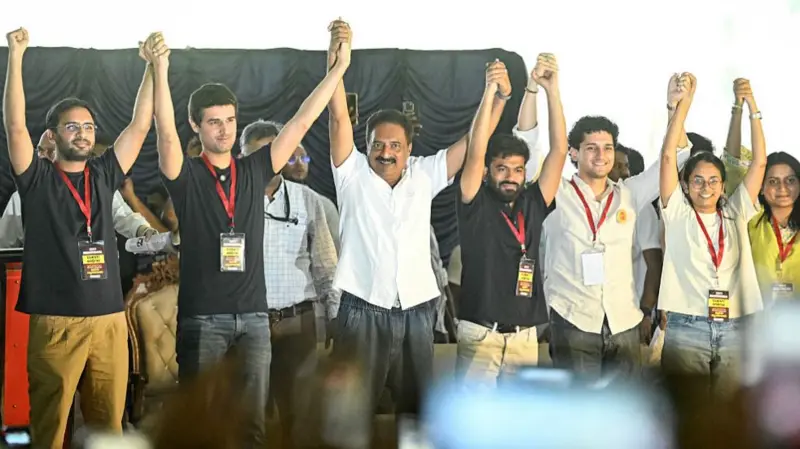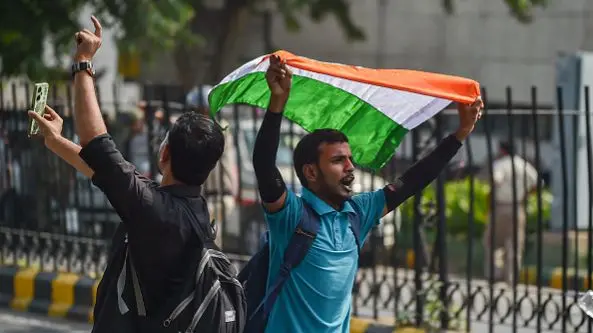
The political unrest was felt in Delhi on October 10, 2026, when the Cockroach Janta Party held a protest rally against the Chief Election Commissioner, Gyanesh Kumar.
This protest rally was to be held at Jantar Mantar, which is well-known as the location of most political rallies in India, and the organizers were holding this protest to compel him to resign due to irregularities during election list revising.
The reason why this protest rally got a lot of coverage nationally was due to the security measures taken, arrest of organizers and opposition members, and prohibition from the whole area in Delhi. Even though the Delhi Police had denied permission to the protest rally, yet the leaders of the CJP said their protests would keep continuing.
In the center of the debate lies the Special Intensive Revision (SIR) of the electoral rolls conducted by the Election Commission.
This activity is meant to make sure of the veracity of the list of voters and delete any duplicate, outdated, or otherwise invalid entries. Yet, opposition leaders claim that this procedure might lead to disqualification of valid voters from the electoral process.
As mentioned in Reuters, during the exercise about 130 million voter entries were deleted. It has been claimed that this large number of deleted entries makes one wonder about the validity of the electoral procedures and the possible disenfranchisement of valid citizens.
Despite denials of any manipulation made by the BJP and the Election Commission itself, the controversy has only increased the need for transparency in the electoral process.
The government put in place many security precautions before the demonstration was held. As mentioned by The Indian Express, over 23,000 people were mobilized, while 57 metro stations were closed down.
Barriers were put up by the police as well as checkposts. Mobile Internet services were cut in some parts of central Delhi, while there were traffic diversions as well as transport disruptions.
The Ministry of Home Affairs raised concern about possible law and order issues and instructed that preventive actions be taken. Authorities justified the steps taken as being necessary for the safety of the citizens and to prevent any disturbance. Nonetheless, the scope of these precautions raised the question if they were really necessary for the demonstration.
Things escalated further as police arrested the leaders of the CJP before they arrived at the suggested demonstration area.
According to Reuters, about a few hundred demonstrators were arrested; however, according to The Indian Express, as many as 2,000 individuals were arrested during the crackdown.
The leaders of the CJP, namely Abhijeet Dipke, Saurav Das, and Ashutosh Ranka, were some of those arrested.
Furthermore, the leaders of the opposition party, including Mamata Banerjee and Arvind Kejriwal, were reportedly arrested as well in connection with the protests.
Notwithstanding the restrictions imposed on them, several small groups of protestors managed to assemble in various places. Protestors reportedly moved to some places away from the protest site in an effort to carry on their protests.
These arrests were criticized by the opponents and protest organizers, asserting that political protests must be protected, as they are a peaceful activity.
The Cockroach Janta Party has gained more recognition due to its campaign against the leakage of exam papers. This campaign that lasted one month in July 2026 attracted much interest in the public eye, which resulted in the resignation of the then Union Education Minister, Dharmendra Pradhan.
Under the leadership of the organization's founder, Abhijeet Dipke, the movement later extended the scope of its activities.
The fight against the Chief Election Commissioner, Gyanesh Kumar, showed the new direction in the activities of the organization in the sphere of the electoral process.
The organization wanted to attract young people, students, and opposition supporters to the problem of voter list revisions. It was able to arrange demonstrations in different cities, which proved how effective such youth campaigns can be in mobilizing public opinion.
In view of the occurrences that took place in Delhi, it is important to appreciate the tricky balance of maintaining public peace while at the same time ensuring the right of peaceful protest.
It is important for the government to ensure crowd control and minimize violence. On the other hand, democracy demands the ability of citizens to protest against any public institution.
The matter at hand also brings out the significance of the electoral process being done in a transparent manner.
The voting eligibility process should be carried out properly, and citizens should be able to access their records of eligibility. They also need to be able to report errors in the deletion of their names from the electoral list.
It is unclear whether the protest will bring about changes in the institutions concerned.