The Monsoon Session of Parliament marked its eight day on Wednesday when the Lok Sabha managed to pass an important bill amid an ongoing protest by the opposition against the government's management of student protests.
The passing of the paper-leak law amendment bill was the biggest story of the day, but not without being accompanied by some of the most intense political squabbles of the session thus far.
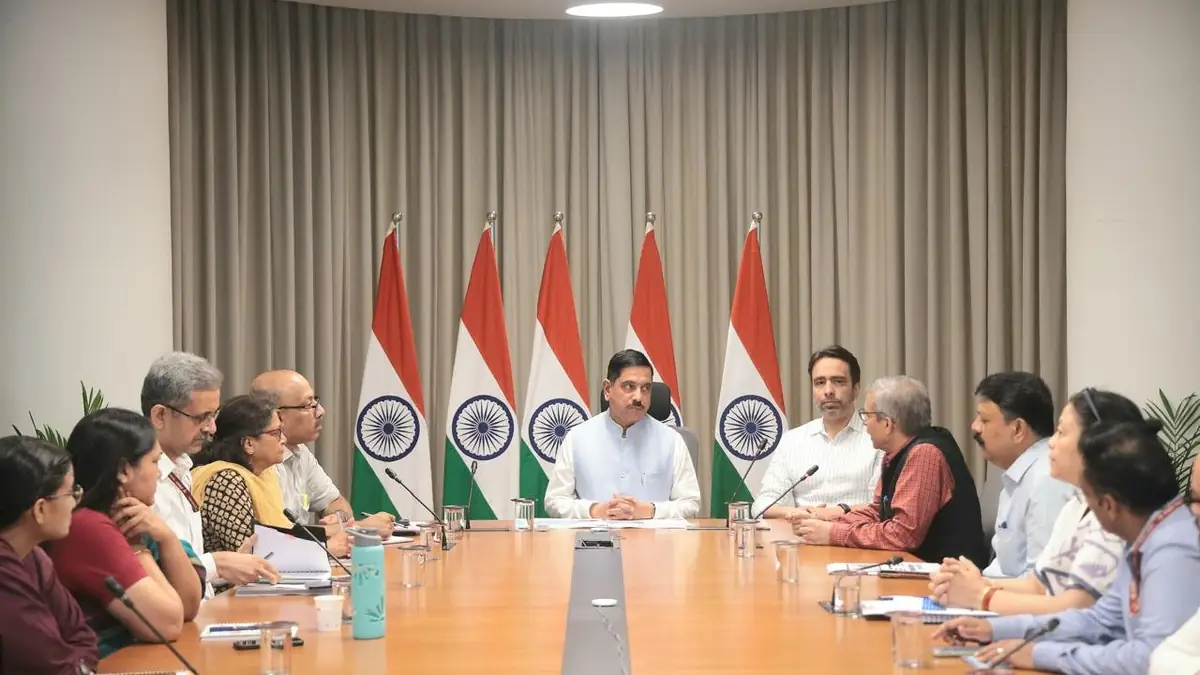
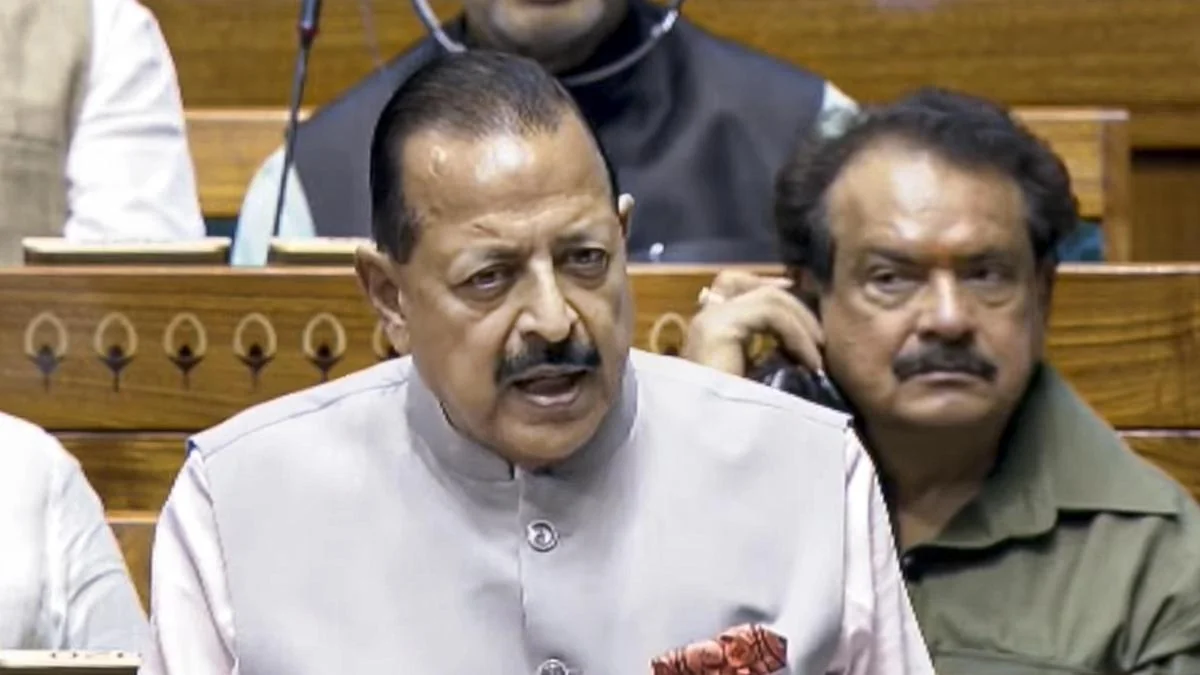
The bill that amends the “Public Examinations (Prevention of Unfair Means) Bill, 2026” has been passed by voice vote in the Lok Sabha. The bill amends the law that has already come into force in 2024. Jitendra Singh, Union Minister, who introduced the bill to the parliament on 27 July, reintroduced it for passage on Wednesday.
The bill increases the penalties for those guilty of committing offenses related to the examination paper leak by recommending imprisonment of up to ten years and a fine of ₹50 lakh.
Speaking on the bill, Singh said that the bill shows the ability of the government to learn from experience after enacting the previous one in 2024. He further stated that the suicide deaths related to the stress of examination and cheating are among the reasons behind the increase in the penalties in the bill.
He pointed out that 52 FIRs have been filed under the previous bill since its enactment.
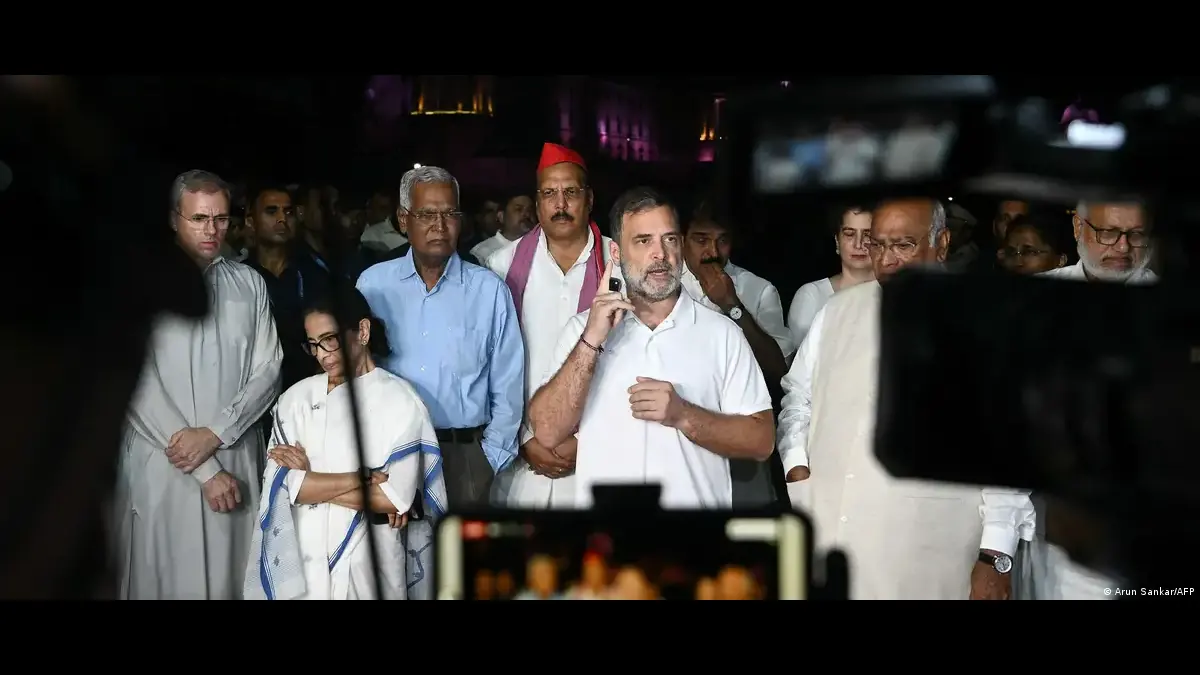
The passing of the bill did not take place in a cool House. The proceedings started at 11 am, and the very first question that arose from the Opposition was about the non-presence of the Prime Minister, Narendra Modi, and Home Minister, Amit Shah, in the House, leading to an immediate adjournment of the proceedings within five minutes, after which the House reconvened again at 12.
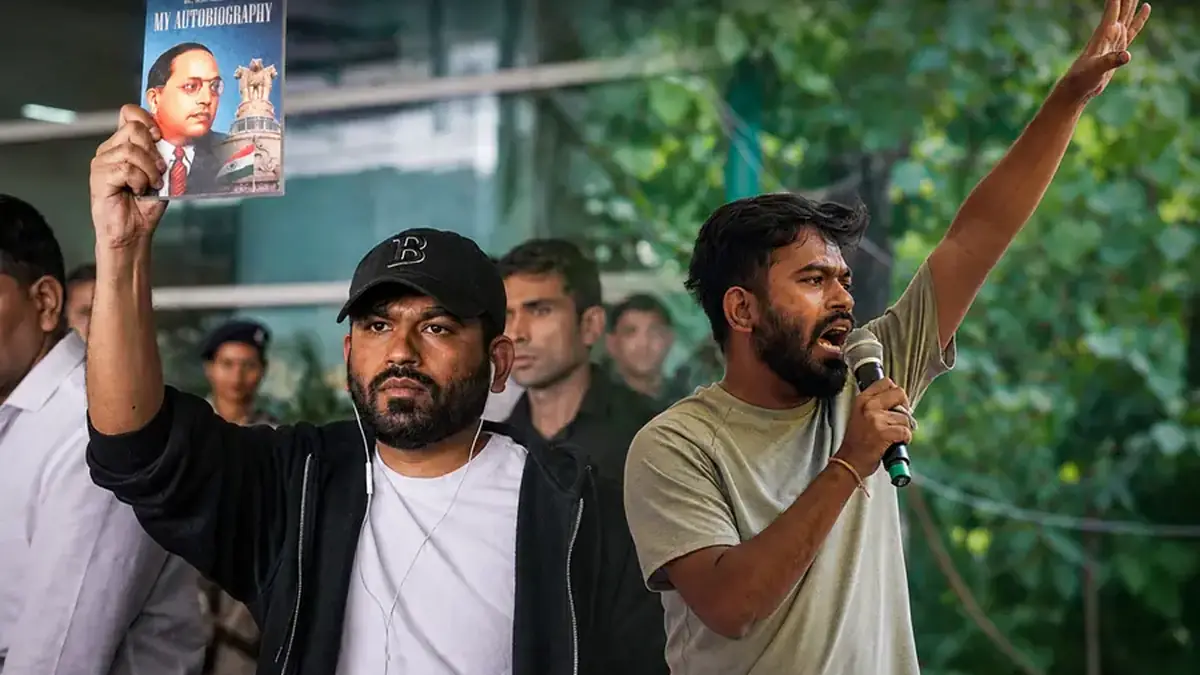
This trend of conflict continued throughout the day, where slogans and protests accompanied most of the debate over the bill. By early afternoon, the debate about the anti-paper leak bill was already becoming entwined with the much bigger political issue, namely, the government’s handling of the protests against NEET.
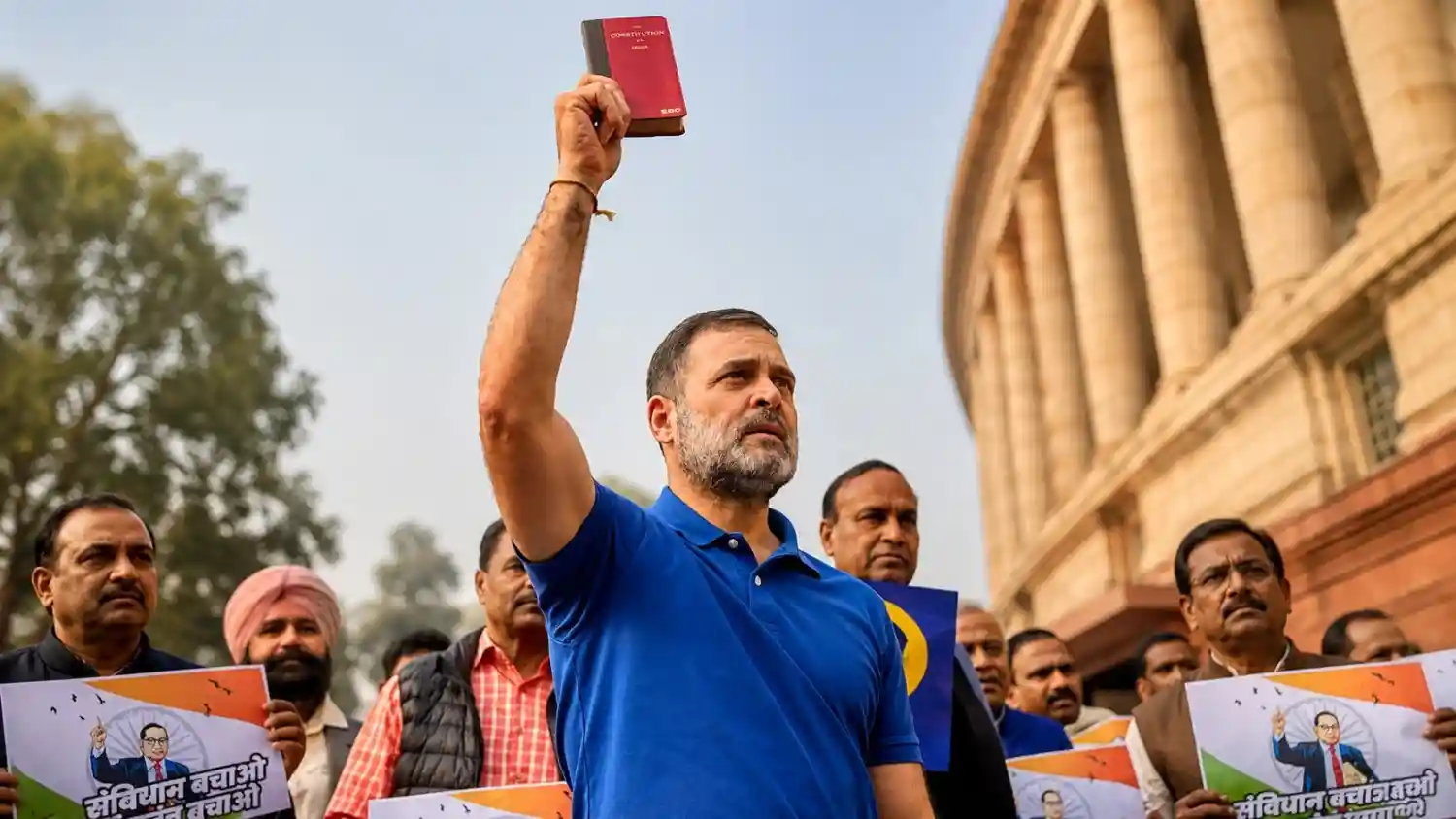
The opposition leader, Mr. Rahul Gandhi, made use of this discussion to criticize the government. According to Rahul Gandhi, the whole education system of the country is under the influence of Rashtriya Swayamsevak Sangh.
He stated that the real culprit behind the prevailing turmoil in the minds of students is not the Education Minister, Dharmendra Pradhan, but Rashtriya Swayamsevak Sangh, which is silencing them and demanding their blind faith. His statement led to an instant reaction from the treasury benches.
The Minister for Parliamentary Affairs, Kiren Rijiju, asked the leader of the opposition to provide evidence for his allegation, and the Defense Minister, Rajnath Singh, asked the speaker to delete the un-Parliamentary language of the leader of the opposition from the record.
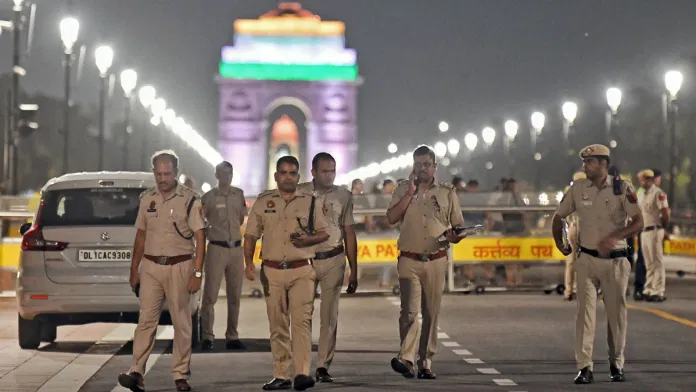
The Opposition's wrath was mostly centered on how the police conducted themselves at the protests by NEET students, with legislators demanding answers from the government about if the use of force had been disproportionate against the students.
According to Jitendra Singh, there were no allegations because the bullets had not been used and no order to shoot had been given to the police. He also stated that the police had not done anything but use tear gas and under any normal circumstance, an order to shoot comes from magistrates and not the police on the scene.
Union minister J.P. Nadda was on a separate occasion trying to defend the actions of the police, saying that it was their right to do so in case of protests which seemed like they would get out of hand. All through the day, the government claimed that its measures in dealing with the issue of exam malpractices were justified.
After the bill received clearance through voice vote, the Lok Sabha took an adjournment for the day, its next sitting being scheduled to commence at 11am on Thursday, July 30.
This trend of getting the bill cleared in the midst of commotion instead of prolonged debate has been a characteristic one of this Monsoon Session in the manner in which several other bills have been introduced and debated in the house this year. Nevertheless, the government succeeded in clearing a bill which they considered to be a priority for themselves, thus providing themselves with a legislative victory despite the fact that the day’s proceedings were marred by political drama.
However, the reasons for implementing the amendment transcend issues concerning procedural matters. Leaks have come to be a frequent and politically sensitive phenomenon in the country, damaging the credibility of tests used for gaining entry into medical colleges, public sector organizations, and other prestigious posts.
The original 2024 legislation was enacted in reaction to a series of leak scandals, and the NEET-UG case that triggered recent demonstrations on the part of students is viewed as the direct cause of this year’s amendment.
Through increasing the penalty to ten years imprisonment and heavy monetary fines, the authorities are trying to ensure that the amendment is stricter than the original legislation, although there is an opinion that more severe punishments are unlikely to solve the problem as long as its deeper roots are untouched.