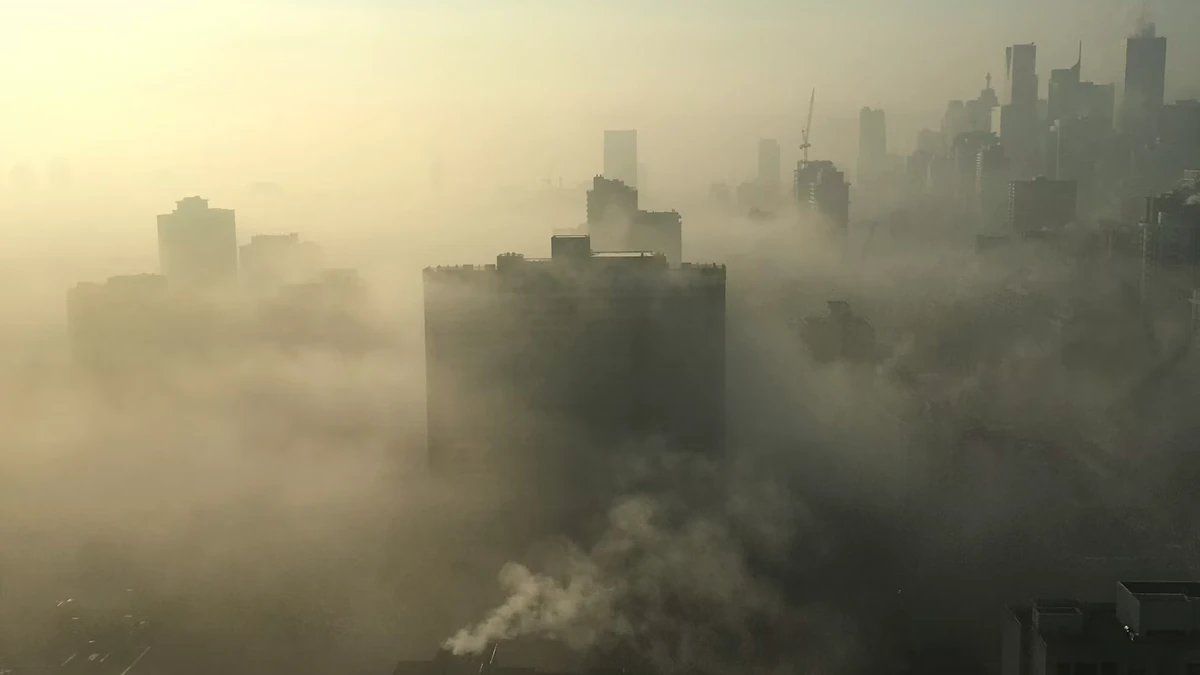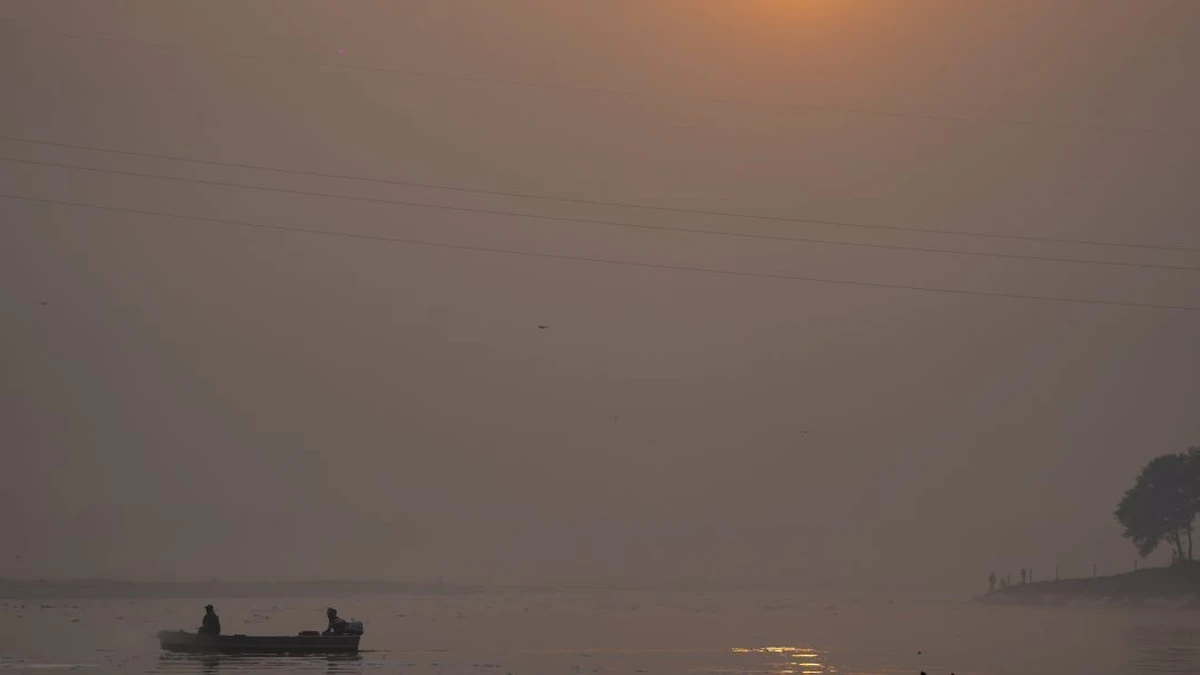
Delhi woke up on Friday to an AQI of 389, deep in the 'very poor' band. Forecasters expect the city to slip into 'severe' before Diwali arrives on Sunday. The Central Pollution Control Board reading was taken at 8 am, and several parts of the city were already above 400.
The speed of the change is what stands out. October was the cleanest in more than a decade, with an average AQI of 167 and heavy rain that pulled the index down to 60 on October 30. Within days the city was 'very poor' for the first time this season. The 24-hour average hit 377 on Wednesday, up from 350 a day earlier and the worst reading in 288 days. Twenty-two of the 59 stations logged 'severe' air that day. Mundka touched 439. On Thursday morning Jahangirpuri read 448 and IIT Delhi 458.
Numbers differ between reports because hourly station readings swing far more than the 24-hour city average used for official categories. On Tuesday, for example, the 8 am city reading was reported above 450, while the day's 24-hour average came in at 350.
Farm fires are a big piece, though not the only one. The Decision Support System put stubble burning at 20.2% of Delhi's pollution on Wednesday, with transport at 15.5%. ICAR-IARI's CREAMS Laboratory counted 4,800 residue-burning events across seven states and Union Territories between September 15 and November 4, and satellites picked up 467 fires across six states on November 4 alone. Fire counts are reportedly lower than in earlier years. The air has worsened anyway.
The same model expects the farm-fire share to be around 19.2% on Friday, then drop to about 1.6% on Saturday while vehicle emissions climb to roughly 21.1%. The weather department has forecast clear skies and shallow morning fog for the next few days, which tends to keep pollutants close to the ground.
The Commission for Air Quality Management invoked Stage II of the Graded Response Action Plan across the NCR on Monday, November 2, after the daily average crossed 300. Stage II runs on top of Stage I. It covers curbs on coal, firewood and diesel generator sets, more road sweeping and water sprinkling, and added public transport. Under the plan's bands, 'severe' readings between 401 and 450 correspond to Stage III, so another escalation is possible this weekend if the forecasts hold.
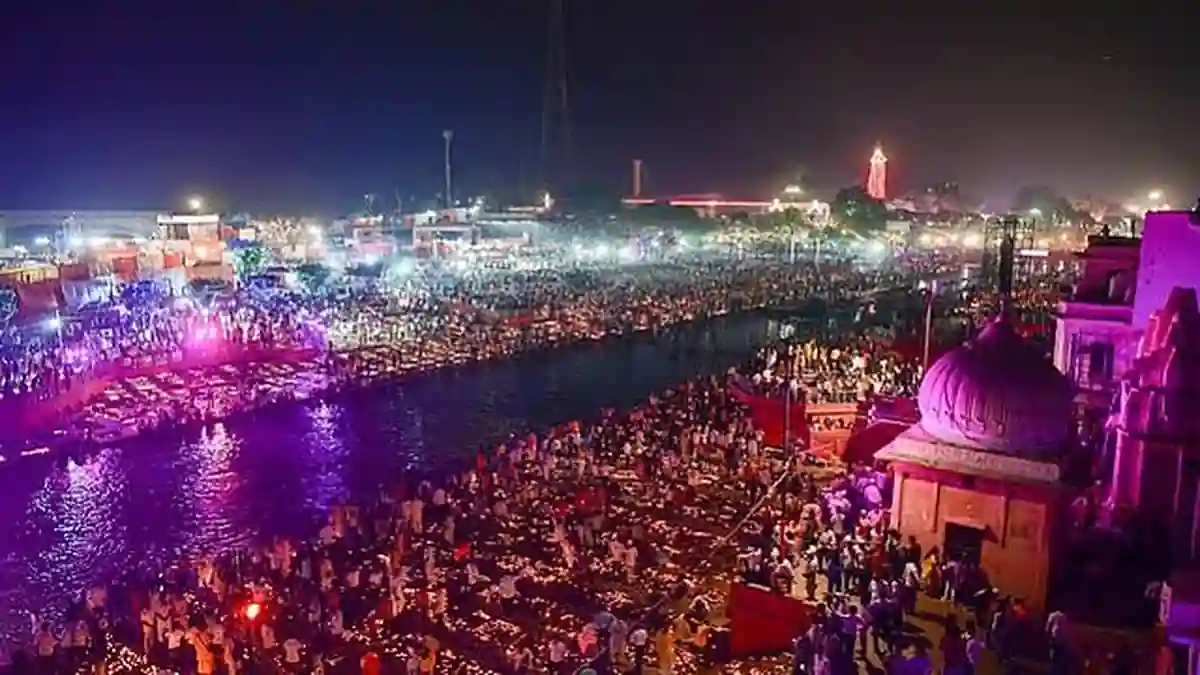
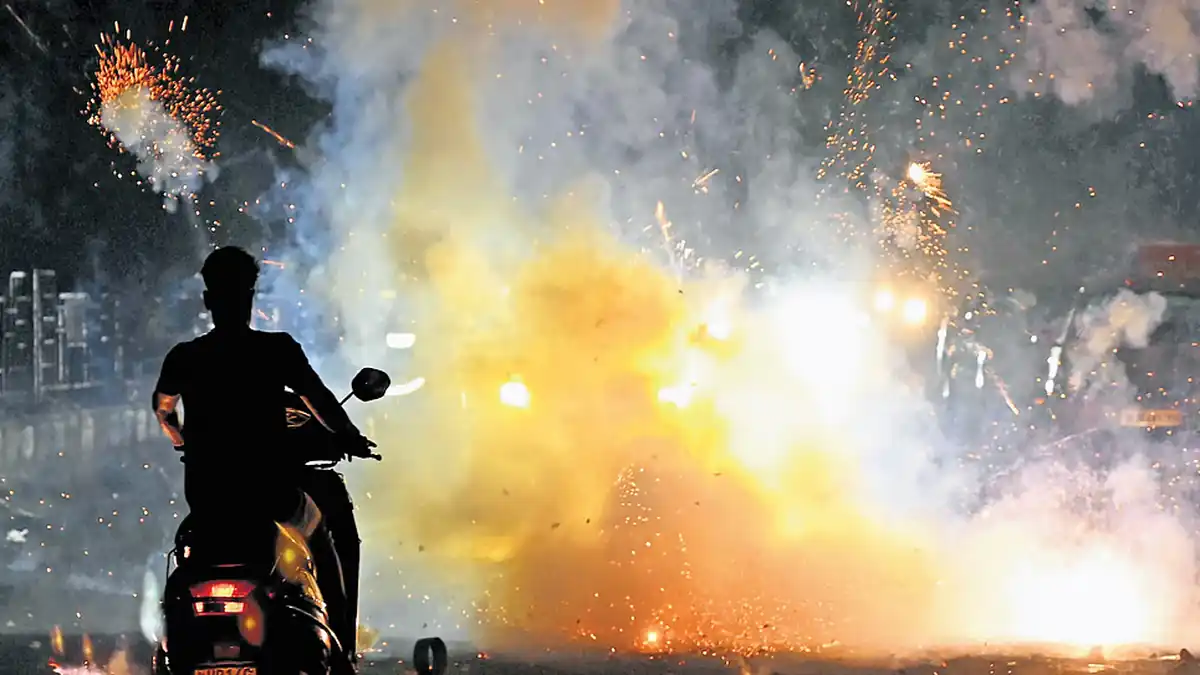
On firecrackers, the Supreme Court has permitted certified green crackers in Delhi-NCR on November 7 and 8, from 6 am to 7 am and from 8 pm to 10 pm. Sales were allowed from November 4 to 6. Products must be CSIR-NEERI approved and carry QR codes. They are barred near hospitals and in silence zones, authorities have been told to stop conventional crackers from entering the region, and the complete ban comes back on November 9.
Last year's record is not encouraging. Under a similar relaxation, the index read 335 on Diwali morning and 377 two days later, and doctors reported a rise in respiratory cases while many residents ignored the ban.
The Delhi government has carried out two cloud-seeding trials in the past fortnight, both near the airport, working with IIT Kanpur, according to The Tribune. It is weighing attempts on two or three dates in the coming days, Chhath included. No official announcement is expected before Diwali. Reports say the flights went higher than last year's.
Last year's attempts produced no rain over the capital. IIT Delhi's Shahzad Gani said at the time that there was no evidence seeding without rainfall could improve air quality, and that Delhi's dry, stagnant winter air makes seeding hard to pull off.
AAP's Saurabh Bharadwaj has alleged that water is being sprayed on monitoring stations and that 20 new stations were added in greener areas to pull the average down. He has filed a formal complaint against the Delhi government. The claims could not be independently verified, and a government response was not available at the time of publication. AAP has also accused the BJP of celebrating while the city struggles to breathe.
Delhi Environment Minister Manjinder Singh Sirsa, meanwhile, has disputed Punjab Chief Minister Bhagwant Mann's claims about paddy harvesting and said stubble burning is hurting the capital's air.
PM2.5 particles, smaller than 2.5 micrometres, slip past the nose and throat, reach deep into the lungs and can enter the bloodstream. People with asthma or heart and lung disease, older adults and young children face the highest risk. The usual advice applies: N95 masks outdoors, air purifiers indoors and less time outside.
The forecast calls for 'severe' air on Friday and Saturday. Diwali is Sunday. The firecracker ban returns Monday.