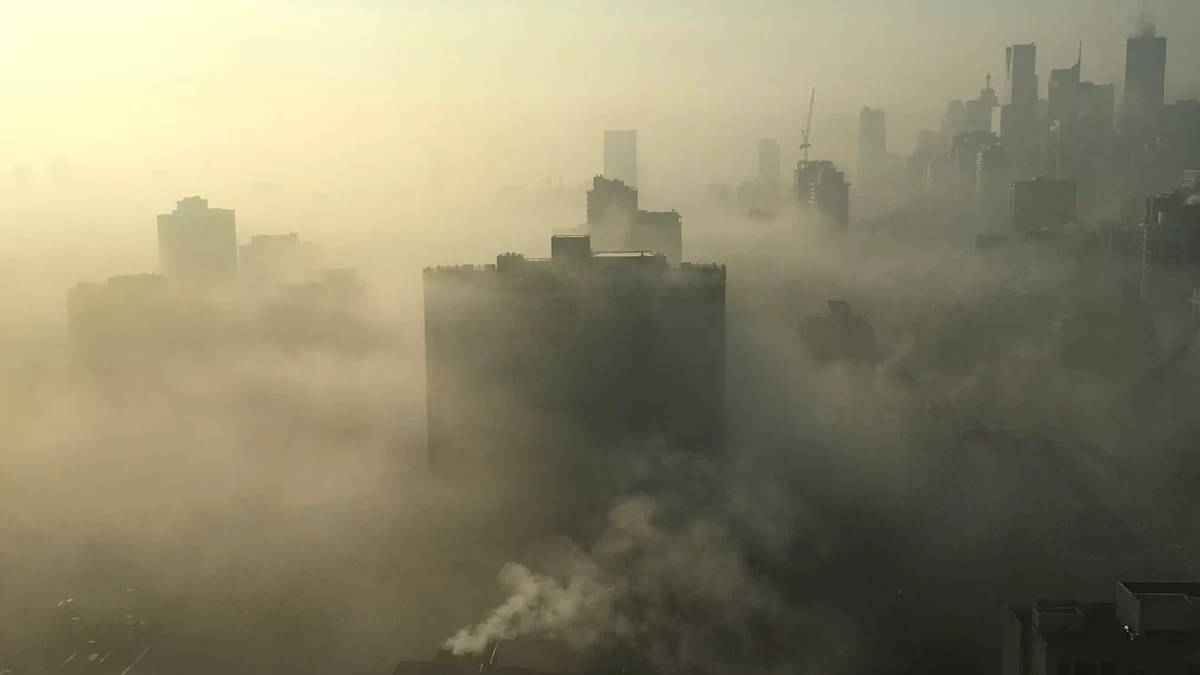
On September 28, 2026, Delhi Environment Minister Manjinder Singh Sirsa presented an action plan of restrictions on the pollution during the winter season with regard to construction activities, transportation, office attendance, and parking.
The government has planned this action plan far in advance to give enough time to the people and business community to make arrangements accordingly. This is a major shift from the earlier practice of reacting to emergency situations because of the smoke.
Construction work, which creates dust, and demolition activities are banned from November 1, according to sources. However, the ban period is mentioned differently by two sources—one mentions January 31, while the other mentions February 28.
An absolute ban on all kinds of construction and demolition activities will be imposed from December 10 until January 20, which is the most sensitive period from the pollution point of view. In addition, vehicles carrying construction material like sand, gravel, cement, etc., coming from outside of Delhi will be banned during this period, says The Tribune.
The offices would have to function with half the staff physically present, while the other half works from home. There will be an exemption for essential services. There will also be a staggered schedule for offices to avoid congestion during peak hours.
Offices under Municipal Corporation of Delhi would work between 8.30 am to 5 pm, while those under Delhi government would function between 10 am to 6.30 pm.
Vehicles that are registered out of Delhi but do not have BS-VI compliance will not be allowed in the city or inside the city. There is some confusion regarding the end date, and two reports give different dates—January 31 and February 28.
Exceptions to this ban include CNG, electric vehicles, ambulances, fire tenders, police vehicles, and other similar emergency vehicles.
Parking fees will be doubled for authorized parking facilities from November 1 to discourage use of private transport.
Petrol, diesel, CNG, and LPG pumps in Delhi will now provide fuel only to vehicles that have a valid PUC certificate, reports the Free Press Journal.
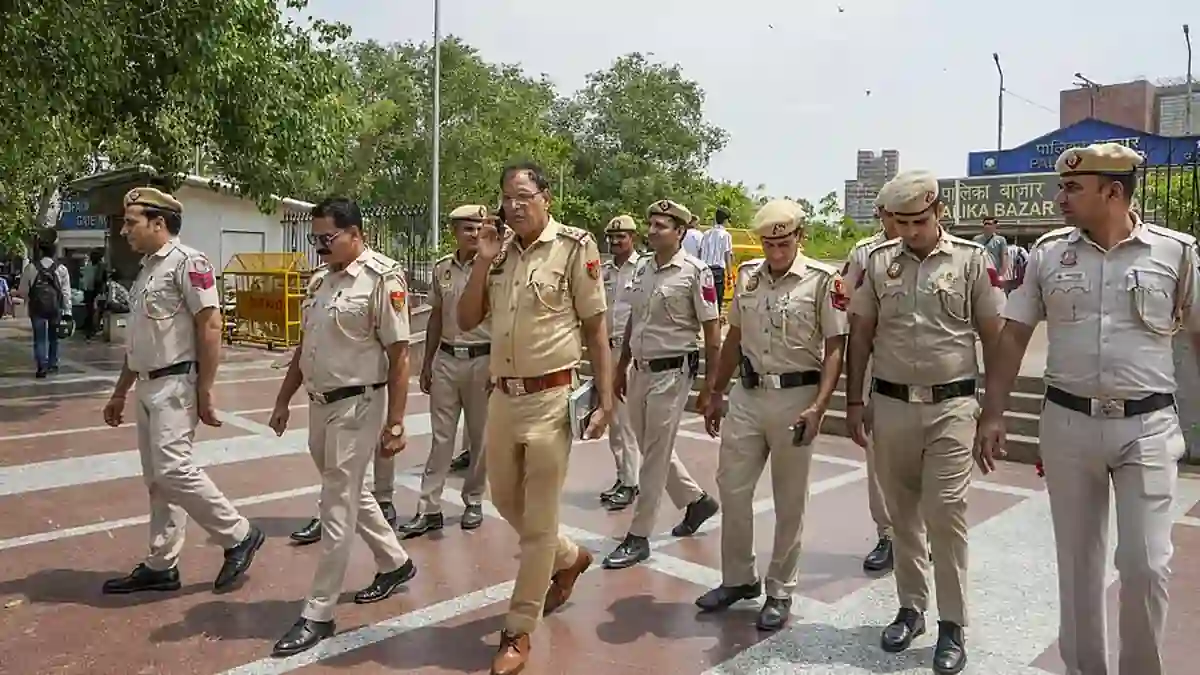
Physical inspection of vehicles, Automatic Number Plate Recognition (ANPR) cameras, and a digital database of vehicles will be used for enforcing the law.
It was enforced in Delhi from December 2025 onwards, and there were 126 checkposts at that time manned by 580 policemen.
As stated by the Centre for Science and Environment (CSE), the main reason behind pollution in Delhi in the winter season is due to emissions from vehicles. This is one of the reasons why the scheme has focused on commuting, parking, fuels, and construction dust.
In winter, pollution in the city is caused by vehicle emissions, construction dust, industry activities, and even low winds and temperature inversion.
According to Sirsa, out of 62 hotspots of pollution, 42 hotspots have been put under control. Further, he added that for 2026, the development of 3,065 km of road has been planned by the government, of which 1,193 km has already been developed until the 20th of September, while the remaining 1,872 km is scheduled to be developed in the future.
Ministers, MPs, and MLAs like Rekha Gupta, chief minister, and Bhupender Yadav, environment minister ofthe unionn government, would be visiting the hotspots, according to Sirsa. Further, officials are also identifying activities around 3 km from the hotspots like crematoriums, dumpsites, and cement lifting sites.
The regulations coexist with the Graded Response Action Plan (GRAP), which is an emergency plan involving the implementation of more stringent measures depending on the deteriorating air quality.
As per reports by Reuters, last year in December, when the air quality was in the “severe” category and even exceeded 450, the Commission for Air Quality Management activated the highest level of the GRAP plan. Construction work was banned in Delhi, while office attendance stood at 50%, and workers of the sector got ₹10,000 each.
However, as stated by The Tribune, “enforcement may prove crucial since it will be about consistency of the guidelines at construction sites, entry points, parking lots, and fueling stations whenever the pollution levels soar.”
Moreover, some other points, such as the period during which the fuel-linked PUC guideline will continue to be applicable, still need clarification.
The measures are expected to come into force starting November 1. The agencies have been instructed to start preparing for checkpoints, monitoring teams, and camera enforcements prior to that.