Democrats took both chambers of Congress on Tuesday night, and the size of it caught out even people who had been forecasting a bad evening for Republicans. By Wednesday morning the party had crossed the 218-seat line in the House and was sitting near 54 seats in the Senate, according to network tallies. Two years ago Donald Trump returned to the White House with a Republican Congress behind him. That arrangement ended overnight.
Republicans went into the cycle believing their Senate majority was safe. The map looked friendly. It stopped being friendly around the time results started arriving from places like Kansas.
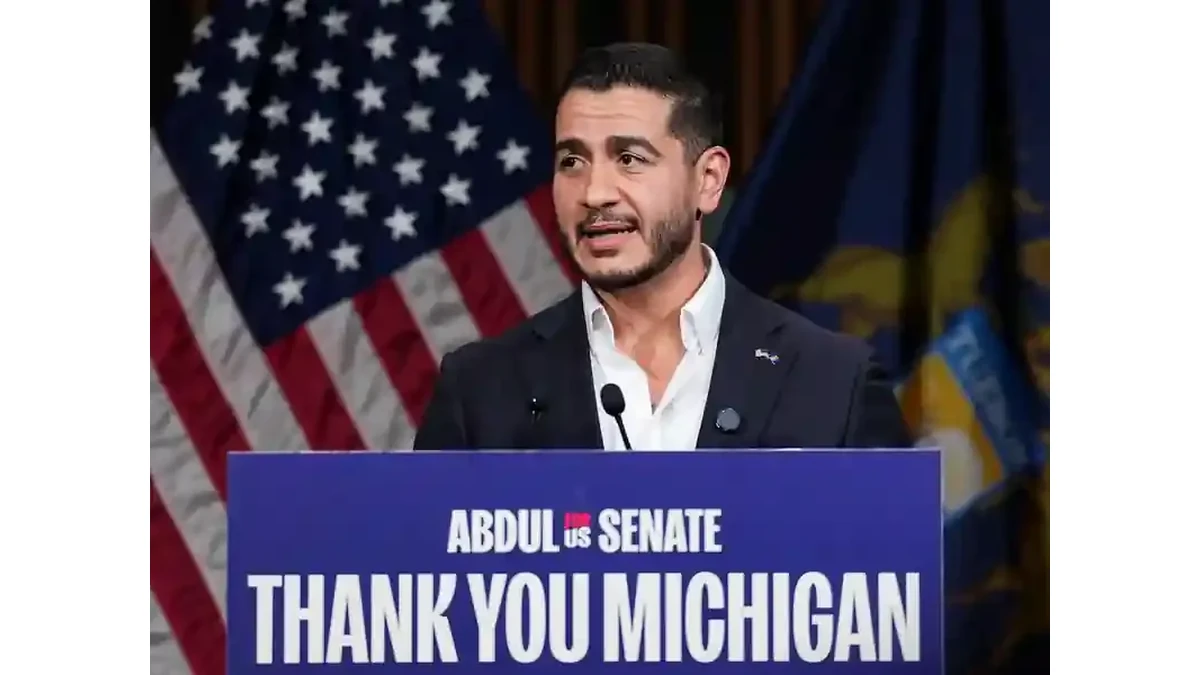
Adam Hamilton beat Sen. Roger Marshall there and will become the state's first Democratic senator since 1932. In Texas, James Talarico defeated Ken Paxton, in a state where no Democrat had won statewide office in more than three decades. Trump had endorsed Paxton and helped him knock out incumbent John Cornyn in the primary, which Republican officials warned could cost the party. It did.
Annie Andrews upset Sen. Darline Graham in South Carolina. Sherrod Brown took Ohio from Sen. Jon Husted. Roy Cooper won the open seat in North Carolina. Josh Turek beat Rep. Ashley Hinson in Iowa. Even Susan Collins of Maine, a veteran of tough races, lost to Democrat Troy Jackson.
Alaska is the loose end. The Trump administration has filed a lawsuit aimed at blocking certification if Republican Sen. Dan Sullivan loses, pointing to a second candidate with the same name on the ballot. Mississippi was too early to call as of Wednesday.
In the House, Democrats reached into territory Trump carried comfortably. Early Wednesday tallies showed them flipping at least 27 seats while Republicans flipped none, though more than 60 races were still uncalled, according to The Washington Post. Iowa had an all-Republican House delegation going in. Democrats will now hold three of its seats.
The Republican redistricting push, which aimed to squeeze up to nine extra seats out of Texas and Florida, fell short in both states.
The AP Voter Poll paints a sour electorate. About three-quarters rated the economy as not so good or poor. Roughly eight in ten said inflation had caused their household moderate or severe hardship. Around half called government corruption and the cost of living crucial to their vote, ahead of immigration enforcement, the war in Iran and AI data centers. About six in ten said Trump puts his own interests ahead of the country's.
Latino voters moved too. Only about a third of Hispanic voters said they backed the Republican in their House race.
One caution from the same poll: Democrats did not win a popularity contest. Just under half of voters viewed the party favorably, against about four in ten for Republicans.
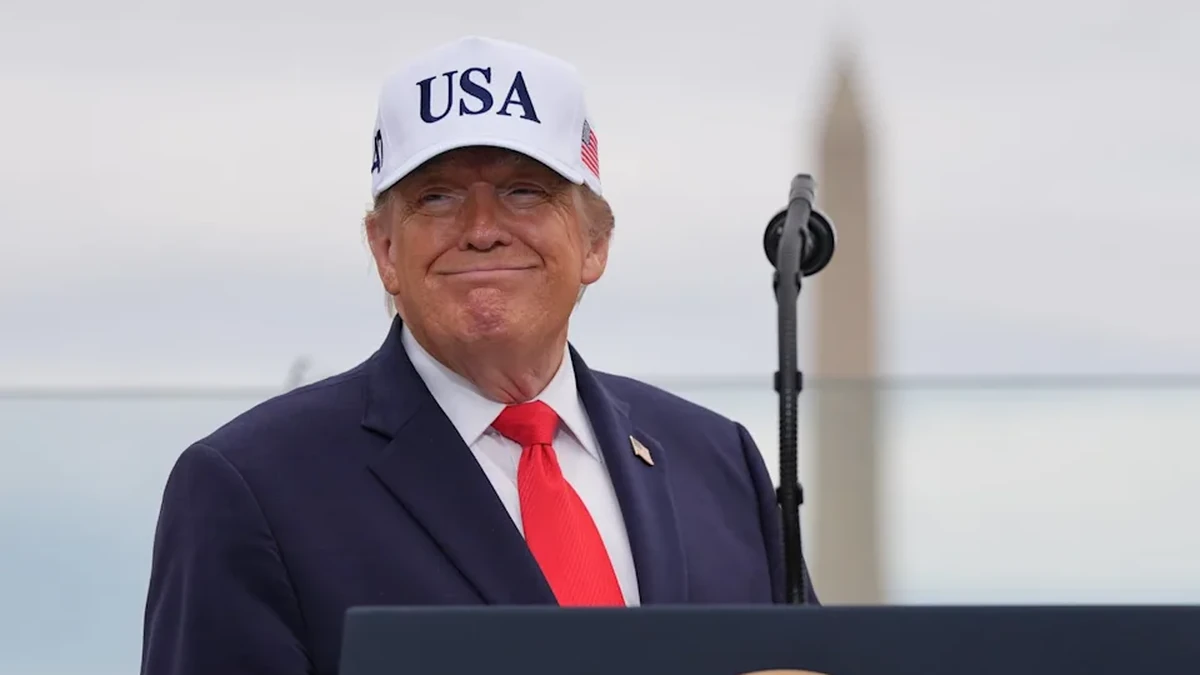
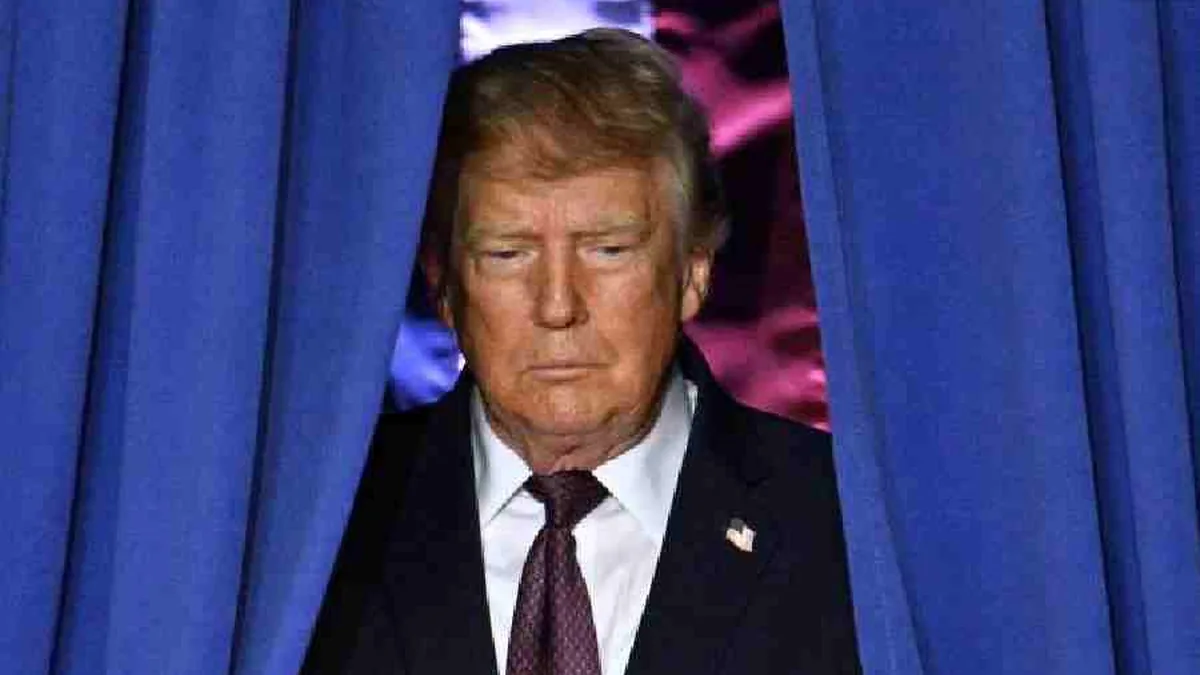
Trump posted that he had not been on the ballot, despite spending the final month at rallies asking voters to treat it that way. He also vowed to veto Democratic bills. In a late interview with Fox News he said he would accept the results, a notable line after weeks of warnings about noncitizen voting and lawsuits in Alaska and California.
Senate Majority Leader John Thune said Republicans would work with the president to block what he called Democratic extremism.
Democrats have a different list. Party leaders signaled investigations into senior administration officials and scrutiny of how the president's family has profited from office. Impeachment has not been ruled out. Hakeem Jeffries, in line to become the first Black Speaker, has laid out a 100-day agenda built around lowering costs and tougher oversight of the administration.
Governors' races went the same direction. Gina Hinojosa unseated Texas Gov. Greg Abbott. Keisha Lance Bottoms won in Georgia, and Amy Acton beat Vivek Ramaswamy in Ohio. Byron Donalds won Florida, becoming the state's first Black Republican governor.
Delhi has been watching this one closely. The two countries announced a framework for an interim trade deal in February, including an 18 per cent tariff on specified Indian goods, but nothing has been signed. Finance Minister Nirmala Sitharaman recently described the talks as having hit a plateau.
Bloomberg reported that Indian officials see some breathing room, since a bruised Trump has less leverage to push terms New Delhi finds unfavorable. Business Standard noted that a Democratic Congress could also limit a president's ability to impose reciprocal tariffs on his own.
The risks run the other way too. Trade analysts cited by Khaleej Times pointed out that both parties lean protectionist, and that a president short on wins at home might lean harder on India for a quick agreement. The US remains India's largest export market, with goods exports of $42.79 billion in April to August.
H-1B visas and defence ties are also expected to draw more congressional attention. Four Indian-American Democrats held their House seats, and Pia Dandiya made history in Florida.
Alaska and Mississippi decide whether the Senate majority ends in the mid-50s or higher. The House count is still moving. The new Congress takes its seats in January, and the Alaska certification fight may reach court before that.