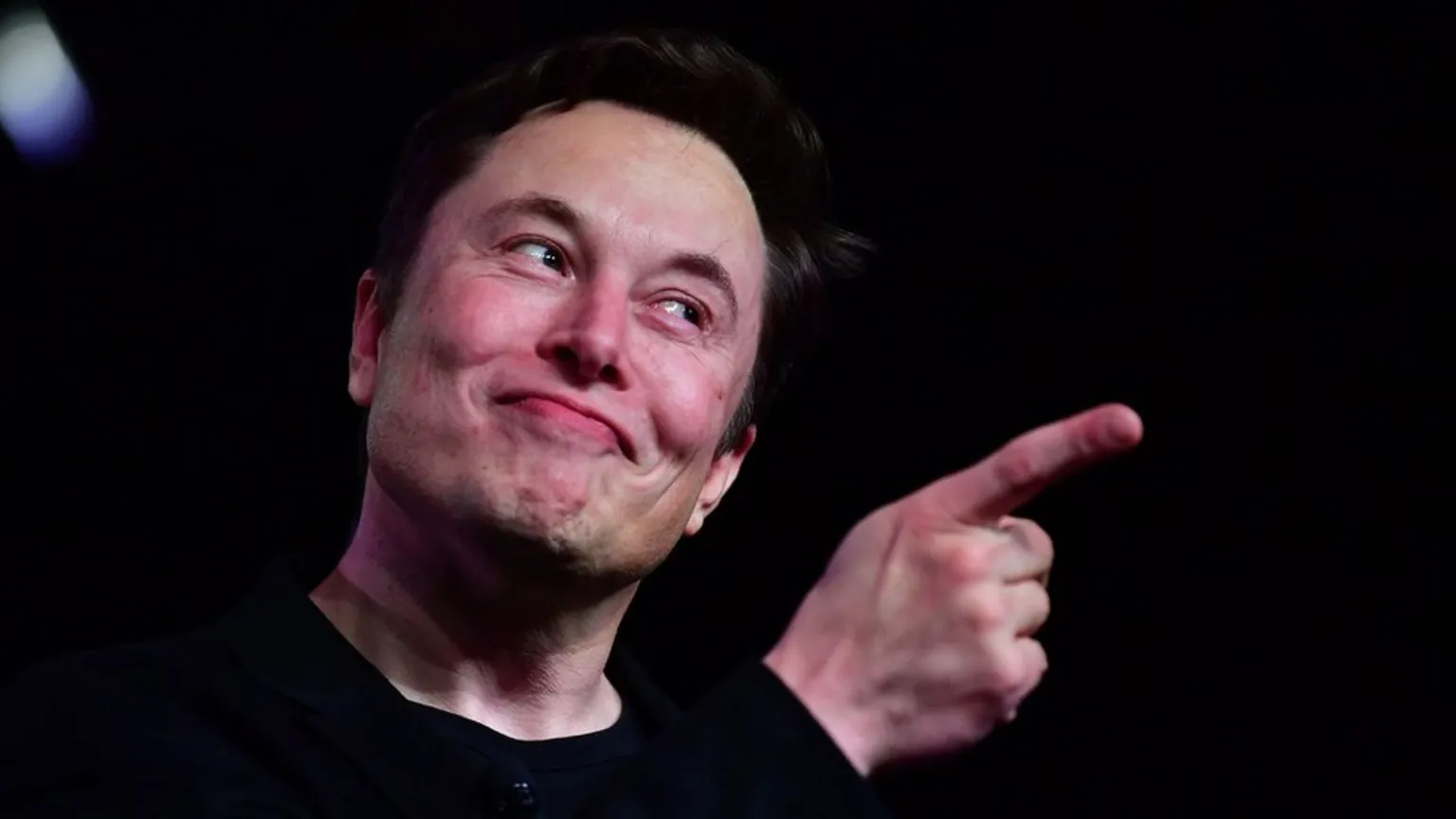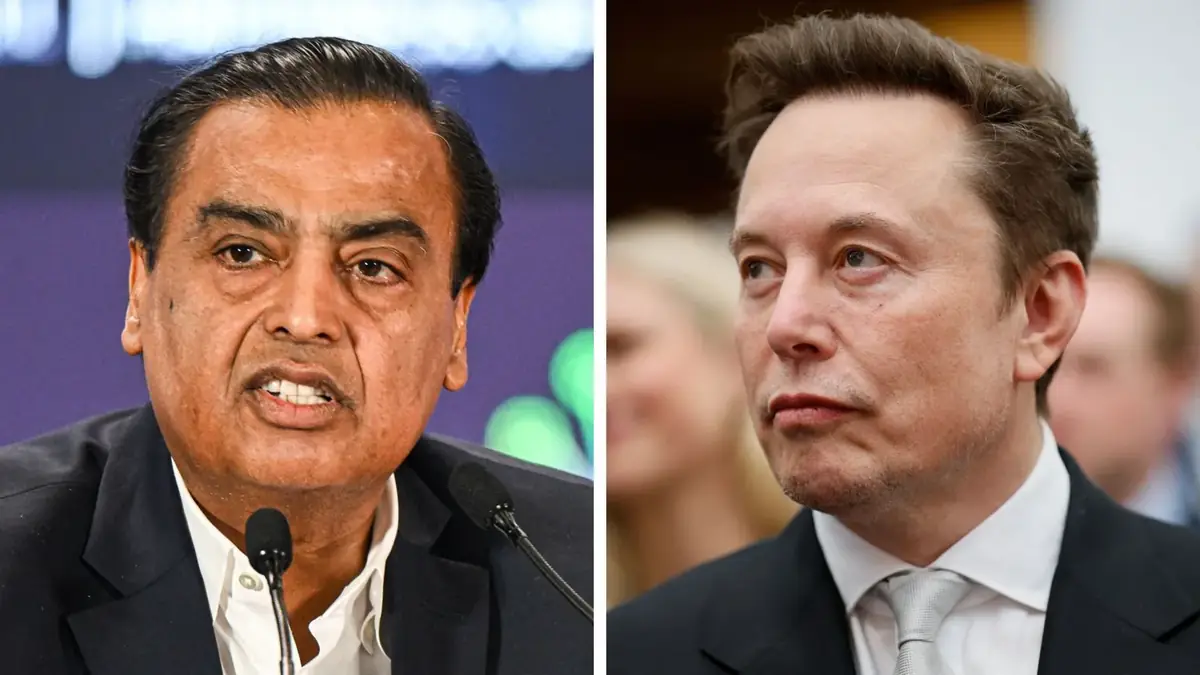
Elon Musk escalated a controversy over the delay of the launch of Starlink in India this week, making a regulatory issue into an attack on Reliance Industries chairman Mukesh Ambani personally.
In the early part of the week, Musk accused some unnamed “oligarchs” in India of preventing the launch of Starlink in India so as to maintain a monopoly on internet usage in India. On October 8, 2026, he escalated his attack by naming Mukesh Ambani as India’s real boss.
In the meantime, on Friday, October 9, Musk made his attack even more acute, sending an open letter to "Prime Minister Ambani" with an apology for not having understood who was running the country and asking him to take into account the possibility of giving Starlink access to its market rather than keeping its monopolistic control over the Indian consumers.
While Ambani does not occupy any official position in the government, he is the owner of the company operating Jio, the biggest mobile carrier in India, and has one of the biggest fortunes in Asia.
The Indian Ministry of Communications denied the claims of Musk, calling them unsubstantiated. They claimed that three satellite communication operators, namely Starlink, Reliance Jio, and OneWeb India Communications, had already been licensed and were undergoing security assessments.
There has been some information that no evidence has yet been produced showing that either Ambani or Jio is the reason for the delay of Starlink's services.
The political response was mild but direct.
The opposition leader Rahul Gandhi responded to Musk's tweet with just one line that greeted him into India, and PM Narendra Modi, who has lobbied Musk for investment through Tesla and Starlink projects, wisely decided not to get involved in the debate.
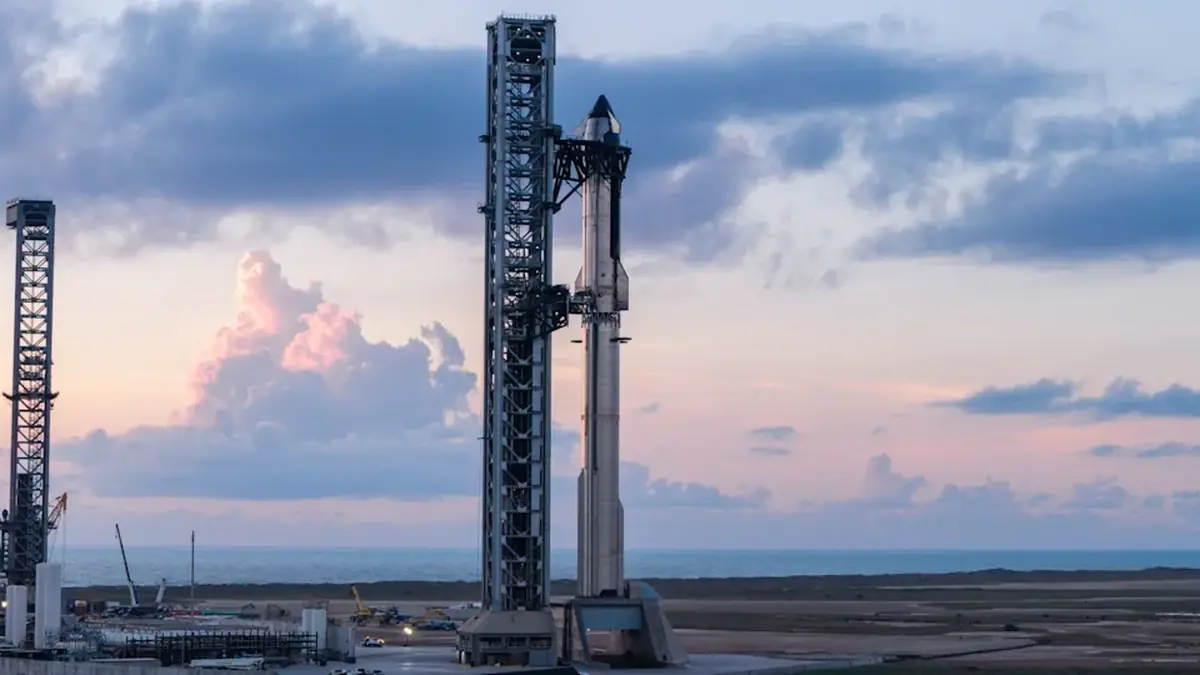
While the two billionaires trade barbs, there is a real battle of commerce going on. Jio plans to launch its own constellation of around 1,600 satellites, which is estimated by the industry experts to cost between $10 and $15 billion.
The project aims to achieve a capacity of up to 5 terabits per second over India, as compared to the 600 gigabits per second that has been approved by Starlink, making an almost eightfold difference theoretically.
However, the time frame suggests that it will be several years before Jio becomes a direct competitor for Starlink, but it also means that Reliance has found a way to develop satellite broadband services without relying on SpaceX in the long term.
There have been other instances where there has been no rivalry between the two. While Jio and Airtel had been against Starlink getting access to satellite spectrum at a lower cost than they had paid during auctions for several months, both operators agreed to sign deals with SpaceX in March 2025.
As per the deal with Jio, the company would sell Starlink equipment through its retail stores and install it on behalf of SpaceX, as long as the latter gets necessary authorizations in India.
This history puts Musk's latest claim into context because even the company owned by Ambani has consented to distribute the very same service that is claimed to be blocked. The company Jio also entered into another agreement in 2022 about a satellite broadband project with the Luxembourg-based company SES.
India is one of the biggest markets in terms of internet connectivity, and Jio alone connects several hundred million consumers, anywhere from 440 million to over 520 million users based on different sources.
Well-established telecommunications firms such as Jio and Airtel are providing services to the majority of users in India, which means pricing and distribution will play an important role in the growth of Starlink. Satellite broadband can be most useful in distant locations where fiber-optic and cellular internet connections are rare.
Other analysts have posed the question of whether every additional month is beneficial for Jio, who could use it to strengthen their position and develop their own satellite project.