- Interior Minister Laurent Nuñez said 135 people had been arrested across France as of 1 pm on Saturday.
- More than 70,000 police personnel are deployed against protests over living costs and school conditions.
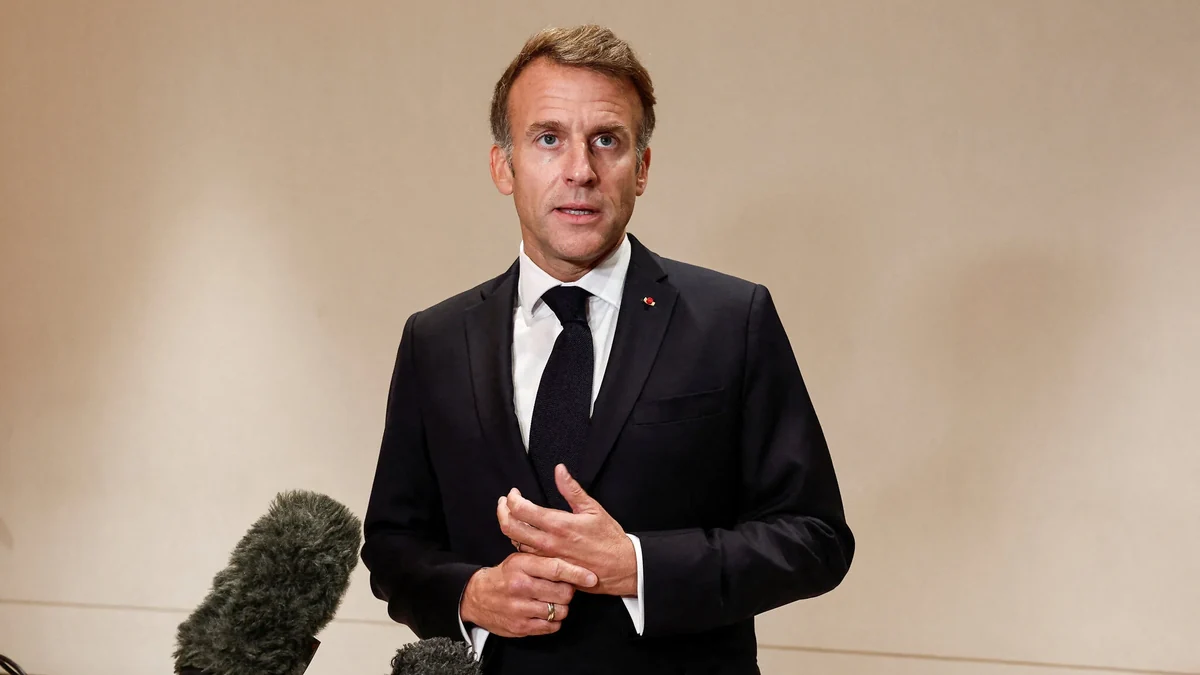
- President Macron banned all non-union protests for the day.
- A nationwide strike is already called for November 5.
Paris woke up on Saturday looking like a city expecting a storm. The Louvre, the Musée d'Orsay and the Orangerie were closed, the Paris Opera cancelled its shows, and at least two dozen metro stations were shut for much of the day. Shopkeepers boarded up their windows.
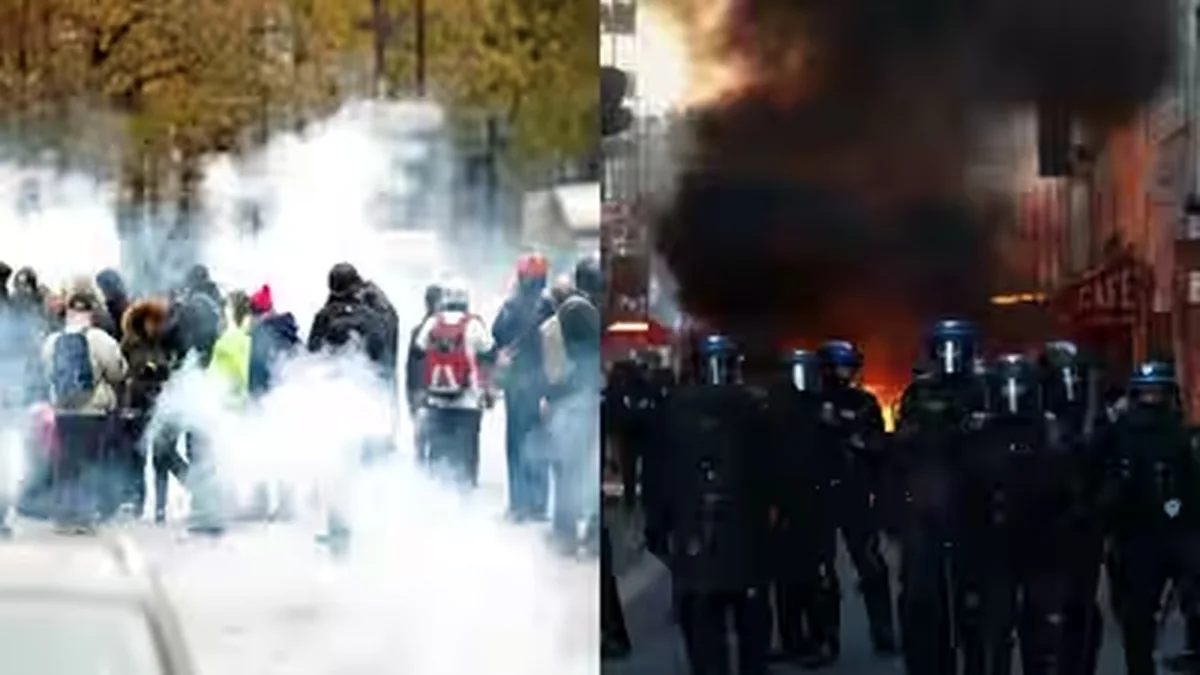
By mid-afternoon the picture was mixed. In Lyon, riot police reportedly fired tear gas to break up about 150 protesters who tried to block a road near the city centre, where restrictions on demonstrations were in force. A 21-year-old student told AFP that police were dispersing marches before they could even form. The first reports described no repeat of the street violence from last weekend.
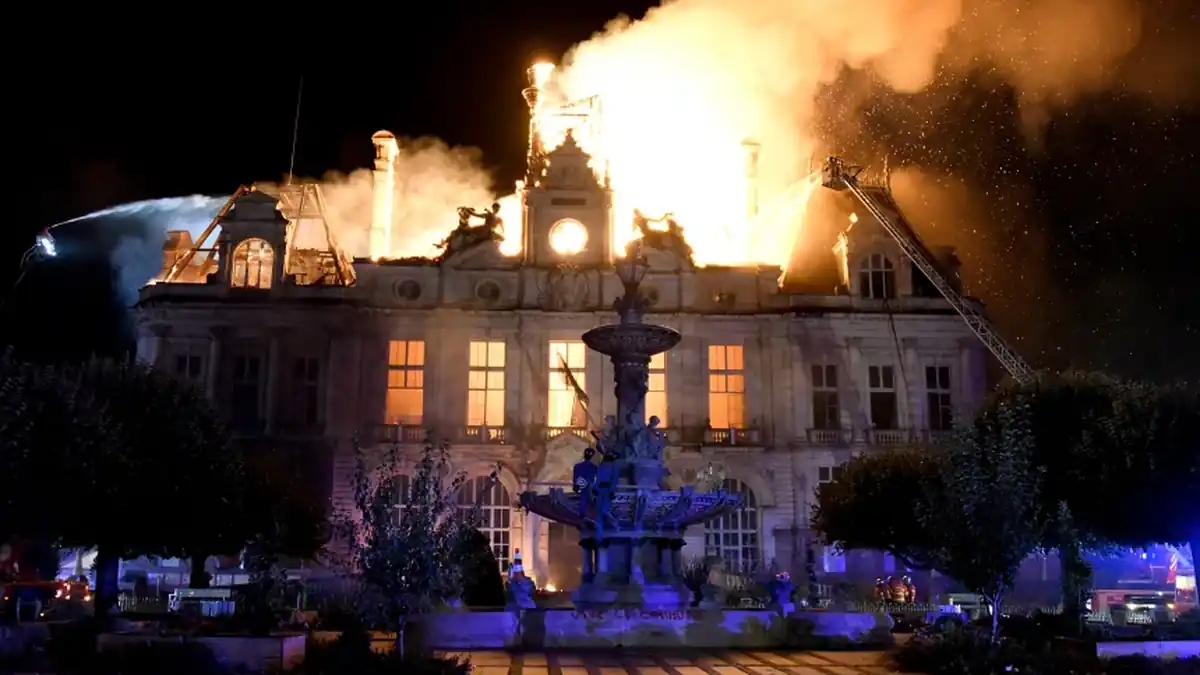
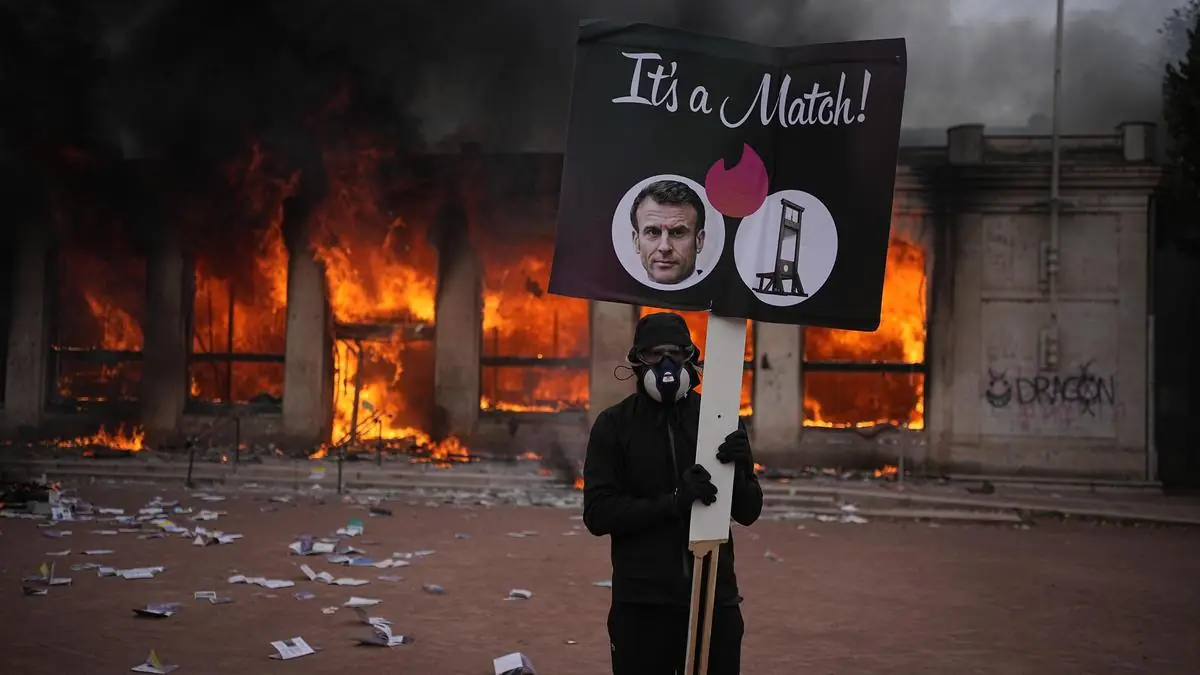
The government's caution makes sense once you look at what happened on October 17. About 550,000 people marched nationwide, according to authorities, while organisers counted about 800,000. Almost 2,400 people were arrested and nearly 1,000 police officers and gendarmes were injured, the interior ministry said. A 19th-century city hall in Limoges was nearly destroyed by fire.
Sebastian Roché, a policing researcher at Sciences Po Grenoble, said the damage was comparable to the peak of the 2018 yellow vest protests. Macron blamed "ultra-left" groups for the worst of it. The mayors of Paris, Marseille and Lyon asked for a meeting with the prime minister over the scale of the damage.
This weekend's security plan is where the new anger comes from. One Paris protest, organised by the student union UNEF with the CGT joining, was authorised, but non-union demonstrations were banned. Police first approved a march between Bastille and Nation, then overturned that on Friday and offered a route along the city's southeastern edge instead. Unions and left-wing politicians say that scatters people and invites trouble.
The unions grudgingly accepted the bans on central Paris and Marseille, but they and other groups complained of an "authoritarian drift." The leader of La France Insoumise, which has backed the student-led protests, warned that "the masses will be set in motion."
Rights groups have a point worth airing. Earlier restrictions have been criticised as possibly infringing the constitutional right to protest. The government's answer is simple: last week's riots showed what happens when it doesn't act.
There is another pressure point. The far-right National Rally is holding its congress in Orléans this weekend, with Marine Le Pen and Jordan Bardella speaking, and the event has drawn both supporters and counterprotesters. Police said they seized items meant for violence or intimidation in several cities, including Orléans, Marseille and Rennes.
A few comparisons help show the scale.
- The 70,000 deployment is about 75% larger than the 40,000 officers sent out during the 2023 riots over the killing of a teenager in Nanterre (70,000 divided by 40,000 is 1.75).
- It is still below the more than 89,000 deployed in December 2018 at the height of the yellow vest protests.
- The 135 arrests are a one o'clock snapshot. Last week's roughly 2,400 covered a whole weekend of unrest, so the two shouldn't be set side by side as a trend.
The protests began as a student movement over school conditions and became a wider revolt over prices and pay. Hundreds of lycées were shut by authorities on one day in early October, and the movement was later joined by trade unions and the yellow vest revival.
The budget backdrop matters. Prime Minister Sébastien Lecornu leads a minority government that wants €54 billion in savings in the 2027 budget. That makes concessions on schools or wages hard to fund, and tough policing is politically safer for now.
The next date to watch is November 5. The Week reported that Macron was being urged to give ground before that nationwide strike. Whether the arrest count stays low through Saturday night, and whether unions accept the rerouting again, will say a lot about what comes next.