Once again, India’s regulator on food safety has taken aim at the beverages lining the shelves of its supermarkets—but this time, it is the energy drinks that have been flagged.
The Food Safety and Standards Authority of India (FSSAI) has issued notices to six beverage makers, claiming they are misrepresenting themselves and making health claims not permissible for food/beverage products.
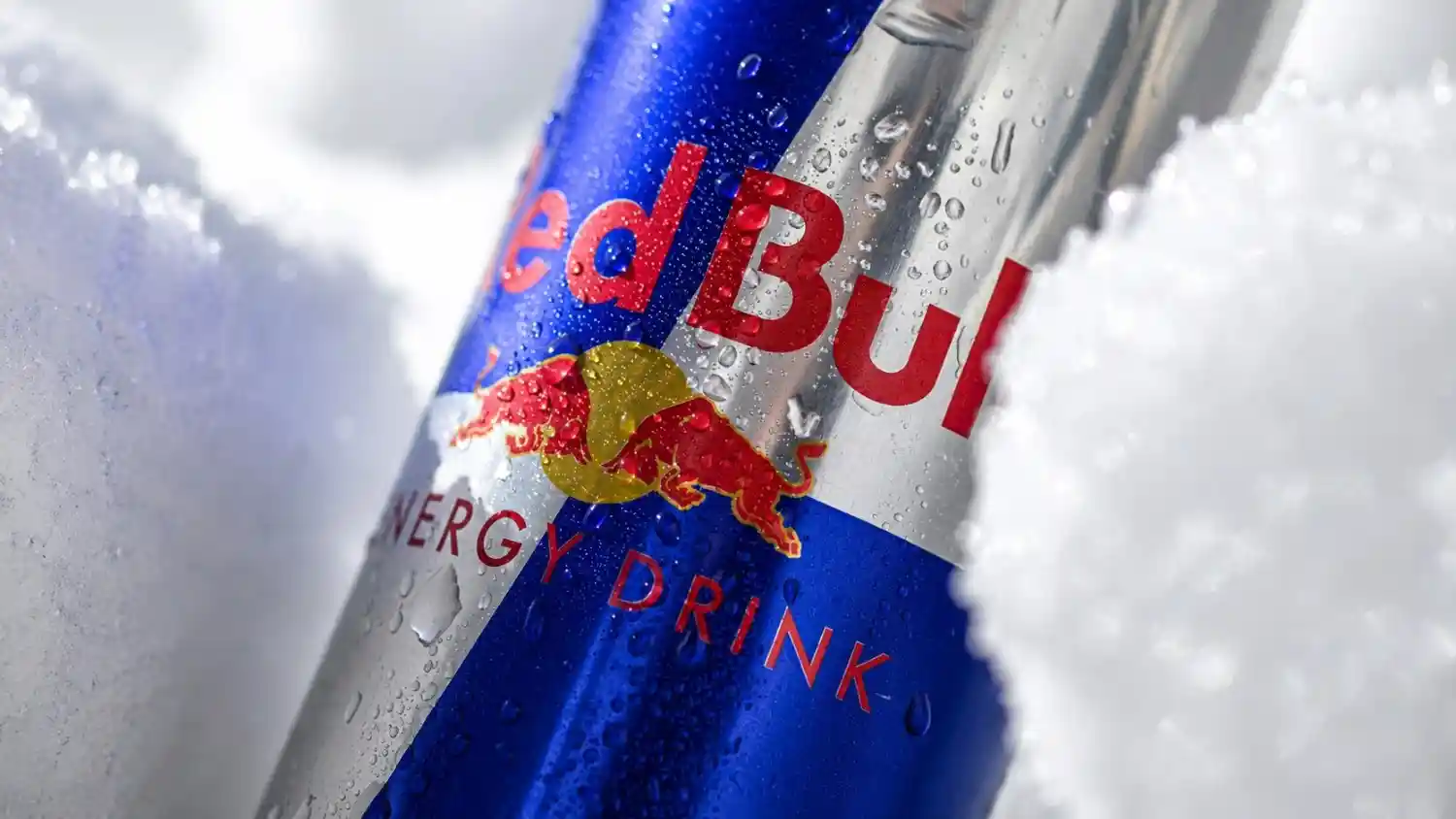
The warning letters, released on Wednesday, have been sent out to six companies, including Red Bull Energy Drink; PepsiCo India’s Adrenaline Rush Energy Drink; Campa Energy Drink–Gold Boost from Reliance Consumer Products; Sting Energy Drink from PepsiCo; Hell Energy Drink; and Monster Energy, supported by Coca-Cola.
As per the regulator, the notices were sent out to numerous beverage brands that claimed themselves to be "energy drinks."
Importantly, two products from the same brand, PepsiCo, have fallen under the scanner—one is Sting Energy Drink, which has been in the market in India for several years, and the other is Adrenaline Rush, a relatively new addition to the league.
There is a very basic point of concern, which needs mention in the discussion of the case. It is that there is no provision under Indian food safety legislation for anything known as an "energy drink."
FSSAI has highlighted that the "energy drink" or a similarly named product is not included in the notified standards of FSSAI, while the Food Category System in the Food Safety and Standards Regulations was never designed for product naming and labeling purposes.
In other words, whenever a food manufacturer labels its products as "energy drinks," it uses a term that has no scientific or regulatory basis in the Indian food safety regulation but at the same time promises to give some kind of functional advantage like increased alertness or stamina.
It is in this context that the second part of FSSAI's contention takes on significance.
The regulator has said that claims regarding the function or treatment offered by food products are not permitted under the Food Safety and Standards Act, 2006, and regulations framed thereunder. In other words, no food or beverage product can make medical-type claims regarding its effects on the human body unless it passes all the required approval processes.
It should be noted that FSSAI did not protest merely at the use of "energy drinks."
There were certain statements in advertisements and packaging that FSSAI believed crossed the line from functional foods to medicines, including such statements as "Vitalizes Body & Mind," "Enhancing Focus," "Boost Energy Levels," "Aid in General Weakness," and "Stimulate Mind, Energizes Body."
The notices issued by the agency to each one of the six companies bore similar reasons, three in number, which include, firstly, the absence of any official standard for "energy drinks" or other similar products; secondly, the Food Category System cannot be used for naming and labelling the product; and finally, the use of the functional and therapeutic statements is not permissible in accordance with the existing law.
The news was not broken through an official press release in the conventional sense.
The FSSAI broke the news through its Instagram account on Wednesday. This is indicative of the changing manner in which FSSAI has been functioning lately, utilizing the platform of social media for making such announcements.
This is not a one-off instance. Energy drinks being issued notices is yet another step in an ongoing campaign by FSSAI to crack down on the ways in which food/beverage companies market their products in India.
Recently, there have been notices to various brands for misleading health claims, wrong usage of terms such as "natural" and "organic," and even front-of-pack labeling practices that FSSAI thinks would be misleading to consumers.
Some of the companies already targeted through this campaign include Marico’s Saffola, Ferrero India’s Kinder Joy, Raw Pressery, Pluckk, and MasterChow Foods.
Moreover, the issue with energy drinks comes after a separate move made by CCPA (Central Consumer Protection Authority) in fining Storia Foods and Beverages and Mrs. Bectors Food Specialties (brand of English Oven bread) ₹1 lakh each for using the "100%" claim that is misleading. CCPA had ordered these brands to withdraw these claims from all packages and online platforms.
All of these moves by the regulatory body imply a growing assertiveness towards label authenticity when it comes to either a "100%" fruit juice or a product that claims to "energize" the body and mind.
So far, none of the six companies cited in the notice has made any public comments. Whether they decide to contest the notice, change their packaging and marketing terms, or request an explanation from the regulatory body is yet to be seen. The consumer takeaway from the notice by FSSAI is relatively straightforward: “There is no such thing as 'energy drinks' in the Indian context," and any claims that a product can improve focus or energy levels should be taken seriously only after appropriate regulations are put into place.