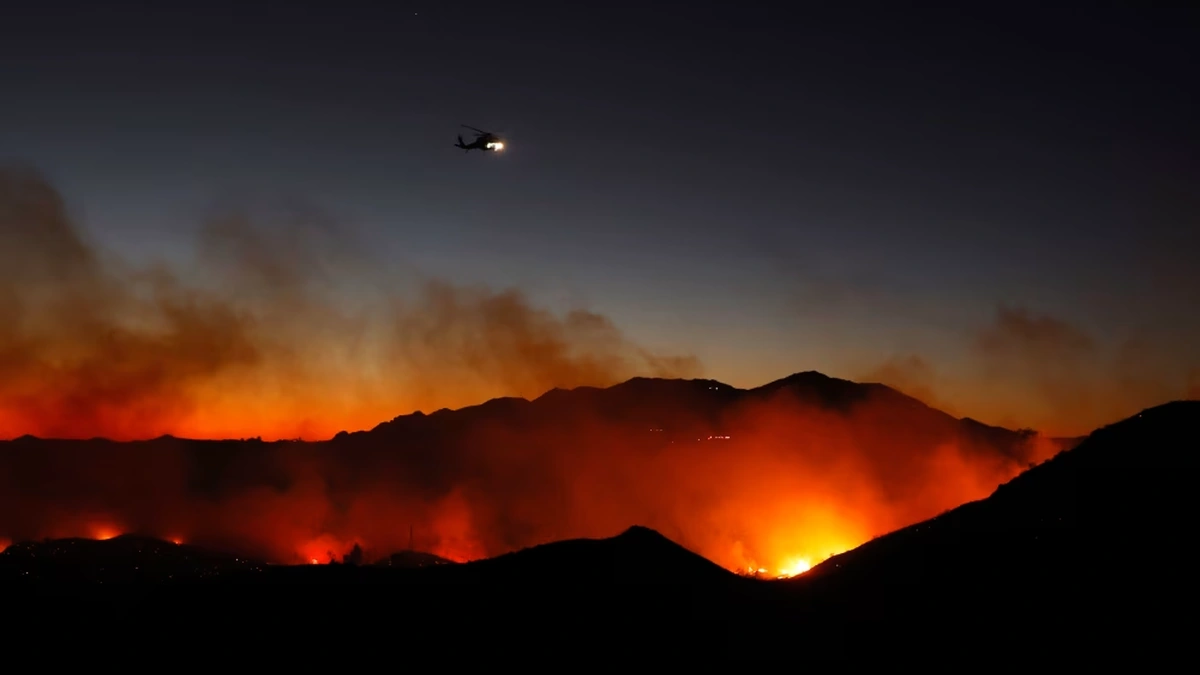
- France's interior minister said more than 500,000 people joined protests nationwide on Saturday, October 17. Organizers put the figure higher.
- Prime Minister Sébastien Lecornu said 1,200 people had been detained and called the violence unacceptable.
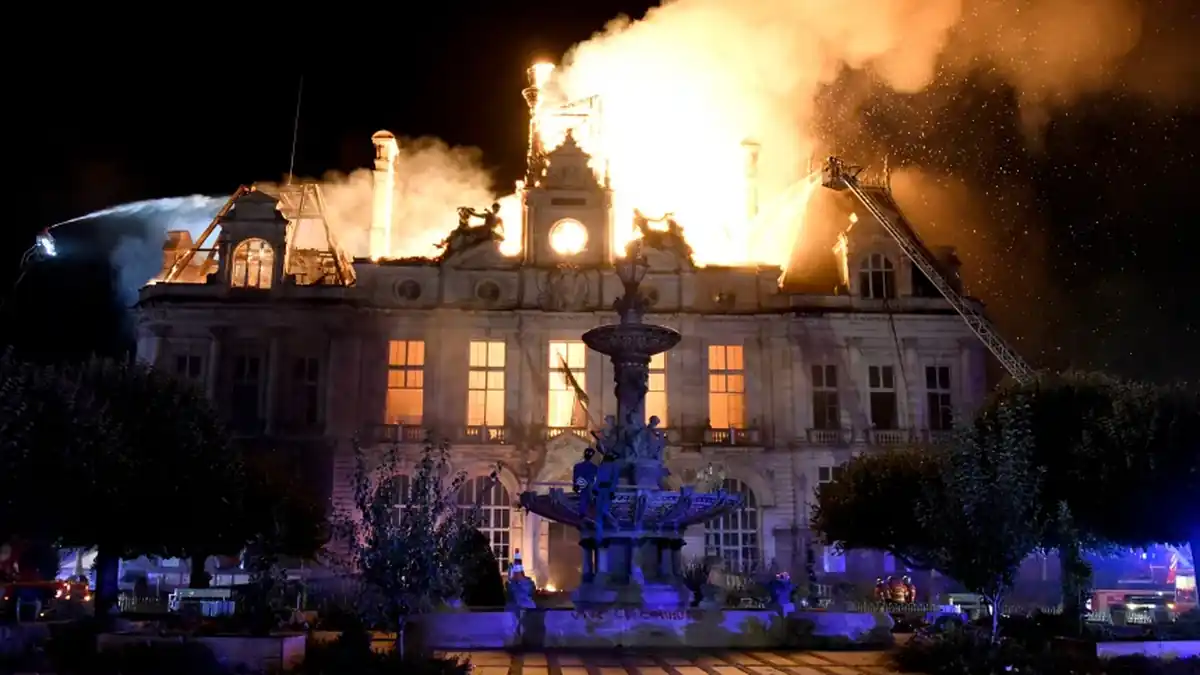
- The city hall in Limoges was destroyed by fire, and other buildings were torched.
- The movement began over overcrowded classrooms and teacher shortages, and now takes in the cost of living and police conduct.
- The government has promised initial proposals by the end of the month. Students say that is too slow.
Saturday began mostly calm. By nightfall, it did not look that way.
More than half a million people marched in cities across France on October 17, according to the interior ministry, with student unions, teachers, parents and activists from across the political spectrum joining the high schoolers who started all this. Organizers claimed a bigger crowd. In France, the gap between official and organizer counts is close to a tradition, so treat both numbers as brackets rather than facts.
What is harder to argue with is what happened after the marches thinned out.
In Limoges, in central France, the city hall burned. Other buildings were set alight elsewhere. Police charged crowds at Place de la République in Paris, and officers detained protesters in Marseille before one demonstration had even properly started. Lecornu said 1,200 people had been detained nationwide and condemned the violence in blunt terms. He also said no one would be allowed to push a political agenda through force.
CNN's live coverage reported a second case of a demonstrator losing a hand during the protests. Details were still thin on Saturday night. The first case, weeks ago, had already become a flashpoint over how police handle teenage crowds.
The unrest also crossed a border. In Brussels, protesters at a student demonstration overturned a car.
The origin story is almost boring, which is part of why the government misjudged it. High school students in several French cities began organizing scattered protests last month. Their demands were practical: smaller classes, more spending on teachers, buildings that can handle a hotter climate, and an end to police violence against young people.
Behind that list is a demographic squeeze. Over roughly the last fifteen years, a rise in births combined with funding cuts has put more children in classrooms and fewer teachers in front of them. Parents noticed. Unions noticed. Then the students did.
Things moved fast once police got involved. On Tuesday, October 6, more than 250,000 people marched in over 40 cities, and students barricaded hundreds of high schools with bins, barriers and burning rubbish. Tear gas was fired in Paris and elsewhere. Nearly 500 people were arrested that day alone.
Justice Ministry figures reported earlier this month put the total at 5,060 arrests since the movement began, with 87 percent of those arrested being minors. Lecornu's office said at least 715 police officers and 215 teenagers had been hurt. Rights groups and some officials questioned the force being used against kids. The interior minister, Laurent Nuñez, maintained the response was proportionate in almost all cases, though internal police inquiries were opened into allegations of brutality against three students.
Lecornu tried a softer move too. Schools were told to set aside lesson time for what he called a period of internal democracy, so pupils could air grievances. It did not stop the blockades.
Students have asked for roughly $11 billion in education funding. The government has said ministers will bring forward initial proposals by the end of October. Student unions, plainly, are not willing to wait that long, and Saturday's turnout was their answer. Five major teaching unions had already struck in solidarity earlier in the month.
The government's own framing has not helped. Officials have accused the hard-left France Unbowed party of stoking the movement, a charge that tends to read as dismissal to the teenagers on the receiving end. Lecornu has also said burning a school does nothing to repair one, which is fair, and also not an answer to the funding question
Timing makes all of this harder for Emmanuel Macron's camp. The presidential election to choose his successor is due in 2027, and far-right leader Marine Le Pen has been leading in polls despite a graft conviction. A government that cannot calm its own high schools is a gift to every opposition party, left and right, and each will read Saturday's footage in its own way.
Lecornu, who took the job in September 2025 and has no parliamentary majority, has now spent months fighting on two fronts: budget fights with unions in the autumn and this. Neither has gone quietly.
Nothing in Saturday's events suggests the movement is winding down. Detentions are likely to keep climbing as courts process the weekend's cases, and the question of how many of those detained are minors will draw scrutiny. The end-of-October deadline for government proposals is now less than two weeks away