HDFC Bank’s results came out Saturday, and honestly, depending on which headline you read, you’d walk away with two pretty different impressions of how the quarter went. Turns out both are kind of true, just looking at different pieces of the same report.
Standalone profit for the quarter landed at ₹19,510 crore, up 4.7% from last year. Not a huge number on its own, and that’s part of why a few outlets called it a near-miss against expectations.
But that 4.7% figure is hiding something. Treasury trading gains, basically the profit a bank makes off its own investment portfolio rather than actual lending, dropped hard, from ₹2,390 crore last year down to just ₹780 crore this time. That swing alone explains most of why headline growth looks weak. Strip treasury gains out entirely, and the bank says core profit actually grew about 12.6% year-on-year, a much better number, and probably a more honest read on how the actual business is doing.
Away from the treasury noise, the numbers were solid. Net interest income, the gap between what the bank earns on loans versus what it pays out on deposits, grew 9.7% to ₹34,619 crore. Gross advances were up 16.3% to ₹32.2 lakh crore, and deposits grew even faster, somewhere around 19% year-on-year, which continues a trend of the bank clawing back its deposit base after all the merger-related pressure from the past couple years.
Net revenue came in at ₹48,450 crore, up from ₹45,900 crore a year ago, with other income, fees, commissions, that kind of thing, adding ₹13,830 crore to the total.
If there’s one part of this quarter that’s just straightforwardly good news, it’s asset quality. Net NPAs improved to 0.37%. Gross NPAs came down to 1.11% from 1.17% the quarter before. Pull out stress from agricultural lending specifically, and it looks even cleaner, 0.87%, continuing a steady improvement that’s been building for a while now.
Provisions did tick up, 18.7% quarter-on-quarter to ₹3,574 crore, worth keeping an eye on. But year-on-year the increase was tiny, just 2.1%, so this reads more like normal quarter-to-quarter noise than any real new stress showing up in the loan book.
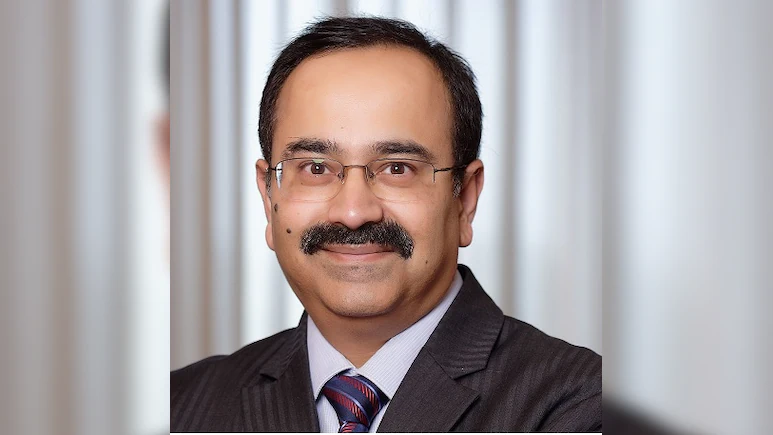
Results day also brought news that deputy MD Kaizad Bharucha is stepping down, a story that’s pulled almost as much attention as the earnings themselves. Word is Rahul Shukla’s stepping into a bigger role as the bank reshuffles its senior leadership, and incoming executive Bagchi has reportedly been signaling more focus on balance sheet strategy going forward.
Leadership changes at a bank this size always draw scrutiny, timing or not. Coming right alongside a slightly soft headline profit number just adds another layer people are talking about, on top of what would’ve otherwise been a pretty routine quarter.
CEO Sashidhar Jagdishan tackled the margin question head-on during the earnings call, saying net interest margins should start improving from Q3 onward as older loans get repriced. That’s a meaningful thing to say out loud, since margin pressure has been one of the more persistent worries around this stock for a couple years now, mostly tied to the bank still working through balance sheet adjustments from its 2023 merger with HDFC Ltd.
The stock itself had already been underperforming the broader market heading into results. What happens from here probably depends less on this quarter’s actual numbers and more on whether Jagdishan’s margin timeline actually holds up over the next couple of quarters.
Basically, this quarter told two stories at once. One, from the headline number, makes it look like growth is slowing down. The other, from NII growth, deposit numbers, and cleaner asset quality, says the underlying business is actually doing fine, it’s just that treasury income volatility is covering that up in the top-line figure.
For now, the real test is probably the next couple of quarters: does the margin recovery Jagdishan talked about actually show up, and does this leadership transition at the deputy MD level go smoothly enough that it doesn’t turn into its own separate headache.