The recall comes from Kayem Foods, which is a company based in Massachusetts that produces meat products. This particular company is now recalling approximately 1.58 million pounds of hot dogs, bacon, sausages, deli meats, and other ready-to-eat foods because these could have been exposed to unsuitable temperatures.
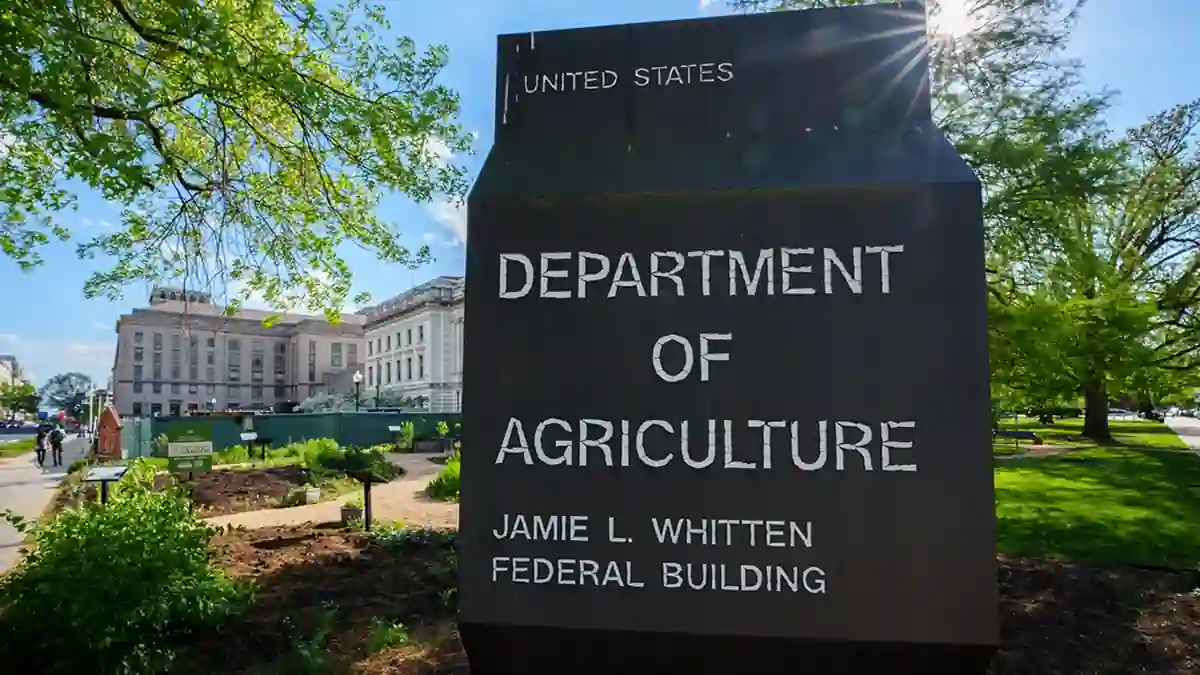
This was announced by the U.S. Department of Agriculture Food Safety and Inspection Service on Saturday, October 17, 2026.
USDA stated that Kayem Foods Inc. of Chelsea, Massachusetts, distributed ready-to-eat meat and poultry products that were stored in a warehouse cooler that had some temperature fluctuations. This situation became known because of a complaint raised by a retailer customer on October 1 saying that the food products were delivered to them warm. The total amount of food products recalled was 1,584,361 pounds.
Matt Monkiewicz, President and CEO of Kayem Foods Inc. stated that the company was recalling the products voluntarily as a precaution. He added that the company has learned its lesson and fixed the problem.
- FSIS categorized the recall as Class I, which is its most severe type of food recalls. A food item that falls under Class I recall means that there is a chance of consumers getting severely ill if they consume it. It also means that it is highly possible that consumers will die if they eat those products. Temperature abuse is a risk factor that facilitates the growth of dangerous bacteria on ready to eat foods.
- Affected Products
- There are many affected products under the following eight different brand names: Kayem, Al Fresco, Triple M, McKenzie, Deutschmacher, Jordan's, Essem, and Winnisimmet St. The affected products include:
- Hot dogs: Kayem beef and pork hot dogs, natural casing franks, and Fenway Franks along with cocktail franks.
- Bacon: Kayem Double Smoked Thick Cut Bacon.
- Deli Meat Products: Ham, Turkey Breast, Bologna, Liverwurst and Corned Beef which includes Genoa Hot Ham.
- Other Products: Slow Smoked Beef Brisket, Kielbasa, Bratwurst, Triple M Boneless Ham Steaks, Al Fresco Roasted Pepper and Asiago Chicken Sausage, and Meatballs.
FSIS has issued a nine-page list of all products affected by this recall and their corresponding UPC codes. This recall is limited to specific products and packages only, not all products produced by this company.
The production/distribution date varies a little according to the sources consulted. FSIS stated that the products were manufactured from March 31 to October 7, 2026, whereas according to Kayem, the products were packed/processed and distributed from June 7 to October 14.
Some of the products have an extended shelf life; therefore, FSIS is afraid that some may still remain in consumers’ fridges or freezers. The products were distributed in various retail and foodservice locations in the United States and Hong Kong.
The following actions can be performed by consumers to check if their products are among those recalled:
- Examine the mark of inspection: Find the USDA mark of inspection on the package, in which there will be the numbers of establishments EST. M/P 7839, EST. P 20935A, or EST. M 9520.
- Check the details: Compare the brand name, description, UPC code, and lot number against the list that can be found on the FSIS website or Kayem's recall notification.
- Avoid consumption: According to FSIS, consumers should discard or return the recalled products to the retailer.
- Pay attention to the symptoms: If a person consumed a recalled product and felt sick afterwards, he or she should consult a doctor.
This is not the first time when Kayem has recalled its products recently. In July 2025, the company announced recalling more than 24,000 pounds of chicken sausage due to the complaints from customers who found plastic pieces in the food.
In April 2026, it recalled approximately 59,203 pounds of fully cooked chicken sausages, which included such brands as Trader Joe's and Al Fresco, due to potential contamination with plastics.
The FSIS will continue monitoring the recall process and the company’s response. In case some cases of illness are associated with this food, the FSIS may update its advisory or broaden its scope.
For more information, consumers are advised to contact Kayem Foods or USDA’s Meat and Poultry Hotline.