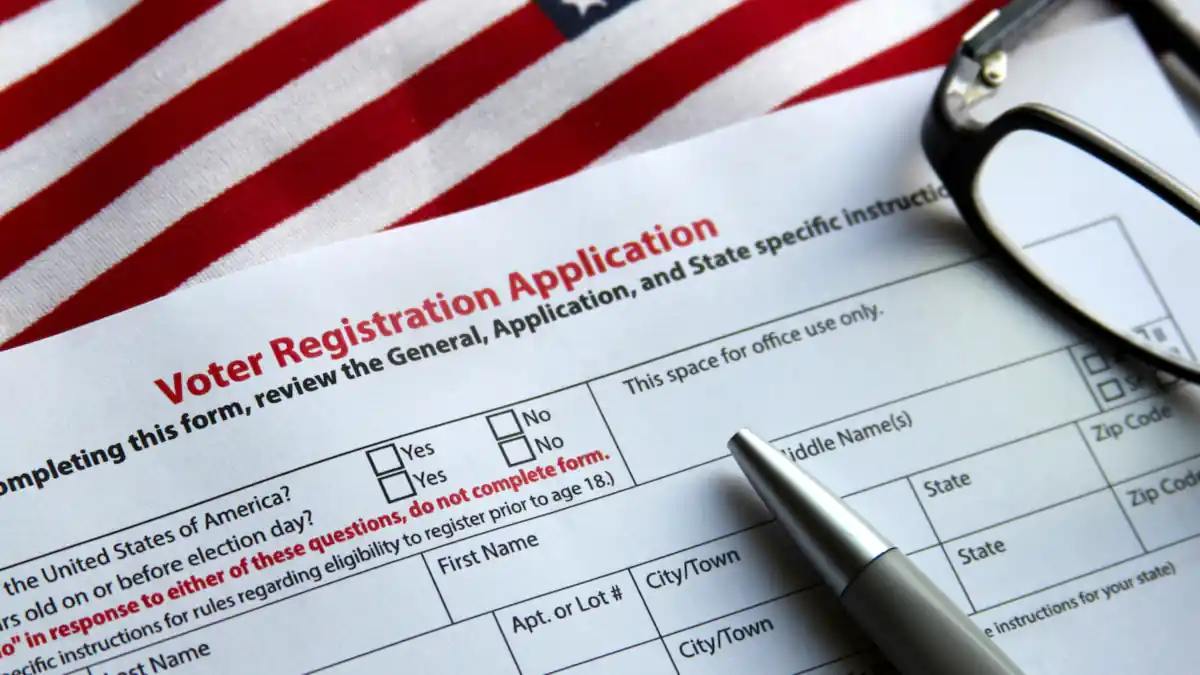
Different from other nations, the US does not have one national system or deadline for voter registration. In that case, each individual state has established its own procedures and cut-off dates and determines the methods of registration that it accepts.
Since there is a 2026 midterm general election coming up on November 3, many states close their voter registrations from October 4 to October 26.
To register, a person should, in most cases, be a U.S. citizen, aged 18 years or older by the date of the election day, and a resident of the state he or she wishes to register in.
Felony disenfranchisement rules differ greatly in various states, but, normally, a felony should not keep the applicant from registration.
The quickest way to register to vote is through the Internet, through the website called Vote.gov or the website of the Secretary of State of the state where a person wants to vote. This website answers eligibility questions of the applicant and guides him/her to the website of the state in case such a website exists.
The applicant needs a driver’s license or state ID number and, in some states, the last four digits of the applicant’s Social Security number.
Those voters who do not want to register online may use the National Mail Voter Registration Form, which can be accessed through Vote.gov and sent to the voter’s local election board.
This form will work in all states except New Hampshire, North Dakota, Wisconsin, and Wyoming, which have different forms for registration. In-person registration can also take place in a state’s election office or motor vehicle office when the voter is getting their license renewed.
Approximately 22 states, along with Washington, D.C., have a same-day voter registration system, which implies that the qualified voters get the opportunity to register themselves on Election Day at polling stations.
Inthe casee of North Dakota, voters do not have to register, although they have to show their valid ID card to prove their eligibility. In all other states, missing the deadline results in a voter's inability to participate in the election, even though it might turn out to be a very important one.
The deadlines may vary according to the method through which the process of registration takes place. That means that depending on whether the process is conducted online, through mail, or personally, the deadline may be different.
Thus, there is a possibility that the deadline for mailing the registration application will be earlier than for the online registration process. The deadline set for the California 2026 general election is October 19.
If you have already registered to vote but have since moved, changed your name, or merely wish to update your registration as a result of changing your political affiliation, it would be prudent to check up on your registration before the registration deadline.
This can be done on the Vote.gov website, where you can select your state and make updates. Depending on the state, you may need to fill out a new form or even visit in person to switch your political party affiliation.