Ukrainian drones have knocked out something like 70 percent of Russia's domestic fuel production since July. So Moscow is importing gasoline now. India has become one of the countries filling that gap, sending close to a million barrels of petrol over the past two months, most of it from a single Gujarat refinery with deep Russian ownership ties. That last part is the detail worth sitting with.
The India-Russia energy relationship has had a pretty consistent shape since 2022. Moscow sells crude at a discount, Indian refiners buy it by the tanker-load, Western officials complain, everyone moves on. That's roughly been the pattern for three and a half years.
This is different. Russia doesn't need India's crude right now, or not only that. It needs finished petrol. Actual gasoline, ready to pump.
Vortexa, the ship-tracking firm whose numbers keep showing up in every version of this story, put Russia's seaborne gasoline imports at a record ~125,000 barrels a day in August. That's about 470,000 tonnes for the month. Indian refiners supplied close to a million of those barrels across July and August combined, per trade sources quoted in the reporting. Turkey and Morocco sent cargoes too, but India's volumes stood out.
Here's the thing that makes this genuinely strange: Russia is one of the three biggest crude producers on earth. It has no shortage of oil in the ground. What it's short of is refineries that still work.
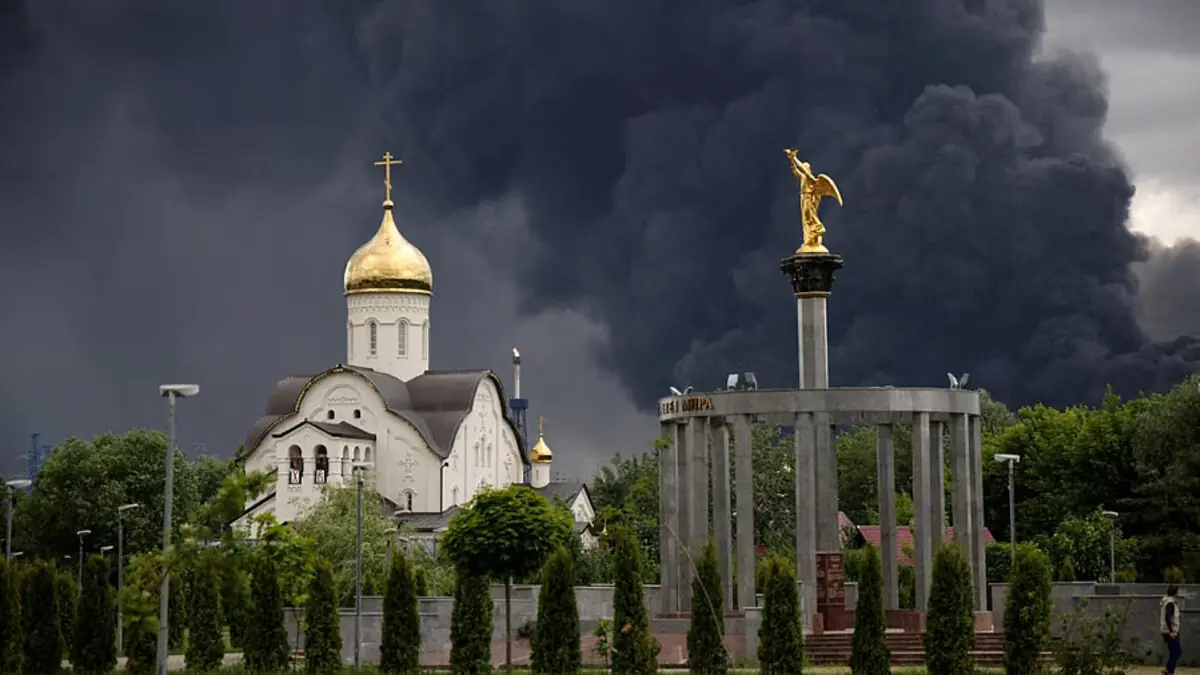
Ukraine hit Russian refineries 32 times in July and August, according to Vortexa's count. That's close to one strike every two days for two straight months. Add it up and you get domestic gasoline output down by roughly 70 percent in the worst-affected areas.
The knock-on effects showed up fast. Filling stations around Moscow and the Leningrad region started rationing. Similar reports came out of the Volga belt, the south, and the Far East. A country that used to have some of the cheapest pump prices in Europe is now restricting how much petrol drivers can buy, and it's banned most gasoline and diesel exports outright except under government-to-government arrangements.
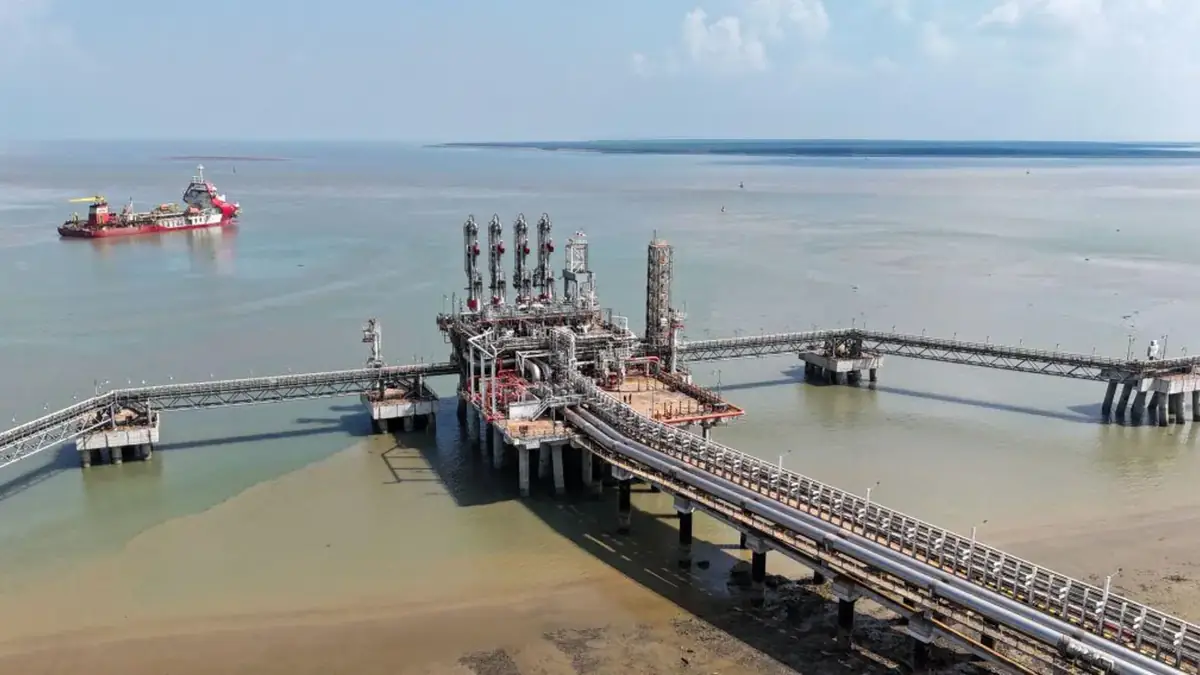
Most of the Indian gasoline making this trip comes from one place: Nayara Energy's refinery at Vadinar, on the Gujarat coast.
Nayara is roughly half-owned by Rosneft. Russia's biggest state oil company, in other words, holds a stake in the very refinery now shipping finished fuel back toward Russia. Crude goes in (likely a good chunk of it Russian crude to start with), gasoline comes out, and it heads home. Analysts have called it close to a closed loop. India collects a margin somewhere in the middle, which, fair enough, that's what refining hubs are for.
This isn't happening in a vacuum either. India's Russian crude imports have been climbing hard all year, hitting over 2.6 million barrels a day in June and July, up from around 1 million bpd back in February. That's now more than half of everything India imports. Tensions in the Gulf pushed refiners further toward discounted Russian barrels right as this whole gasoline shortage was building on the other end.
The logistics behind this are murkier than the headline barrel counts let on.
Per reporting from The Week, every single India-origin gasoline cargo that reached Russia in August travelled on sanctioned tankers, using ship-to-ship transfers conducted away from normal shipping lanes in the Mediterranean. That's not incidental. That's basically the whole mechanism that lets this trade happen at all, given that sanctions are supposed to make exactly this kind of transaction hard to pull off.
Washington already went after the broader relationship once this year, sanctioning Rosneft and Lukoil in a move that put around 3.1 million barrels a day of Russian exports at risk starting late 2025. Reliance, which has a term deal with Rosneft for up to 500,000 bpd, had to scramble to adjust. The petrol shipments now moving from India to Russia sit in that same legal grey zone. Just running the opposite direction.
Nobody's expecting this to wrap up quickly.
Vortexa figures Russia will keep importing at least some gasoline for a while, partly because its refineries have always leaned more toward diesel output than petrol, even before the drone strikes started. That structural gap doesn't fix itself overnight. Someone has to keep covering it until Russian refining capacity comes back online, or the strikes let up, whichever happens first.
India happens to have room to be that someone right now. Petroleum minister Hardeep Singh Puri has pointed to the country's refining capacity climbing from about 272 million tonnes a year toward 300 million, a build-out planned for domestic demand and exports that, almost by accident, now gives Indian refiners extra headroom to serve a customer nobody expected to need this kind of help.
How long it lasts is anyone's guess. Depends on the drones, mostly, and on how closely anyone's actually enforcing the sanctions on the ships doing the moving.