A public tirade by a former minister from Japan without any filter has led to an outcry in the diplomatic relationship between India and Japan, especially when this happened only two weeks after both the countries celebrated their strategic relationship by visiting Prime Minister Sanae Takaichi of Japan to New Delhi.
Former Minister of Justice and former state minister for economy, trade and industry of Japan, Hideki Makihara has raised allegations against India on social media regarding its inefficiency in executing the project named "bullet train" of India - Mumbai-Ahmedabad High Speed Rail project.
Hideki Makihara raised his allegation in July 2026 and instantly gained fame and responded by India's Ministry of External Affairs. This paper evaluates the allegations raised by Hideki Makihara and regarding which project.
An ex-member of the Liberal Democratic Party of Japan’s parliament as well as a present member of parliament who has not won the election in 2024, Makihara made his comments on the X social media platform as a reaction to the news article about the delay in the bullet train project.
In his post in Japanese language, he said that he himself had been involved in implementing the project of the Shinkansen in India, and what struck him every time when he attended international negotiations and meetings was the “recklessness” and “chaos” shown by Indians. And the most direct of all was his comment: “They never fulfill their promises, no matter what.” Even if they make one, they just flip it right away." He accused the Indian government of their self-centeredness during every negotiation and claimed that in the interests of the Japanese specialists engaged in the project implementation, he had to say that the responsibility for lack of progress lay solely on the Indian side.
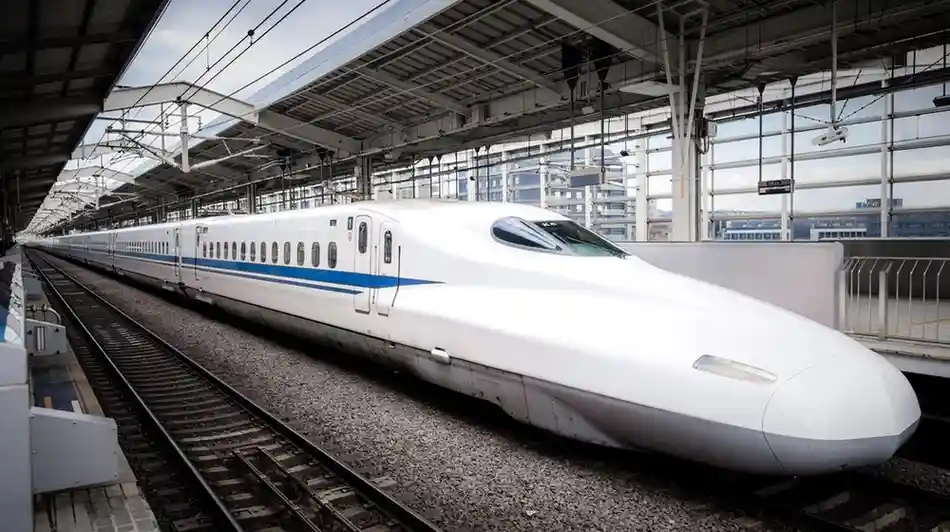
Apart from the general delay, Makihara raised a concrete complaint: India had decided to abandon the use of Japanese rolling stock and signaling system that were initially supposed to serve as an essential element of the Shinkansen design, and regretted the fact that the flagship of Japanese railway technology failed to become a standard system of India's first bullet train corridor.
It is a project to construct the first bullet train in India on the 508 km high-speed railway route from the financial capital of India, Mumbai, to Ahmedabad in Gujarat state—the native state of Prime Minister Narendra Modi.
The project has received great publicity and has seen the foundation stone laid by Modi and the then Japanese Prime Minister Shinzo Abe together at Ahmedabad to mark its official beginning. The Mumbai-Ahmedabad project has become a landmark project of Indo-Japanese collaboration, which is supported not only with the technological and engineering support but also by the development loan extended by Japan at concessional interest rates.
Even though the project received an ambitious outlook, in practice, it met several delays, mainly due to the delayed acquisition of lands in the first years of the project. In spite of that, the pace of civil works on the project has increased dramatically in the last years, including the construction of steel bridges in Gujarat.
The project is already delayed far from the original completion date. India has developed its own high-speed railways, in particular the network of Vande Bharat trains, which creates a discussion, supported by the words of Makihara, that India is looking for alternatives to exclusive dependence on Japanese technology for their high-speed rail projects.
The Indian government, however, did not ignore the statements of Makihara.
On the same day when the controversial statement was made, the Ministry of External Affairs gave a strong response through spokesperson Randhir Jaiswal, who called the criticism an individual opinion that is "at considerable variance with facts." According to Jaiswal, the talks on the project of the high-speed Mumbai-Ahmedabad train have been progressing in a positive way, and he clarified that at present the rolling stock deal is about Japan's provision of its next generation E10 series Shinkansen trains in the early 2030s because the model is still under development.
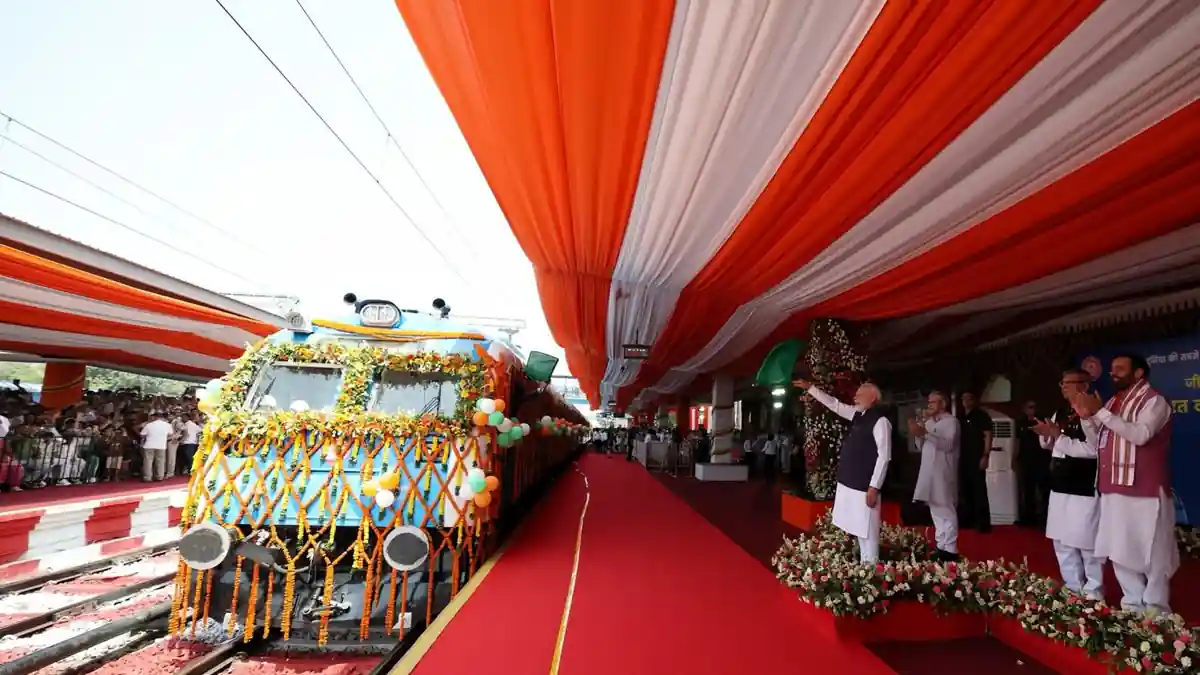
Meanwhile, both sides agreed that India should start using this corridor and its first section, which is expected to become operational in 2027, with high-speed trains designed in India.
Not an example of exclusion, this decision is seen as a joint agreement caused by the fact that the next generation of Japanese trains has not been created yet.
As for the accusation of exclusion from the construction of signaling systems, the Ministry says that the signaling equipment has been purchased according to international standards, and no official offer had come from Japan in this matter; thus, the accusations that India has tried to exclude its partner have been denied. On the other hand, Ashwini Vaishnaw, the Railway Minister of the Indian Union, who was personally attacked by Makihara in his message, is still sure that the Indian government will construct the corridor by 2030.
What is interesting about Makihara's comments is the timing of them.
His comments came just a few weeks after a prominent summit between India and Japan at which the two nations declared new avenues of cooperation, including the co-development of naval radio antenna systems and joint statements on artificial intelligence and economic security, in addition to a joint statement on the matter of cross-border terrorism, which was also receiving diplomatic attention.
Japan has presented itself as India’s greatest bilateral development partner, lending development funds amounting to an estimated $2.7 billion during the fiscal year 2024-2025, from the Delhi Metro project to the bullet train corridor project itself.
Under this context of strategic and economic collaboration between India and Japan, the unique comments of the former Japanese diplomat come as an outlier, being an opinion of a former official and not the official view of the present Japanese government.
The important point to be noted here is that no member of the present government of Japan has made any comment similar to him, and the Indian officials have made sure of this fact.