Nisshin, Tuesday. India walk out, win the toss, choose to bat. Forty minutes later Sri Lanka's bowlers look like they've been through a war.
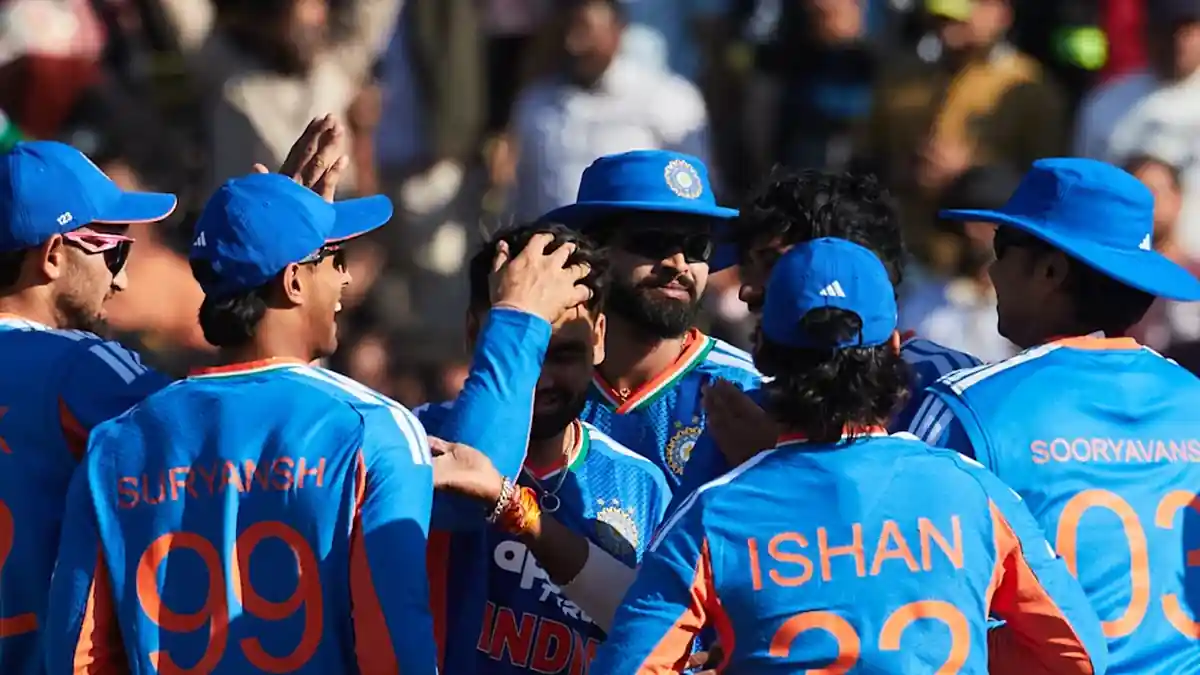
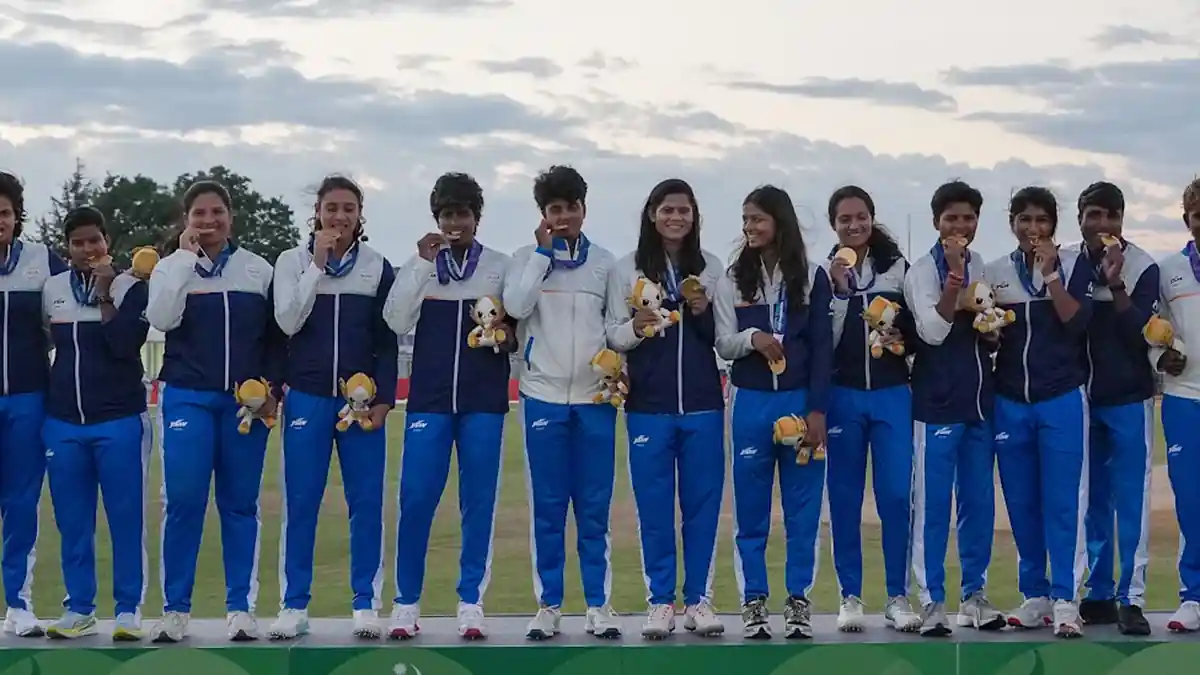
Final score: India 216 for 3. Sri Lanka never got within shouting distance. India won by 147 runs, and if you're wondering whether that margin is a typo, it isn't. This was a gold medal match that stopped being a contest somewhere around the tenth over.
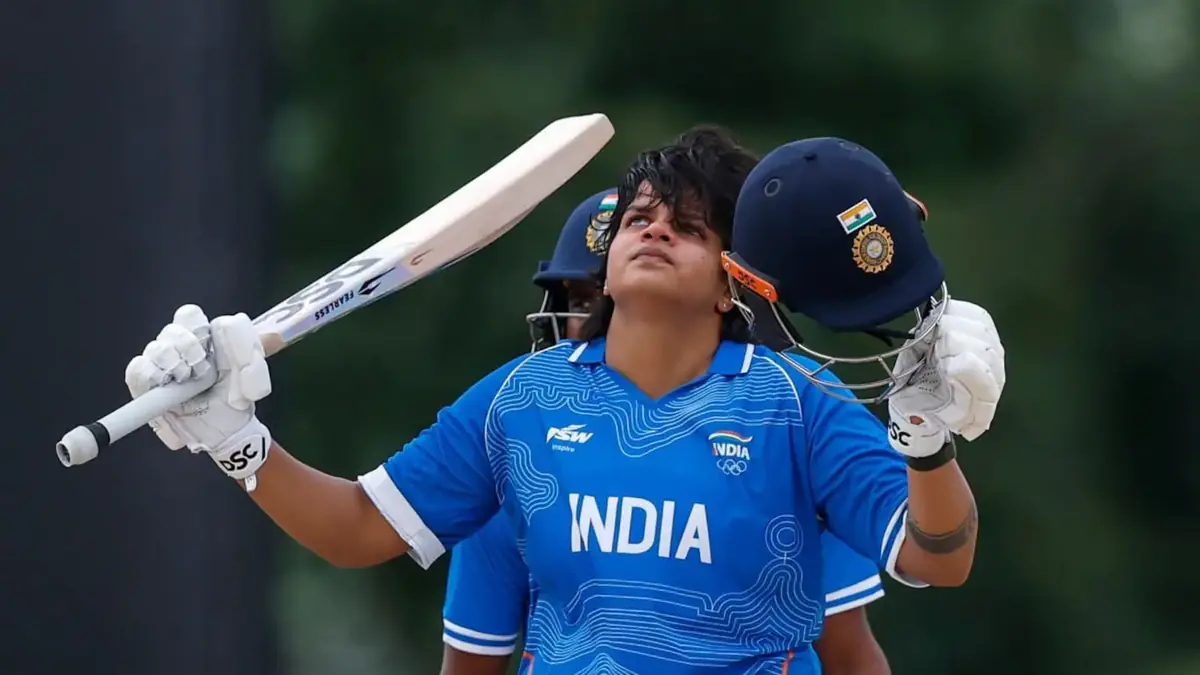
Mandhana and Ghosh did most of the damage. Not gonna pretend I have every ball of their innings mapped out here, but the reports are unanimous on one thing: once those two got set, Sri Lanka's bowling plan just fell apart. No adjustments worked. Nothing.
Here's the stat that actually stopped me. India hit a record 13 sixes in that innings. Thirteen. In a T20. That's not aggressive batting, that's a team that has completely stopped worrying about risk.
And it's not some freak occurrence either, according to Cricinfo's own breakdown after the match, this fits a pattern. India have been on a tear for months, and Tuesday was just the loudest version of something that's been building quietly since earlier in the year.
Sri Lanka's chase, meanwhile, barely got going. India's spinners strangled it from the jump. Deepti Sharma was, once again, right in the middle of that effort, and her family back in Agra has basically turned into a small press conference every time she plays a big final like this. They were proud again. Of course they were.
Not everyone walks away happy. Pakistan settled for bronze, and honestly, this is starting to feel like a script they can't escape. They keep hitting India or Sri Lanka at the exact wrong moment in these brackets, and gold slips away every time.
Sri Lanka take silver. Fine result on paper. But losing a final by 147 runs isn't the kind of loss you shrug off as a close one that got away late. It's a hammering. Everyone in that stadium knew it by the halfway mark.
Harmanpreet Kaur doesn't do big speeches. She said the team will keep this gold with them forever and left it at that. Richa Ghosh, same energy: their only goal was to win, nothing more dramatic than that.
Shafali Verma called it simply, nothing bigger than watching the tricolour go up.
Mandhana? Already thinking two years ahead. Word is she's now got her eyes on 2028, when cricket finally makes it back into the Olympics after more than a century away.
Step back for a second. Earlier this year, this same core group demolished England by 270 runs in India's first ever women's Test at Lord's. Deepti's dad called that one a matter of great pride, and he wasn't exaggerating. Then, barely ten days before this final, the same players beat Sri Lanka again to win the Women's T20 Asia Cup in Dubai.
Now gold, retained, in Japan.
Three different formats, three different countries, same result basically every time. Mandhana, Ghosh, Deepti, Harmanpreet, Shafali, this group has been together long enough now that winning finals isn't a nice surprise anymore. It's just what they do. Sri Lanka in particular have felt the brunt of it, two major final losses to India inside two weeks is a genuinely rough stretch for anyone.
There's a bigger story underneath all this too. Cricket's heading to the Olympics for the first time since 1900, landing at LA 2028. And right now, India's women are basically writing the blueprint for what dominance in this format looks like, right before the sport gets a stage it's never had before.