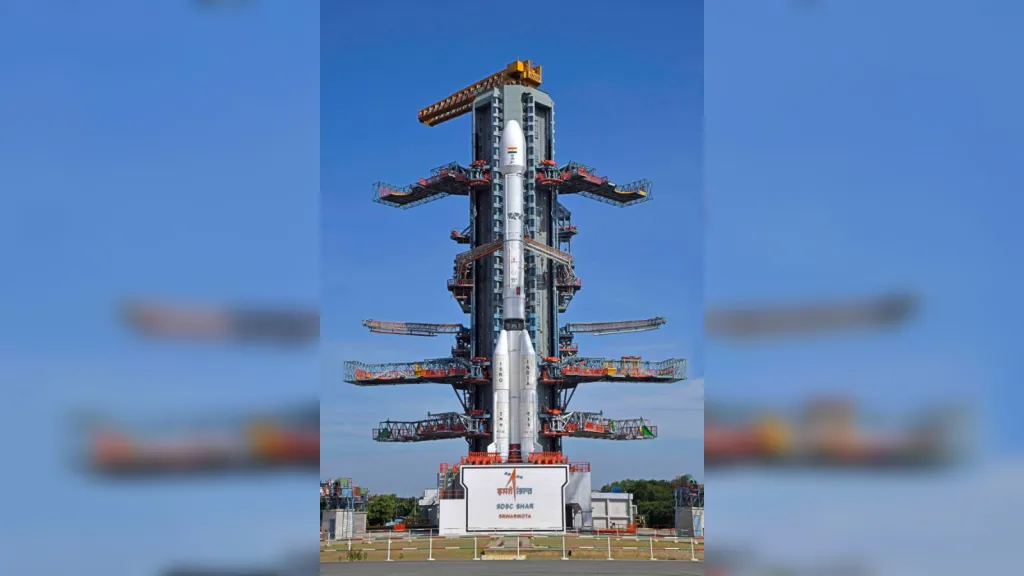
Nobody expects much out of Sriharikota at three in the morning. This time there was.
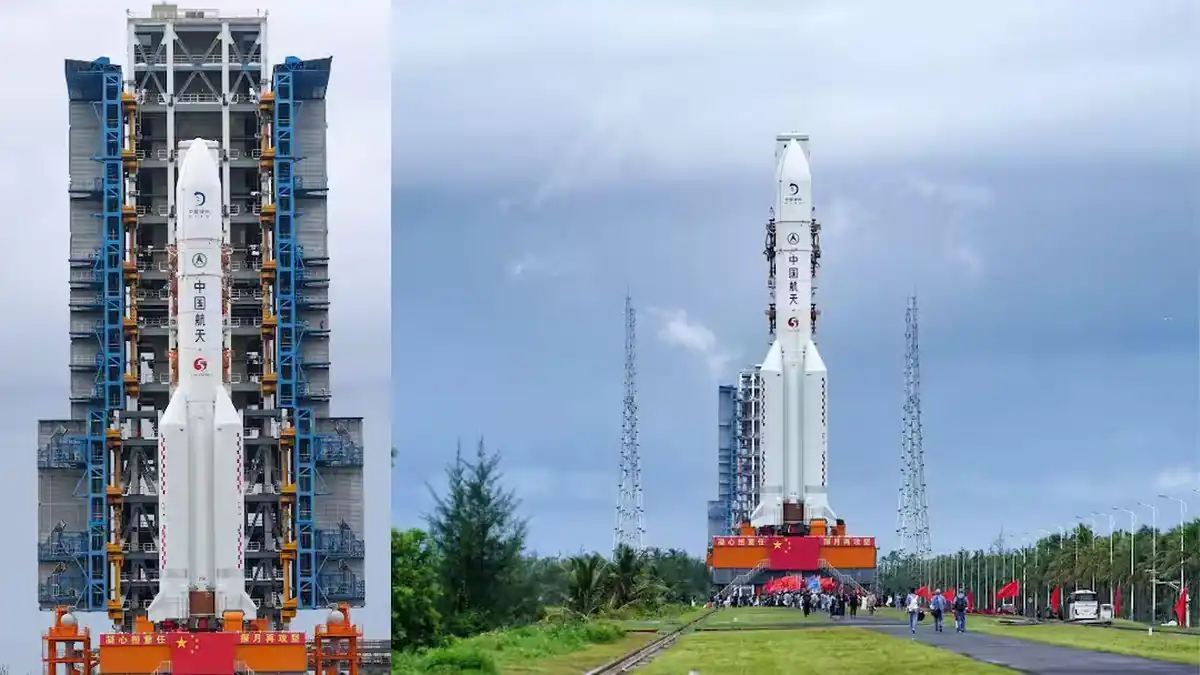
GSLV-F17 left the Second Launch Pad at the Satish Dhawan Space Centre at 2:55 AM IST on September 4. It was raining. Not a light drizzle either, the kind that makes ground crews nervous. The rocket is close to 49 metres, three stages, and it's the 19th flight of the GSLV family. Eighteen minutes after ignition, the upper stage let go of EOS-05 into what ISRO's mission documents call a Sub-GTO, perigee around 170 km, apogee just under 29,000 km. The satellite still has to climb the rest of the way on its own engines over the next several weeks.
Ahead of the launch, Chairman Dr V Narayanan told NDTV the agency was gearing up for what he called an important mission. He wasn't overselling it.
Quick bit of context. Most Indian Earth-observation satellites sit low, a few hundred kilometres up. That's efficient in some ways, but there's a catch: the satellite is moving fast, so it passes over a spot, grabs what it can, and it's gone. Next look might be hours away.
EOS-05 sits much higher. Tens of thousands of kilometres out, roughly geostationary altitude, which lets it keep something close to a fixed gaze on the subcontinent. ISRO says it can pull an image of a chosen area about every five minutes and cover the whole Indian landmass in roughly half an hour, somewhere near 42-metre resolution. Whether that holds up in practice is something we'll find out over the next year, not this week.
Flood tracking is the obvious use case. Cyclone monitoring too, watching a storm develop rather than piecing it together from scattered passes.
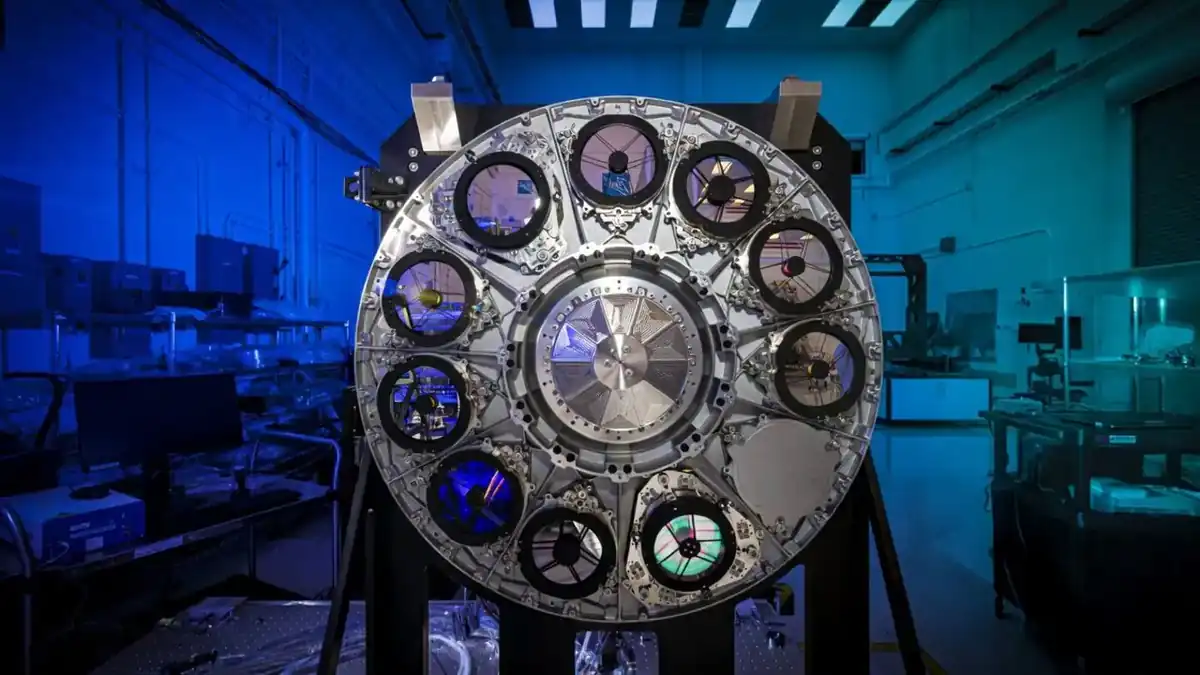
A 700mm Ritchey-Chretien telescope sits at the core of EOS-05, with design roots going back to Cartosat-2A, shooting across multispectral and hyperspectral bands, visible, near-infrared, short-wave infrared. That spread is what lets it separate stressed crops from healthy ones, or track how fast a burn scar is actually growing rather than guessing from a single frame. ISRO's mission brochure puts the payload mass at just under 2,367 kg, and the satellite has a design life of roughly ten years.
None of the individual jobs, crop monitoring, forestry, disaster response, are new territory for ISRO. It's the persistence that's new. One satellite watching continuously instead of a handful trading off and leaving gaps.
This part is worth saying plainly, because most of the coverage glosses over it: ISRO already tried this mission and it didn't work.
GISAT-1 launched on a GSLV rocket in August 2021. About five minutes into the flight the cryogenic upper stage failed to ignite the way it was supposed to. ISRO's own review pointed to an anomaly in that stage. The satellite was gone, along with a good chunk of the engineering work that went into it. EOS-05 is, more or less, that same satellite rebuilt and requalified under the agency's newer naming system.
There's a bigger story underneath this one launch. ISRO's last major mission before EOS-05, PSLV-C62 in January, failed when its third stage ran into trouble, and took 16 satellites down with it. Before that, PSLV-C61 and its EOS-09 payload failed too, in May 2025, a pressure problem in a motor casing that time.
Two failures inside a year isn't the record ISRO built its name on. The agency paused its schedule while both were investigated. One clean GSLV flight doesn't erase that run, but it does get things moving on a rocket family that wasn't the one that stumbled in January, which counts for something with a bigger crewed program waiting in the wings.
ISRO says it's targeting seven launches through March 2027, and that list reportedly includes the first uncrewed Gaganyaan flight, part of the run-up to sending Indian astronauts to orbit. Before that, NVS-03, meant to shore up the NavIC navigation constellation, is expected around November. NavIC has been getting by on three working satellites instead of the four it needs for full coverage since an earlier satellite in that series ran into trouble.
As for EOS-05, the imagery isn't going anywhere yet. Orbit-raising first, then calibration, likely months of it, before flood maps or crop assessments start pulling data off this thing.
ISRO's GSLV-F17 rocket carried the EOS-05 Earth observation satellite off Sriharikota before dawn on September 4, its first launch since a PSLV failure in January stalled the schedule. EOS-05, also called GISAT-1A, is India's first satellite built to watch the country from geosynchronous orbit rather than the usual quick low-altitude passes. It's standing in for GISAT-1, lost in 2021 when its rocket's upper stage failed mid-flight. Chairman V Narayanan had told reporters ahead of time that the agency was treating the mission as a big one. Now it's flying agriculture, flood and forestry data back to Indian agencies, and getting ISRO's calendar moving again.