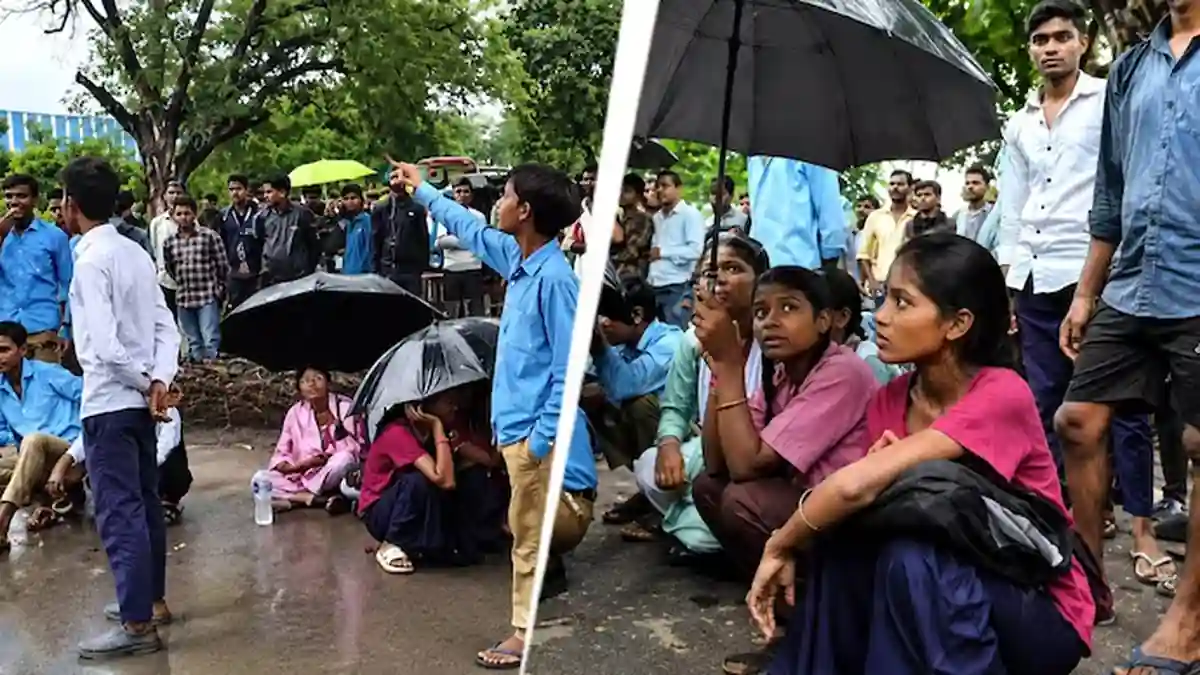
On April 13, 2026, thousands of workers in various factories of Phase 2 and Sector 60 belts in Noida walked out of work demanding equality in salaries with Haryana and enforcing the policy of working hours for 8 hours with extra pay on overtime.
It was mentioned that unskilled workers in Noida received approximately ₹435 a day whereas after the wage adjustment Haryana workers received approximately ₹585 per day. Later the protest led to arson and vandalism with cars getting damaged including one burnt to ashes.
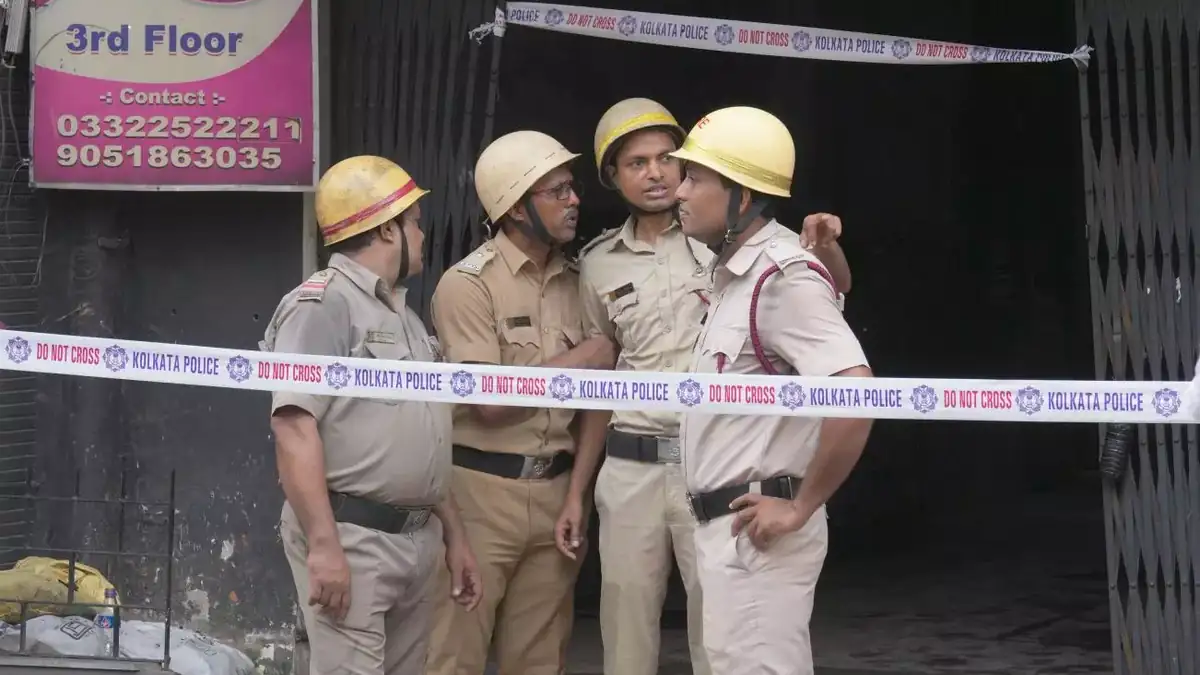
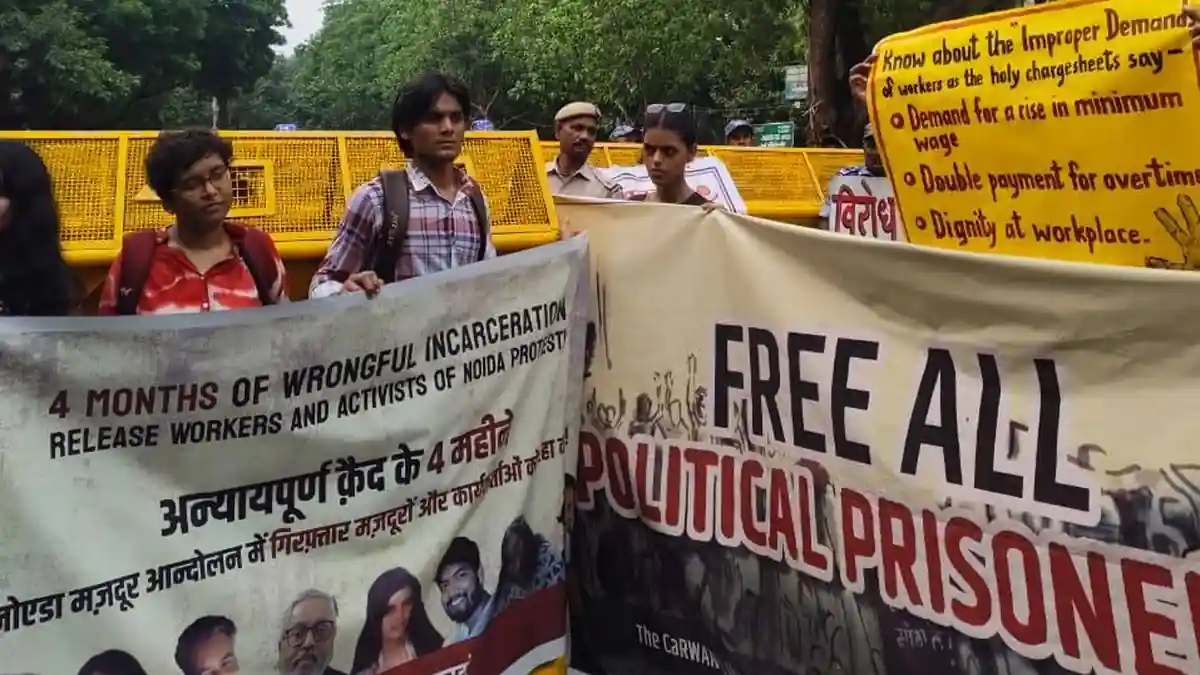
By April 14, 2026 about 300 protesters were detained with 7 FIRs registered. Civil rights activists claimed that many activists were arrested by the police without providing any information where the activists were kept. Some activists claimed that the whole group was detained from the Botanical Garden Metro station.
Relatives of activists waited for the whole day outside Phase 2 police station but they heard nothing. In another situation two lawyers who came to assist those detained activists faced arrest but later on pressure from people activists were freed.
One shocking thing in this story happened to 16 year old Nitin who was kept with adults for several weeks. His relatives said that he did not get any lawyer for almost one month and even after testing it was found that he is underage.
Procedures continued to linger for months. In May, the Supreme Court refused to entertain the appeal of bail filed by the Delhi University student, Aakriti Chaudhary, who was charged and accused in the matter and advised to first approach the Allahabad High Court in view of the fact that “the constitutional remedy cannot bypass regular channels.”
The bench also issued notices in the case of torture during custodial period along with the matter of preventive detention of a journalist covering the protests.
While relief did come to some people, it was uneven. Among 8 FIRs, there were 17 cases where bail was granted to workers through lower courts based on security of Rs. 30,000 and 39 more were granted by the sessions courts with Rs. 40,000-50,000 while 92 appeals were dismissed out of hand, forcing the next step to be the Allahabad High Court.
The custody periods came at a significant financial cost for the affected families. While on average each family spent close to ₹25,000 for each arrested person over one month of attending court hearings and spending time at police stations and jails, more extensive calculations revealed household legal expenditures ranging between ₹27,500 and ₹2.5 lakh.
In total, collective legal expenditures were estimated at ₹7-10 lakh. At the same time, many families had difficulties finding work due to pending cases against them.
Along with continuing arrests, the protesters managed to provoke an official response in the form of a 20-21% increase of minimum wage rate in the state issued by the Uttar Pradesh Government on April 18. However, this compromise decision did not bring any relief to people who remained in custody without bail.
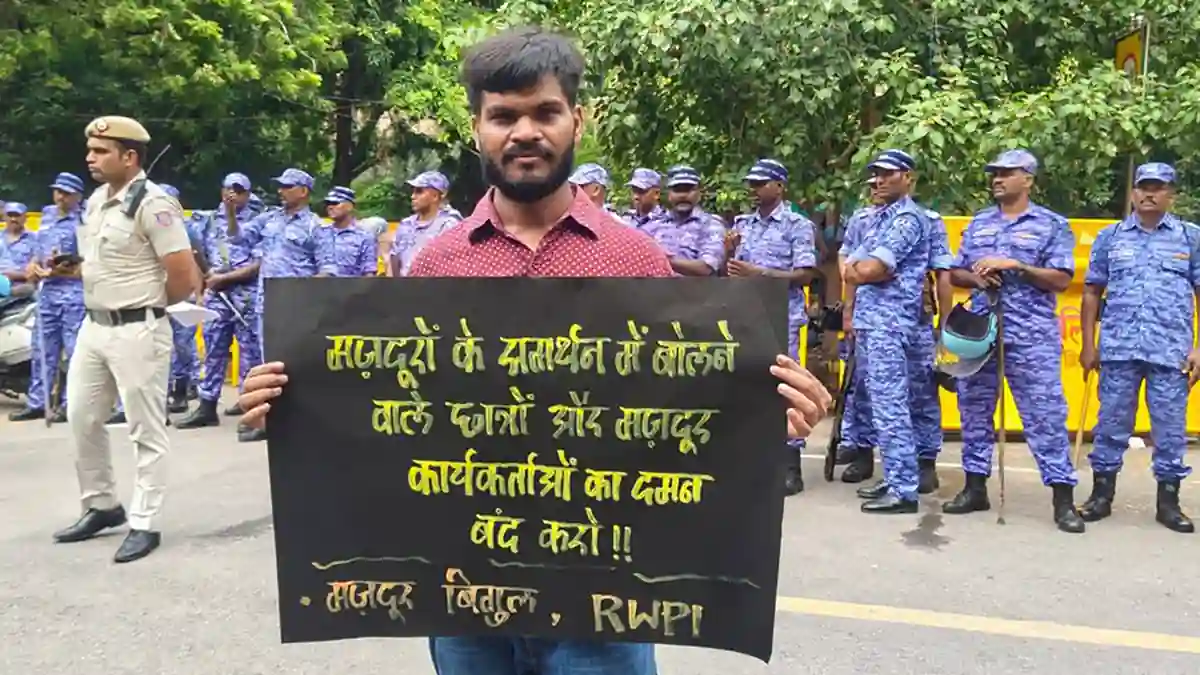
Photo: @Social Media/X