The current Europe is experiencing one of the deadliest heat waves recorded in its history, and the human casualties are becoming apparent. On Sunday, June 28, 2026, the World Health Organization (WHO) reported that there had been more than 1,300 "excess deaths" registered in Europe from June 21 because of the high temperatures.
The excess death rate is the figure of deaths exceeding normal death rates for the particular month in a certain area. This approach helps health organizations evaluate the true consequences of the event without considering that some cases may not be categorized as heat-related deaths on death certificates.
France has experienced one of the worst situations. The country's health organization, Santé Publique France, reported that starting from July 24, about 1,000 additional people died more than was expected during the same days of the year. The daily number of deaths in France exceeded 1,400 on Thursday and Friday, while the typical daily number was from 900 to 1,000 in April and May. The officials expect that this figure will continue to increase because currently the statistics are calculated using only death certificates registered online, and it covers just 60% of deaths in the whole country.
However, just like the previous heatwaves, the people who have been affected the most are the senior citizens. In France, 85 percent of the deaths that occurred since Wednesday involved those who are 65 years old or more. It has been reported that there has been an increasing trend of deaths of people who die at home, especially within the Île-de-France region where Paris and its densely populated surroundings lie.
In spite of the above-mentioned fact, the heat wave has not affected only the older generations. Two toddlers, aged two and four, respectively, have been found dead in a parked car by their mother. Their deaths were suspected to have occurred due to heat, according to local authorities. Three elderly people aged 80 to 95 have died on the weekend due to heat-related illnesses.
Moreover, many people have headed for water bodies in order to get refreshed, resulting in a number of fatalities. There were 13 deaths due to drownings recorded within one weekend in France, as well as one 21-year-old footballer named Kenzo Kies, who has reportedly drowned in the Rhône River. In Germany, at least seven individuals died in swimming incidents amid temperatures that crossed 40°C in various places.
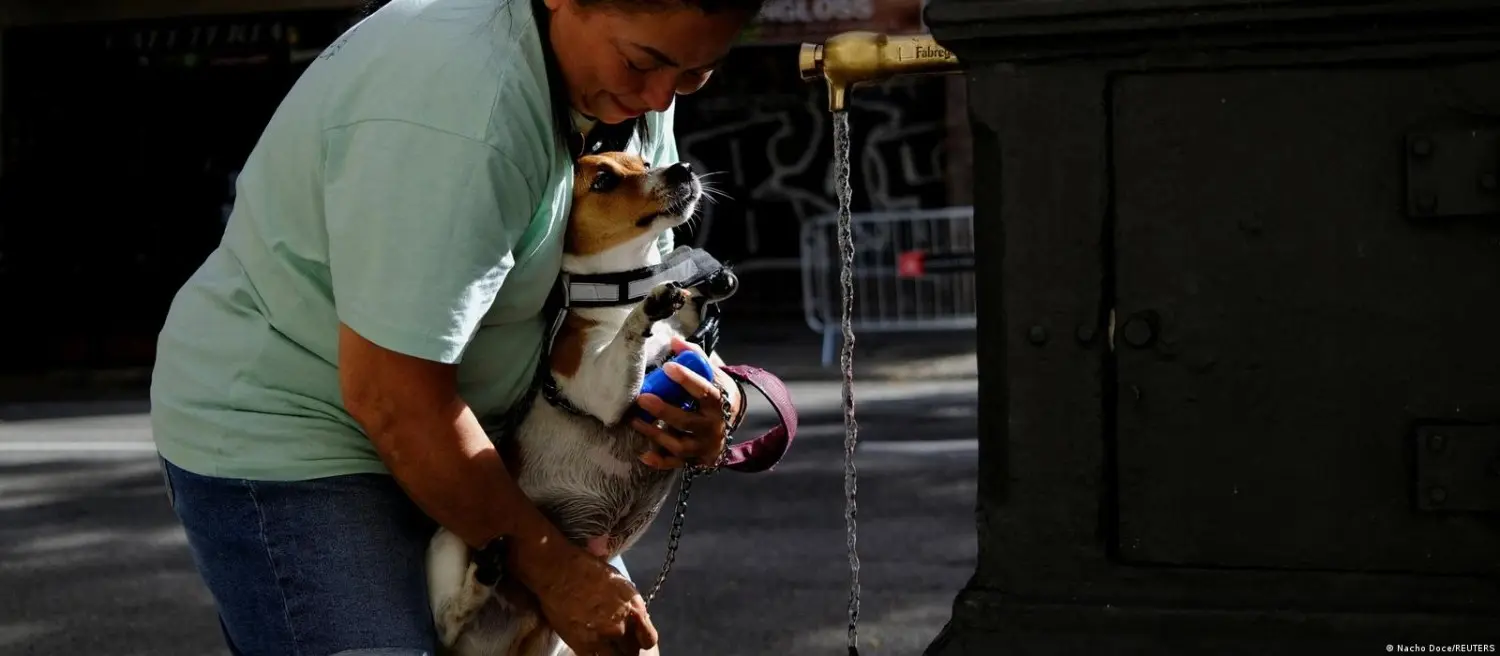
Photo: @Nacho Doce/Reuters
The figures related to this particular wave of heat are quite surprising. Temperatures in some regions in France have risen above 40°C (104°F), Poitiers broke its record from 1947 with the highest temperature of 41.2°C, and Pissos has reported even higher readings – 42.2°C. The UK experienced its warmest June day on record, and the village of Santon Downham in Suffolk had reached 37.3°C.
With the wave moving further towards the East, the record-breaking temperatures did not stop. The all-time high temperature for Poland of 40.2°C which has been standing since 1921 has been surpassed, with the country's temperatures rising up to 40.5°C. The Czech Republic, Slovakia, and Hungary also faced temperatures above 40°C. Based on the estimates made on forecasts of the German Meteorological Service, at least 191 million people across Europe would experience 35°C or higher temperatures during one day, whereas 381 million people (almost all of the population on the continent except for Turkey) would face 30°C or higher temperatures.
Spain and Germany have also reported temperatures higher than 40°C. In Spain, the country's Daily Mortality Monitoring System identified more than 400 fatalities from the heat between Wednesday and Saturday, of which 174 were excess deaths.
Experts have argued that such heat waves would not have occurred without human-induced climate change. The occurrence of such conditions is said to be a result of an "omega block" weather phenomenon — a situation whereby the Greek letter Omega weather condition causes the occurrence of a dome of heat to remain in a certain region for a long time.
Also, scientists have identified an even more disturbing aspect of this phenomenon, and it is the occurrence of abnormally high nighttime temperatures. In the view of scientists, this week's nighttime warming trend occurred at least 100 times more frequently due to climate change as opposed to two decades ago. This is important to note since humans need cool nights to recover from their exposure to the heat experienced during the day.
The WHO chief executive officer, Dr. Tedros Adhanom Ghebreyesus, highlighted this aspect by referring to heat stress as a “silent killer” that occurs when “European homes, workplaces and schools were not designed for these kinds of temperatures.” The once-in-a-generation heat wave trend is no longer an occurrence once in a generation but has become almost annual, with Europe being the fastest warming region of the planet.

Photo: @Jerome Gilles/Nurphoto
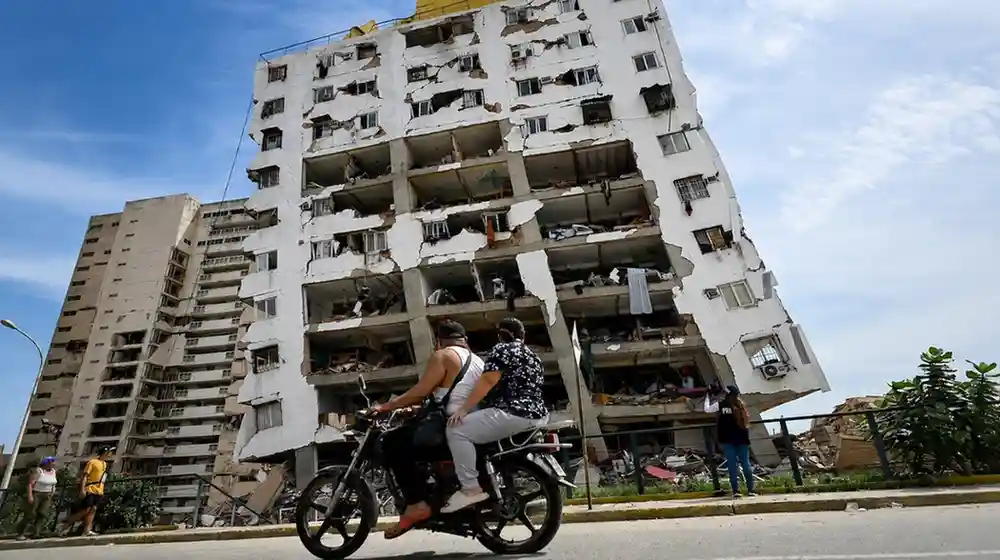
Besides the effect of the heat wave on humans, the infrastructure of the continent is being faced with extreme stress from the heat wave. The electricity supply system has been put under stress as there has been heavy use of air conditioners—the cost of electricity in Belgium went above 1 euro per kilowatt hour in the evening when the normal sources of electricity generation were unable to meet the peak demand. In Sweden, the railway lines have been distorted owing to the high temperatures causing derailments of trains in Bollebygd.
Even the rivers have suffered a great deal from the heat wave. In Hungary, the Paks nuclear power plant has announced that it will reduce the output as the water of the Danube River, which is used for cooling purposes, has become too hot. In Italy, the level of water in the Po River has become so low that seawater has come 18 kilometers into the river.
Schools have been shut down in several countries; hospitals and emergency services have found themselves understaffed due to the high number of people calling in because of the heat; and heavy thunderstorms—a frequent consequence of heat waves—have struck certain areas of France, Denmark, and Sweden, leading to power cuts and even lightning injuries in one Swedish amusement park.
The French health minister, Stéphanie Rist, warns that despite temperatures starting to fall, the consequences of the heat wave may be felt up to ten days from now due to the fact that health impacts do not automatically vanish when the temperature drops. Although conditions have improved in some regions in western France, the heat wave itself has moved eastwards, and Poland, the Czech Republic, Hungary, and Slovakia now have the highest temperatures.
Across Europe, the health experts advise the residents to drink enough water, keep away from sunlight during the daytime, look after their neighbors and relatives who are in danger, and also not to leave kids or animals inside parked cars. As Tedros said, such an ongoing problem as extreme heat waves should make European countries think about the necessary measures before summer.