On first Monday of September,Americans are paying a tribute to labor force through Labor Day.
But today Labor Day has far surpassed its basic intent and became an accepted end of summer holiday replete with BBQ feasts, shopping sales and much anticipation of three day breaks.
But a solemn and historically meaningful context surrounds this vacation – industrial fighting, the solidarity among labor unions, and the value labor deserves.
The Labor Day can be dated back to the late 1800s as the period of widespread industrialization of the country came to define it.
Those labor forces particularly women and child labor in America's booming factories often worked around the clock or up to 12 hours a day, seven days a week, under conditions that were far from comfortable, leave alone safe, as it would be safe to presume and in America.
labor unions would be formed and out of such efforts Labor Day conception would germinate to have a day specifically designated for those workers.
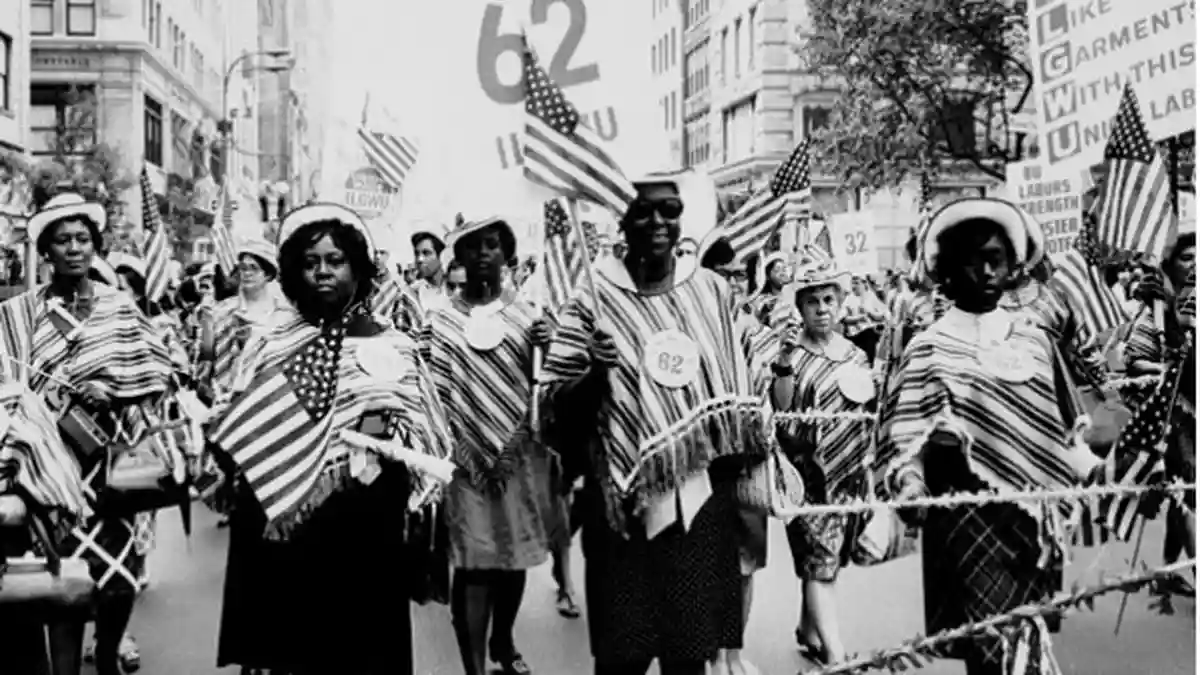
The inaugural Labor Day parade happened on September 5, 1882, and was spearheaded by the Central Labor Union in New York City.
Labor Day was established as a federal holiday in 1894, but its transformation into a national celebration was driven in part by a tragedy in the same year.
The Pullman Strike - a nationwide railroad strike protesting wages cuts - had resulted in violence with the intervention of federal troops to end the strike and the deaths of many workers.
In response to this public outrage and an effort to appease the labor movement, Congress and President Grover Cleveland were quick to pass a bill making Labor Day a national holiday.
At its heart, Labor Day is a celebration of the social and economic achievements of American laborers.
Laborers, in general, have contributed much to the nation's prosperity, strength, and well-being. Many things have resulted from the labor movement including the 8 hour day, minimal wage laws, safe working condition standards and even the weekend.
However, Labor Day differs from its international counterpart and International Workers' Day, celebrated on May 1 internationally, because in contrast to many other nations where the holiday began on a particular date with protest, American laborer leaders requested that Labor Day be held earlier to avoid association with the more radical connotations associated with May Day, or May 1.
This helped to make Labor Day an exclusively American holiday celebration of laborers.
Now-most Americans these days find the holiday is more an informal marker of summer's end than anything else.
Students are often about to begin the school year, sales-driven businesses often begin their big fall clearance, and families take this opportunity to gather, grill, play sports, and enjoy the outdoors before the chill of fall sets in.
Though they don't feature as prominently as in years past, parades of all sorts still occur, most notably a long-standing one held in New York City, to acknowledge the holiday.
At the same time, the holiday remains a time for contemplation on the modern American workplace-on such things as the minimum wage, conditions for gig workers, the work-life balance, and the implications of teleworking; indeed the original inspiration behind the holiday-collective action-still provides an interesting vantage point on the working world, particularly for a new generation on the job.