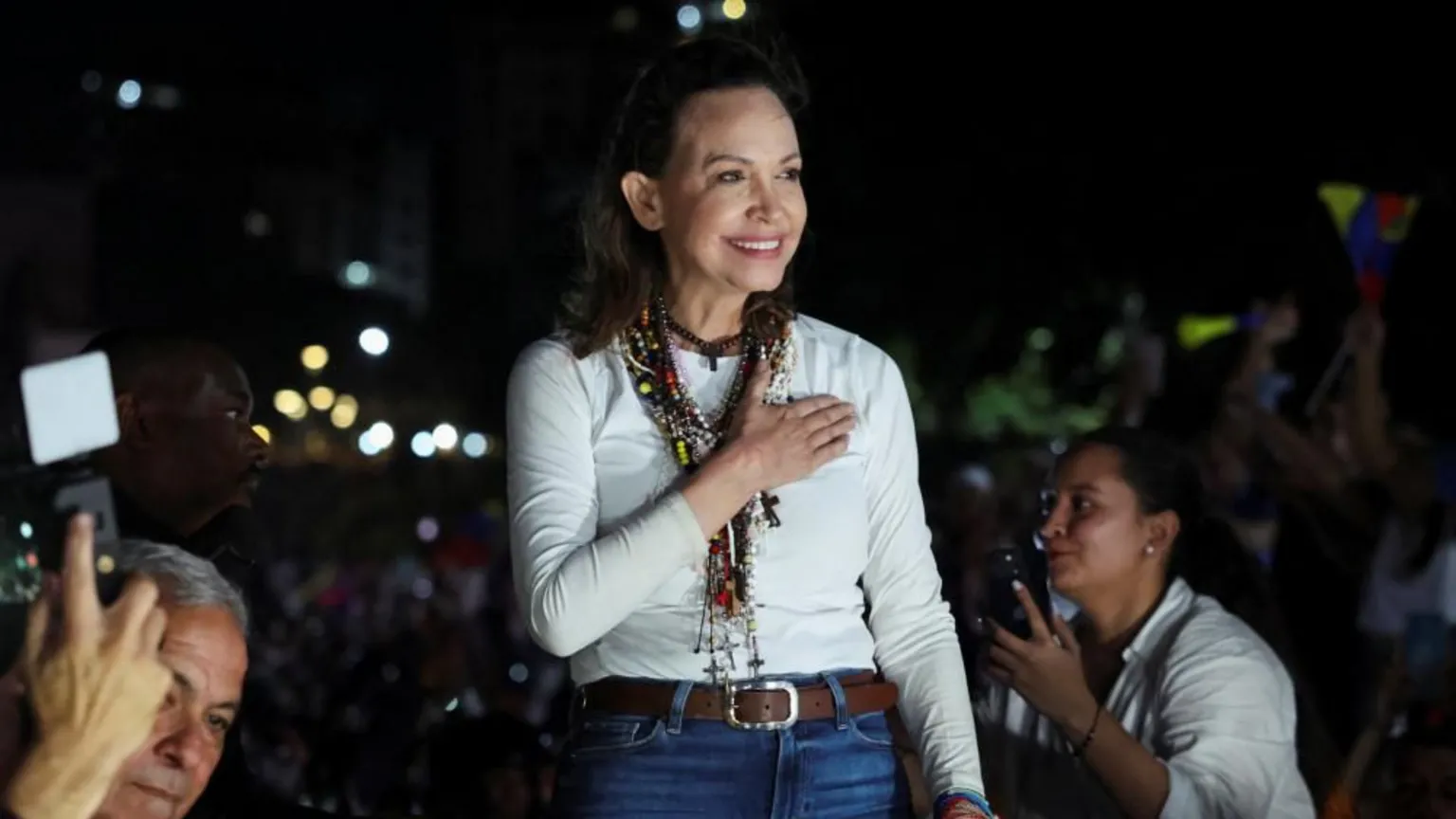
Opposition leader and Nobel Peace Prize winner María Corina Machado is back in Venezuela. She announced it herself on Sunday in a short social media post that began with the words "I am here," then walked into a church.
The church was Santa Rosa in Barquisimeto, Lara state, west of Caracas. Dozens of worshippers applauded, hugged her and held up phones to film. It was her first public appearance inside the country since December, when she slipped out of hiding and left Venezuela to collect the Nobel in Oslo. She missed the ceremony itself. Her daughter accepted the prize.
From Lara she headed for the capital, and the road did the rest. Thousands stood along highways, at toll plazas and on city streets with flags, chanting "Liberty." In Guacara, AFP saw her singing the national anthem to a packed plaza. A trip that should have taken far less ended up lasting about eight hours.
One person briefed on her movements told Reuters that US security contractors guarded her along the way.
Secretary of State Marco Rubio put out a statement the same day. The conditions for her safe return, he said, were the direct result of US-supported reconciliation talks, which he credited with freeing hundreds of political prisoners and bringing hundreds of opposition figures back from exile. He asked every political actor to back the process, calling it the best chance Venezuela has had in thirty years at a free and fair election.
The awkward part is who sits at that table. Machado's political movement does not.
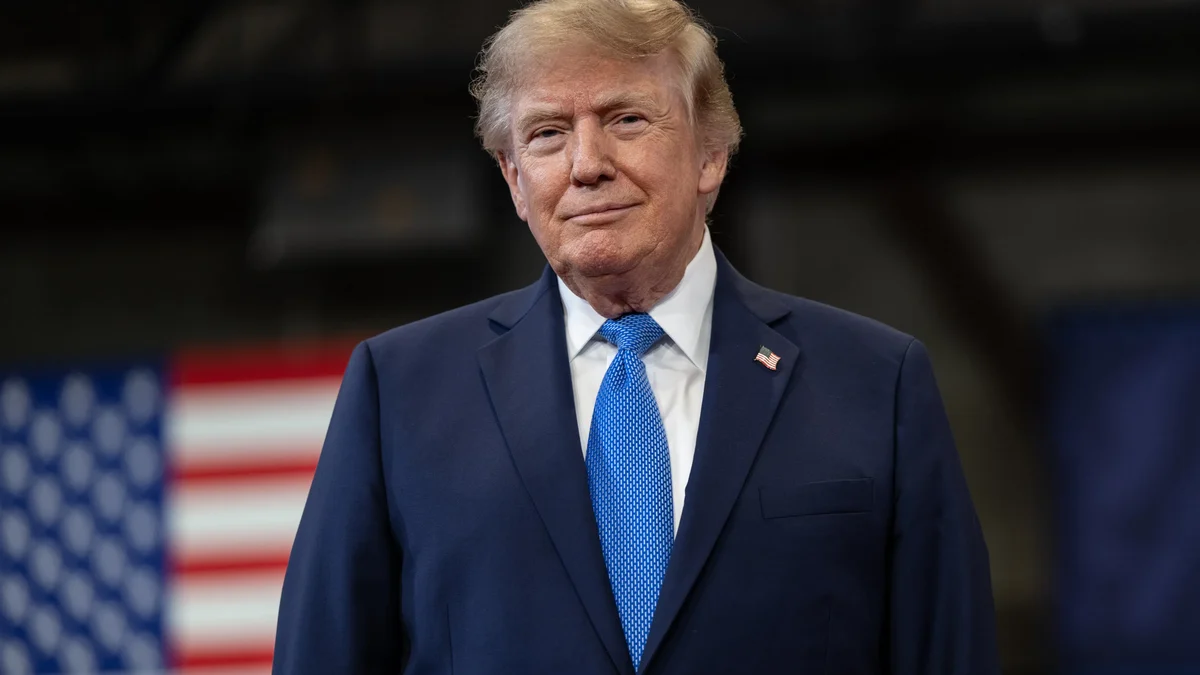
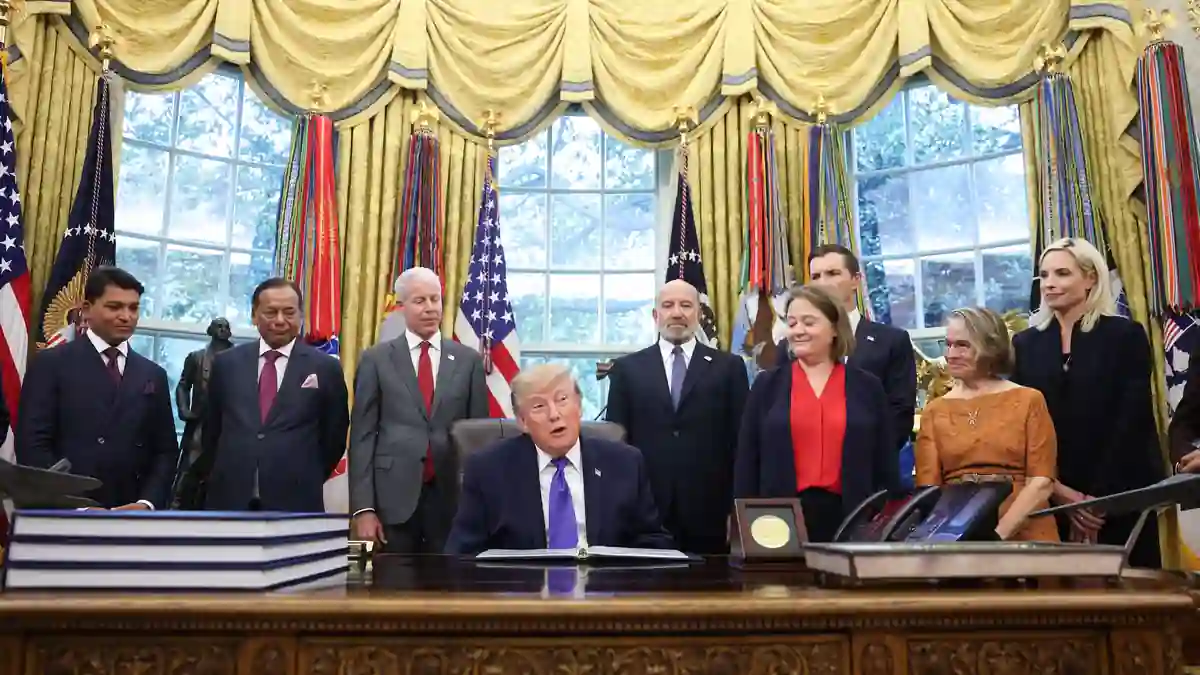
President Donald Trump, asked about her return, said he had not heard about it. "She gave me her Nobel prize, so how can I say anything else?" he added. Machado handed him her medal after the Nobel, a gesture that drew criticism at home.
Rodríguez has led Venezuela since January, when a US military operation captured Nicolás Maduro in Caracas and flew him to New York to face drug-related charges. He denies them. Many Venezuelans were stunned that Washington chose to work with Rodríguez, a longtime Maduro ally, rather than with Machado.
The interim government has promised elections and has not named a day. Speaking at the UN General Assembly in September, Rodríguez said Venezuelans would decide the "right moment." Rubio's position is that the economy has to stabilize and institutions need rebuilding first, courts and the electoral council included.
Machado wants a date now. She has said she intends to run in whatever vote is organized, and, according to Latin Times reporting, believes one could happen before the end of 2026.
Pressure was building before she landed. Last Thursday, thousands marched in Caracas and other cities, demanding an election date and her return.
Her party says she made seven failed attempts to come home. Opposition activists accused the government of blocking her. Venezuelan authorities deny that. US officials also deny holding her back, though they have acknowledged that on some occasions they advised her against returning because of safety concerns.
Rodríguez had said more than once that Machado "will have to answer" if she came back. Most observers took that as a hint of legal trouble. As of Sunday there was no visible effort to stop or detain her.
Machado won the opposition primary in October 2023 by a wide margin. The government barred her from the 2024 presidential race, and Edmundo González ran in her place. The opposition says it holds credible evidence that González won that vote. What followed was a crackdown. AFP reports 28 people died and more than 2,400 were arrested, among them dozens of Machado's associates. Several leaders of her Vente Venezuela party have only recently come back from exile.
Machado spent much of 2025 in hiding inside the country after a brief detention at a protest in January. She left Venezuela in December. Since then she has lobbied governments in Washington, Panama City and Madrid to push Caracas for a date.
The first question is safety. A government that has spent two years threatening her now has to decide whether to act on it with thousands of her supporters in the streets and Washington watching.
The second is the talks. Rubio wants her on board with a process she had no hand in shaping. She wants a calendar. Those positions do not currently overlap.
The third is simply the date. Neither Rodríguez nor the Trump administration has announced one, and the crowds on Sunday were not chanting for patience.