A powerful earthquake hit southern Panama Friday afternoon. Magnitude 7.7, strong enough to shake buildings over 100 miles away in Panama City, and strong enough to send tsunami warnings rippling across much of the Pacific coast of Central and South America. A second quake, 6.6 magnitude, hit hours later. Dozens of aftershocks followed through the rest of the day.
The U.S. Geological Survey put the time at around 1:56 p.m. ET Friday.
The epicenter sat about 10 kilometers southwest of Pitaloza Arriba, a small, remote community in Panama's central Herrera province, at a shallow depth of just 10 kilometers.
USGS actually started with an estimate of magnitude 8.0 before walking it back, first to 7.6, then settling on 7.7.
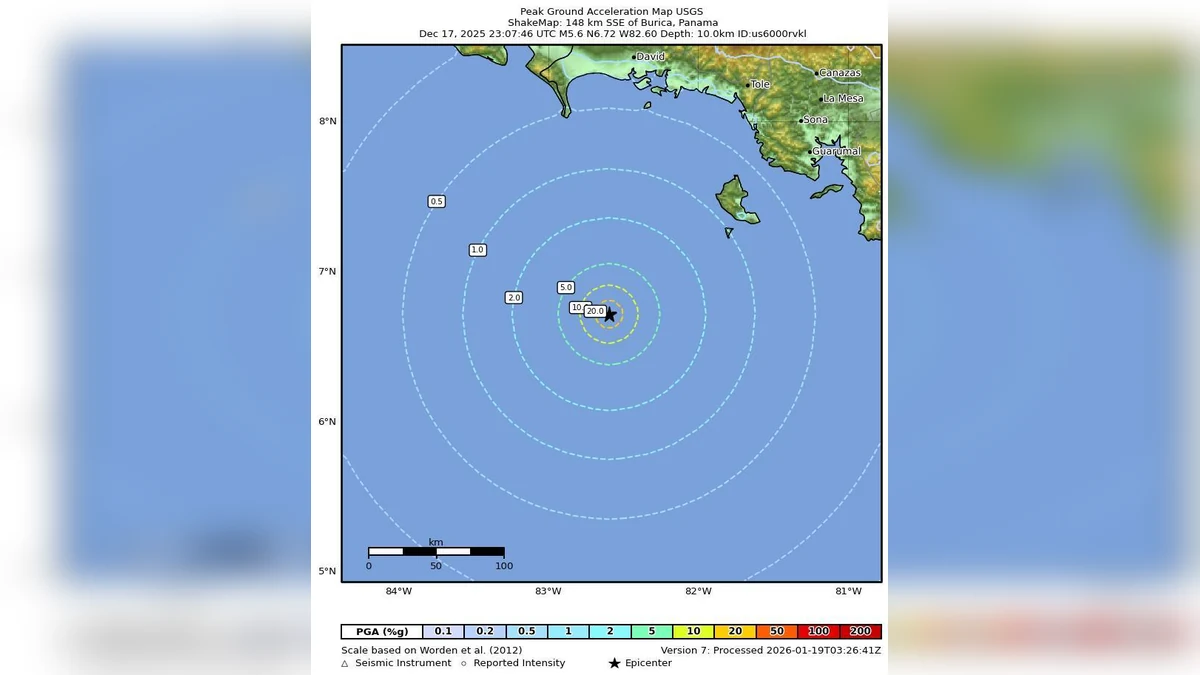
Photo: U.S. Geological Survey (USGS)
Panama's Civil Protection service said the central provinces of Veraguas, Herrera and Los Santos took the worst of it.
Agency official Omar Smith confirmed several injuries, including one person hit by falling debris when a building partially collapsed in Penonome, roughly 93 miles from the capital.
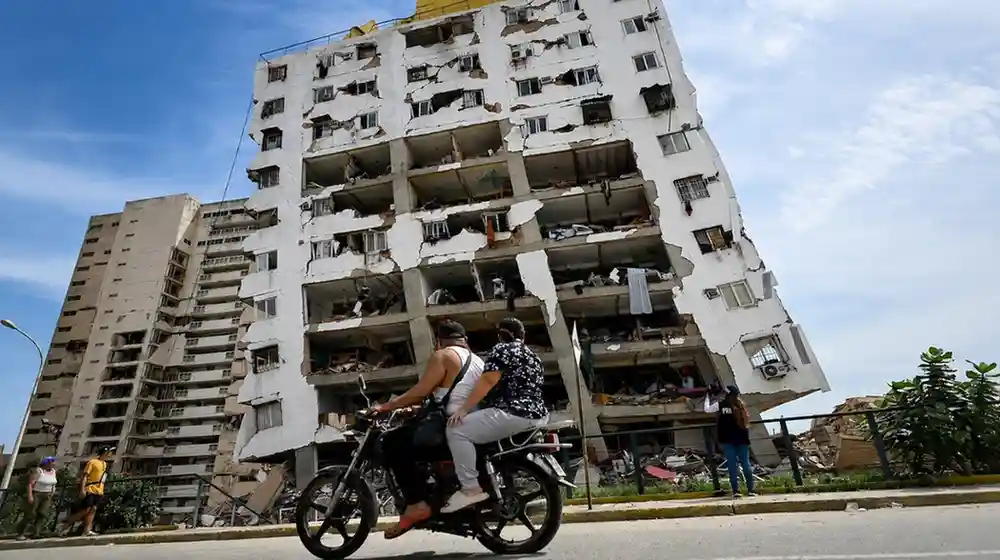
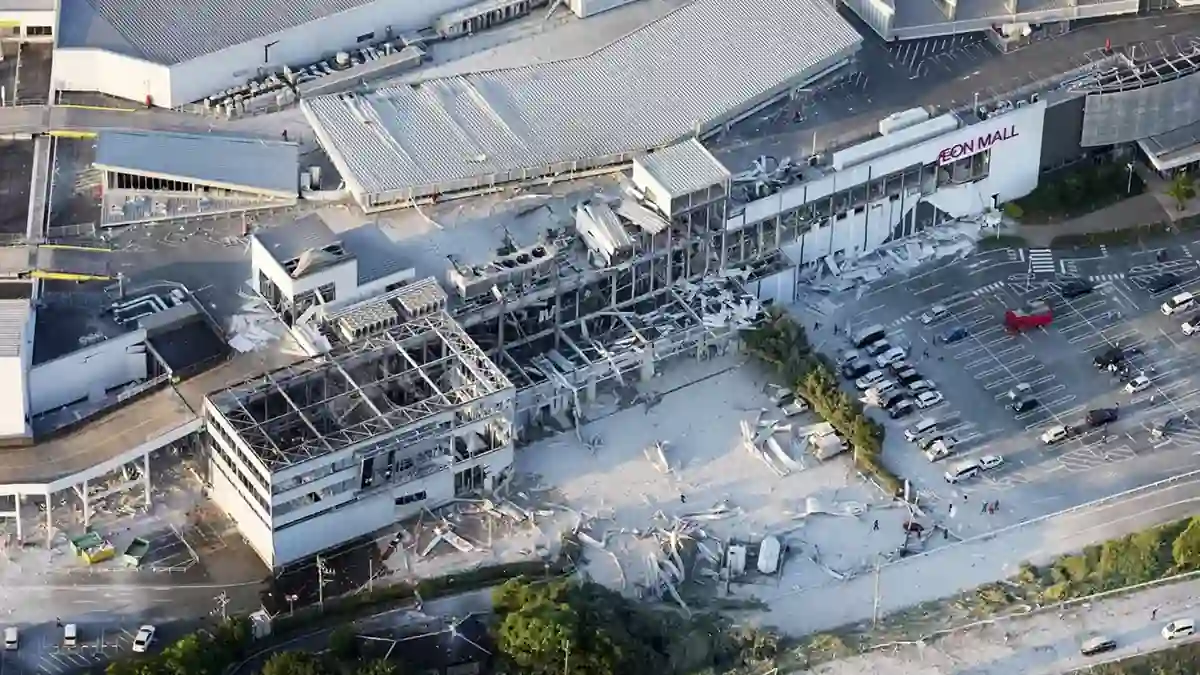
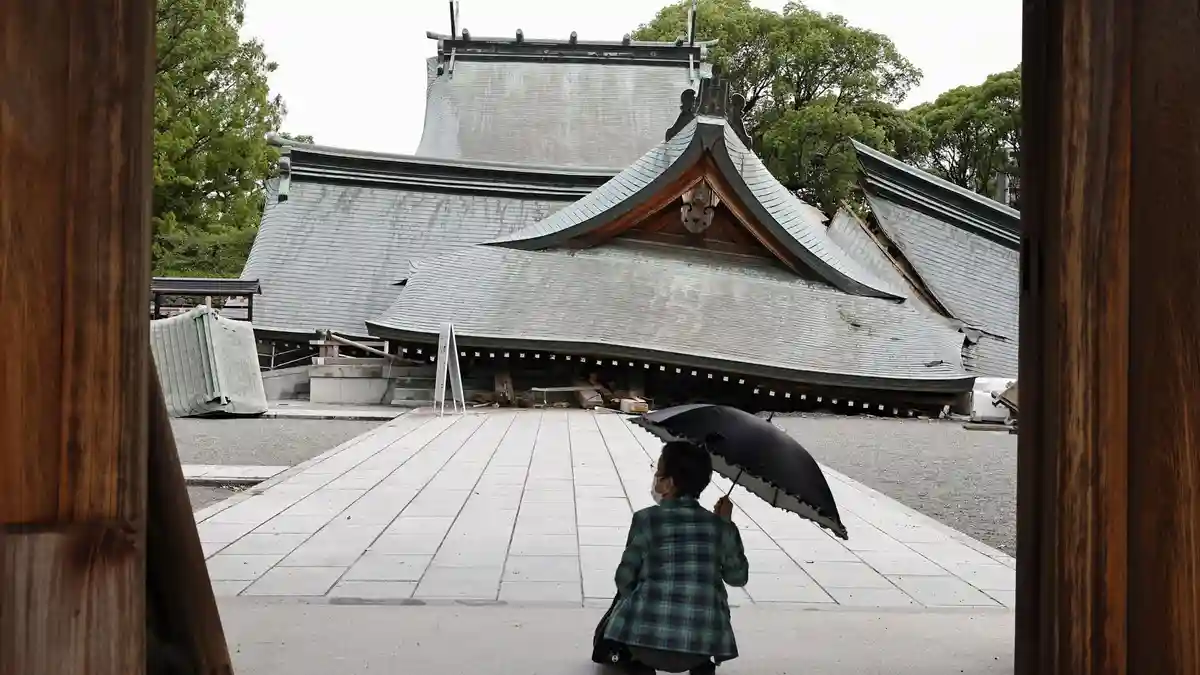
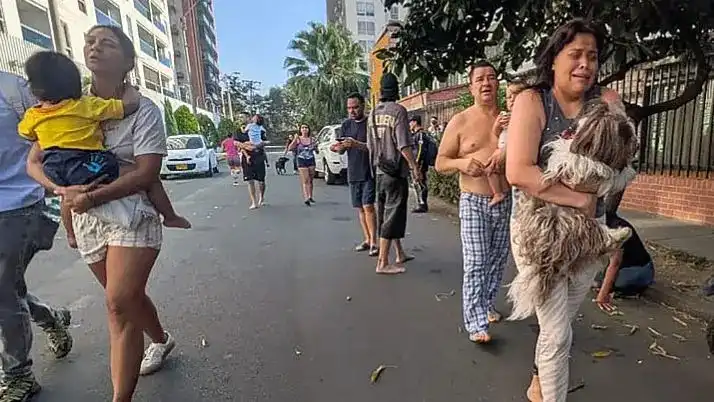
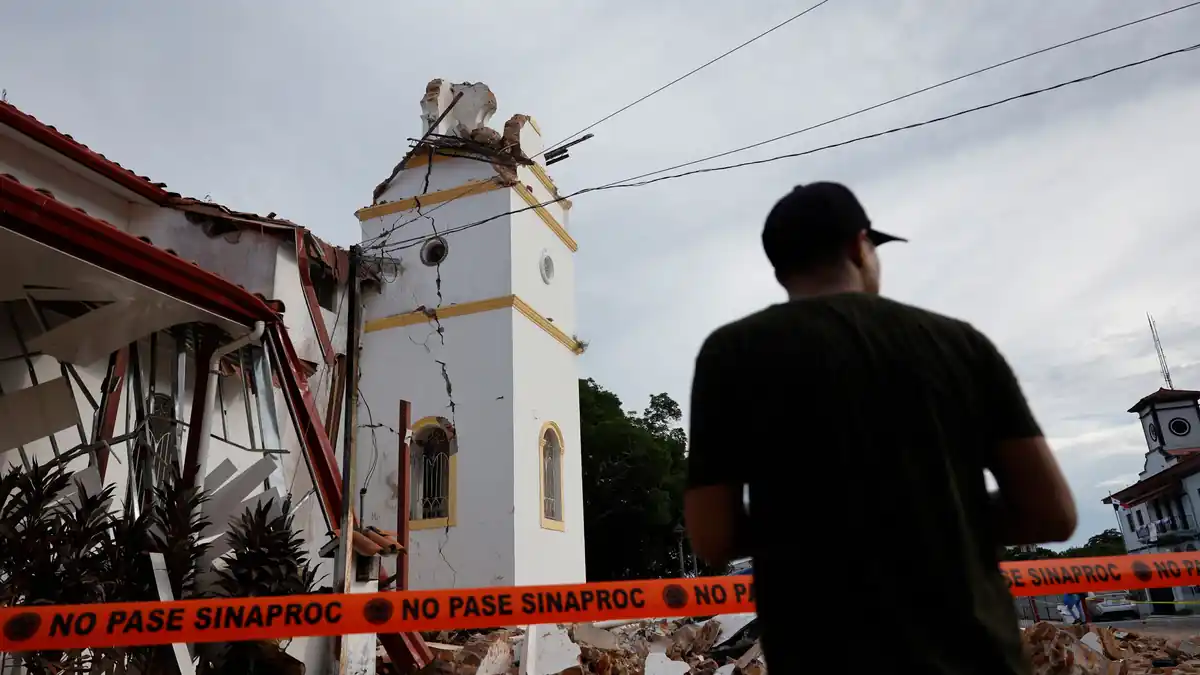
Photos coming out of the area show collapsed buildings, crushed cars, debris in the streets, and people standing outside wherever they could find open space.
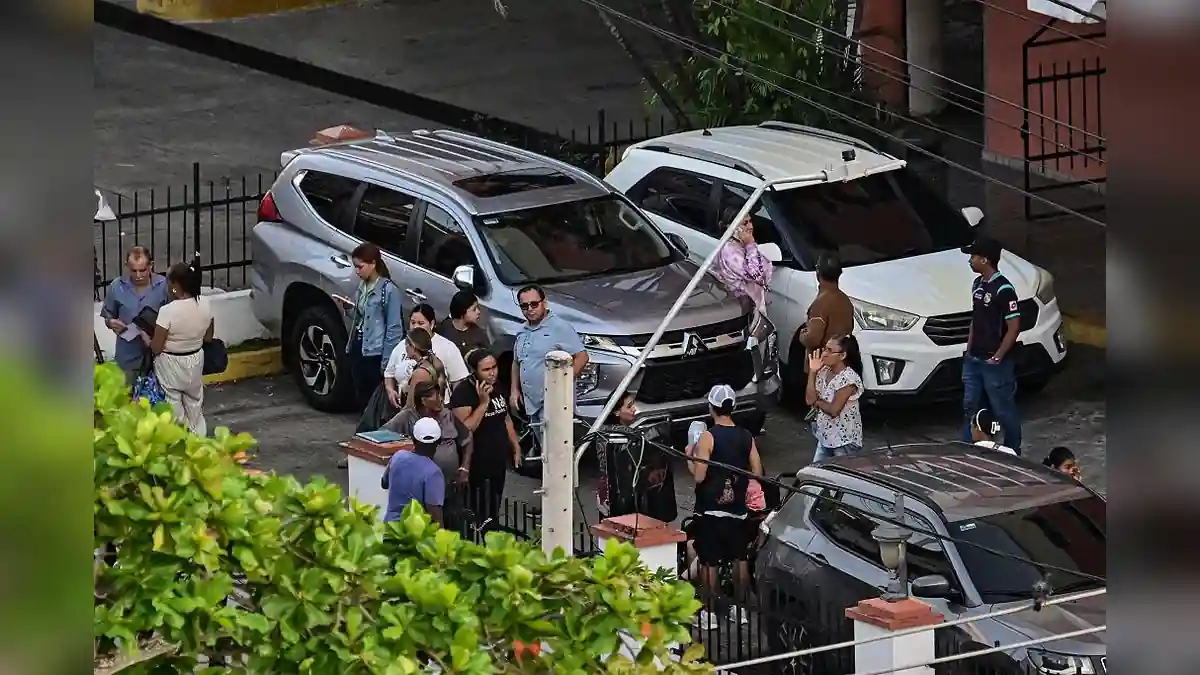
Photo: AP
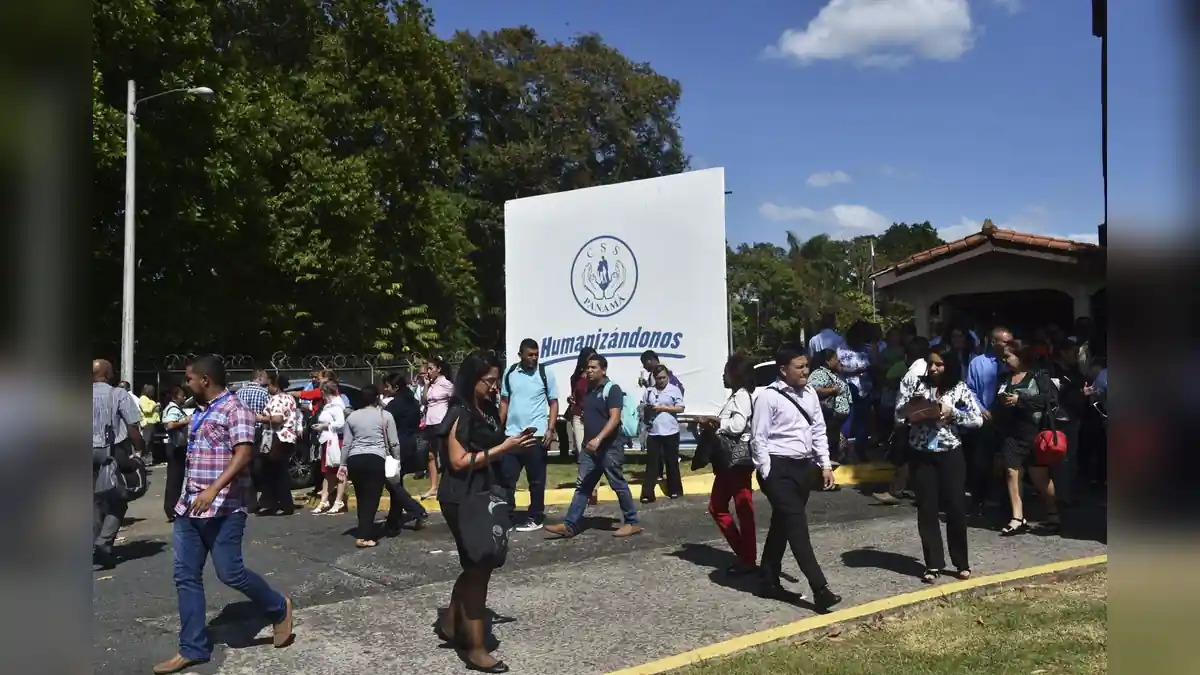
Photo: AP
The San Juan Bautista Cathedral in Penonome got damaged. So did the building that houses the regional government offices there. No deaths have been confirmed as of Friday evening.
Panama City itself, famous for all its skyscrapers, didn't report structural damage, even though people there definitely felt it enough to head outside. Rosendo Dominguez, 60, lives in Herrera province close to where it hit. He told the AP by phone: "It knocked things over in the kitchen, but we're okay, though we're very scared."
Given the size of this quake, the U.S. Tsunami Warning Center issued alerts for a long stretch of coastline, Panama, Colombia, Ecuador, Nicaragua, Guatemala, Mexico, El Salvador, Costa Rica, Peru. Some reports say the warning reached as far as Chile's Easter Island.
Tocumen International Airport, one of the busiest in the whole region, over 20 million passengers in 2025 alone, shut down operations briefly after the first quake, then reopened Friday afternoon.
The Panama Canal Authority said shipping through the canal kept running normally despite everything happening around it.
University of Panama seismologists recorded more than 45 aftershocks after the main quake.
Most were too weak to actually feel. USGS logged a few bigger ones too, between magnitude 4.8 and 5.8, including back-to-back 5.8 and 5.5 shocks not long after the first big one. Then that second major quake, 6.6, hit the southern part of the country a few hours later.
People as far away as Colombia reportedly felt the shaking, which gives you some sense of just how wide the impact zone actually was.
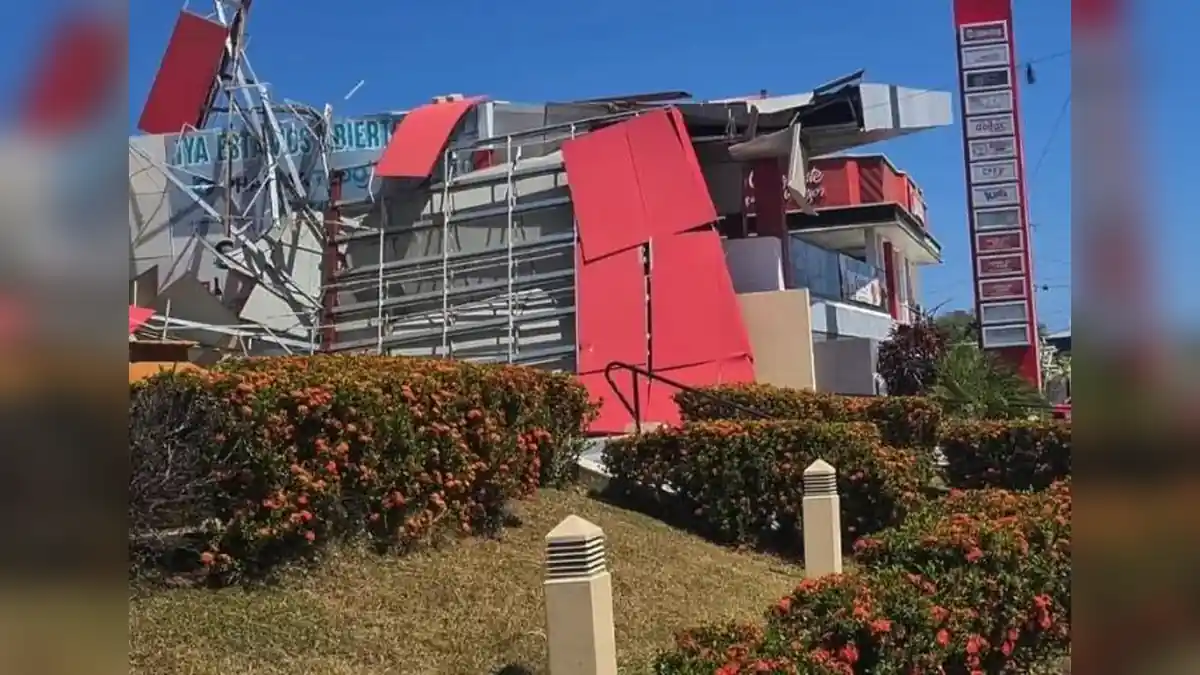
Photo: AP
Panama hasn't dealt with earthquake damage on this scale since 1991.
That's 35 years without anything close to this. For comparison, a 7.4 magnitude quake hit neighboring Colombia this past August and killed at least 289 people, a grim reminder of what quakes this size are capable of depending on depth, location, and how prepared the area is.
Panama's also a popular retirement destination for Americans, so the U.S. Embassy there said it's closely tracking the situation and checking on the welfare of U.S. citizens in the country. Secretary of State Marco Rubio said he's monitoring it too.
Officials are still working through damage assessments in Veraguas, Herrera, and Los Santos, the hardest-hit provinces, and that's likely to take a while given how remote some of the terrain is near the epicenter. With tsunami warnings out across several countries now, coastal communities are watching closely to see whether any real wave activity shows up, something that usually becomes clear within the first few hours after a quake this size.
Right now, the biggest unknowns are how much structural damage exists in areas that haven't been fully checked yet and whether these aftershocks taper off or produce something bigger.
The death toll stands at zero as of this writing, but that, along with injury counts, is expected to be updated as rescue crews reach more of the affected areas.