India’s political capital continued to be on tenterhooks on Tuesday amid Opposition efforts to step up their battle with the ruling dispensation over the Delhi Police's management of protests led by the Cockroach Janta Party (CJP), with some Opposition leaders set to stage a march to Rashtrapati Bhavan to appeal to President Droupadi Murmu for an intervention.
This comes after a day marked by scenes of chaos in central Delhi on Monday, when hundreds of protesters protesting against the NEET-UG 2026 paper leak stormed into security forces as the Monsoon Session of Parliament commenced.
The agitation is rooted back to June 20, when Cockroach Janta Party, a youth-based movement which derives its name from an expression of the Chief Justice of India referring to young aspirants as "cockroaches," started a sit-in at Jantar Mantar.
The core issue of CJP movement has been the resignation of Union Education Minister Dharmendra Pradhan due to the alleged irregularity in the NEET-UG entrance test for studying medicine.
The agitation garnered much attention after activist Sonam Wangchuk and a bunch of students from the Left-oriented All India Students' Association went on a hunger strike in favor of the agitation.
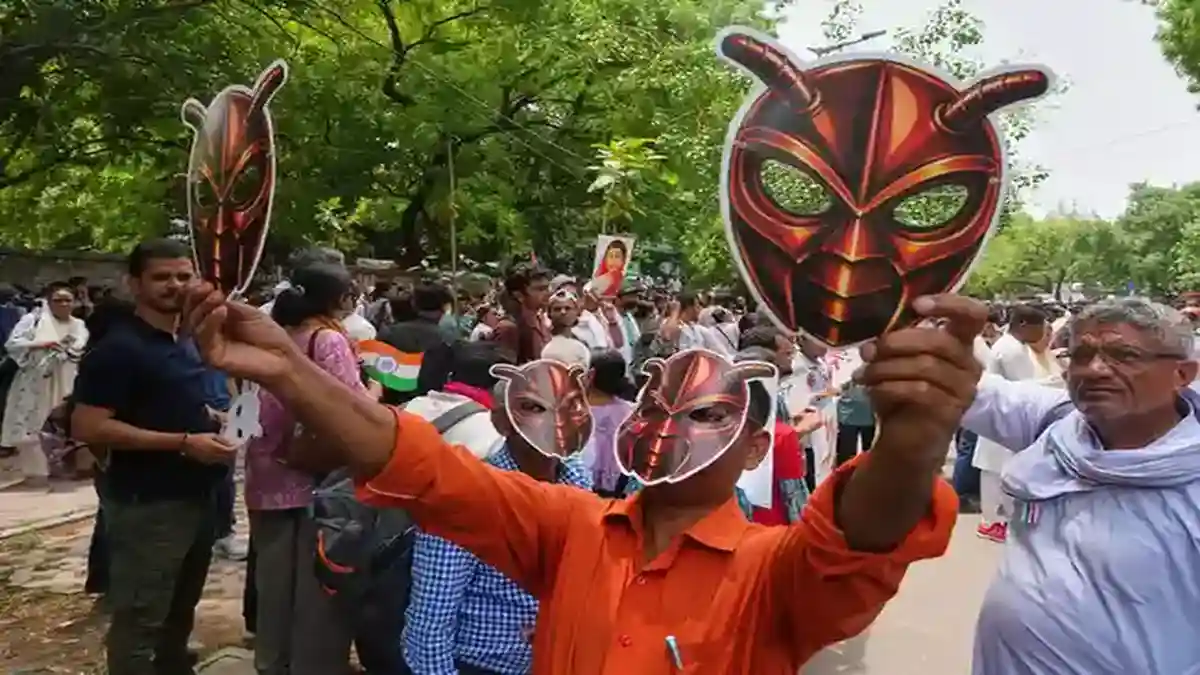
However, matters became serious Monday, when CJP supporters tried to conduct a "Chalo Sansad" march towards Parliament amidst prohibitory order and lack of consent for the march from Delhi Police on the first day of the Monsoon Session of Parliament.
There were thousands of people who took part in the demonstration beginning from Jantar Mantar, including students, parents, and elders, despite the rains and heavy police presence.
The Delhi Police used teargas shells and baton charges in different locations such as the Constitution Club, Patel Chowk, Shastri Bhawan and others on the way to Parliament Street.. Nevertheless, the protesters managed to regroup and climb the barriers and find other.
Adding to the tension in this conflict is the deteriorating health of Wangchuk, whose hunger strike has now gone into its 24th day on Tuesday. According to the morning bulletin issued by Safdarjung Hospital, which is treating him, the vital signs of Wangchuk are still stable, however, several issues have been brought to the notice, like low sugar level, low potassium and pancytopenia due to fasting.
In spite of recommendations from doctors, Wangchuk continues to reject intravenous fluids and glucose intake through oral rehydration and intake of potassium. His continued fasting, along with the fact that he tried to exit the hospital against medical advice to join the protesters, has further pressured the government and the Opposition to reach an agreement.
On Tuesday, the Resident Doctors' Association of AIIMS Delhi raised its concern over the issue, requesting President Murmu to ask for an independent, time bound investigation into the incident at Jantar Mantar, as well as raising questions over Wangchuk’s independence as a patient.
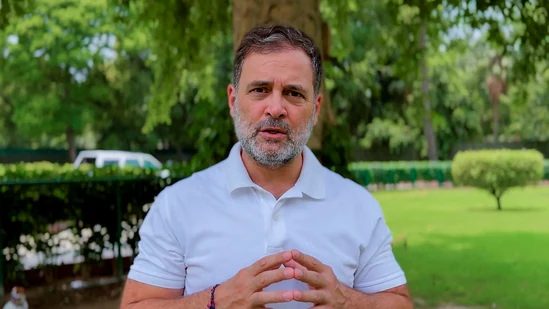
The senior members of the Opposition did not take long to associate themselves with the movement initiated by the CJP. Leader of the Opposition in the Lok Sabha, Rahul Gandhi, called on Prime Minister Narendra Modi to apologize to the students for the actions of the police.
He accused the government of letting down the country's youth and for failing to engage with the problems relating to the examination system. AAP national convenor Arvind Kejriwal went further to say that the police action against the student protesters was tougher than that of the colonial era and that he would be setting up a helpline to help with legal and medical aid for those injured and for the families of the students who were detained.
Kejriwal visited Ram Manohar Lohia Hospital where he met some of the injured protesters.
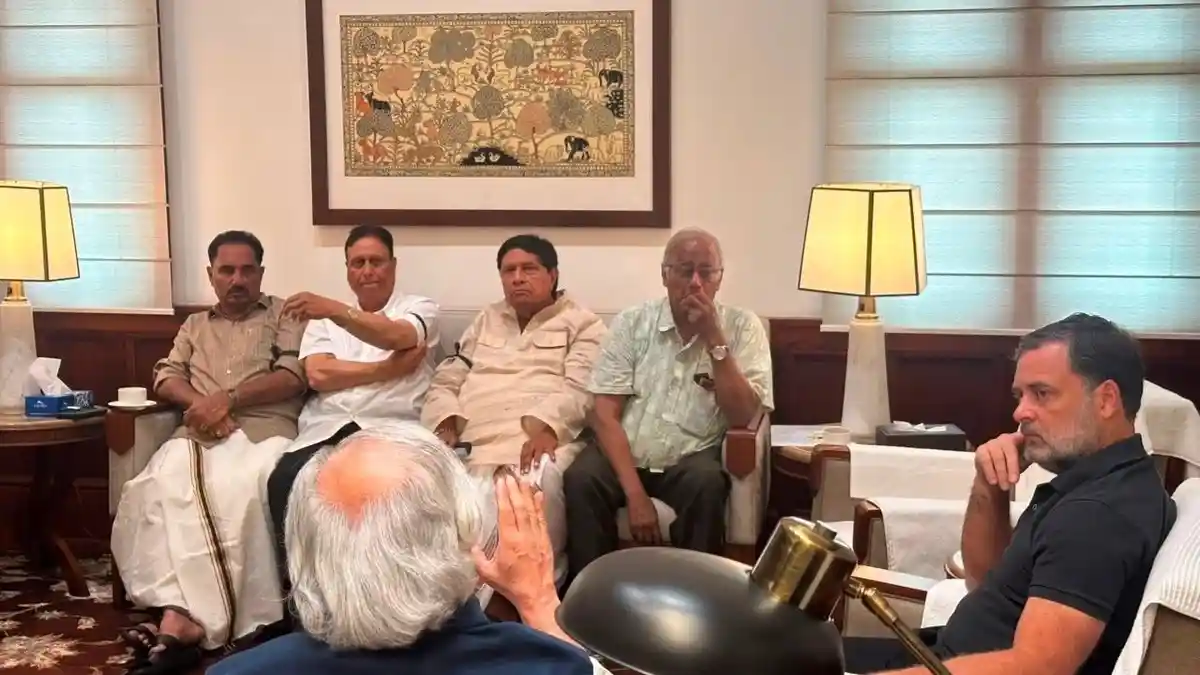
It is against this context that the Opposition members are planning a march from Parliament House to Rashtrapati Bhavan where the same route has been used several times before in order to protest against the government. In recent times, the reason for marching from the Parliament House to Rashtrapati Bhavan has either been related to the misuse of central agencies, demands for.
While the government, on the other hand, has shown some inclination to talk despite defending the actions of the police.
Union minister JP Nadda has met CJP members Saurav Das and Ashutosh Ranka on two occasions in a couple of hours, having been handed over a formal memorandum that asked for Pradhan’s dismissal.
Although nothing concrete has been committed by the authorities thus far, but CJP members claimed that they were assured of the fact that there will be no further crackdown in Jantar Mantar.
The Delhi Police, on the other hand, stated that it used force only when protesters violated security barriers and in an attempt to handle the stampede like situation, has filed a case against unknown persons for the vandalism and stone pelting reported near Connaught Place on Monday.
In his address to the meeting of the parliamentary party of the BJP-led NDA government, Prime Minister Modi demanded sternest action against those arrested in relation to the NEET-UG paper leak.