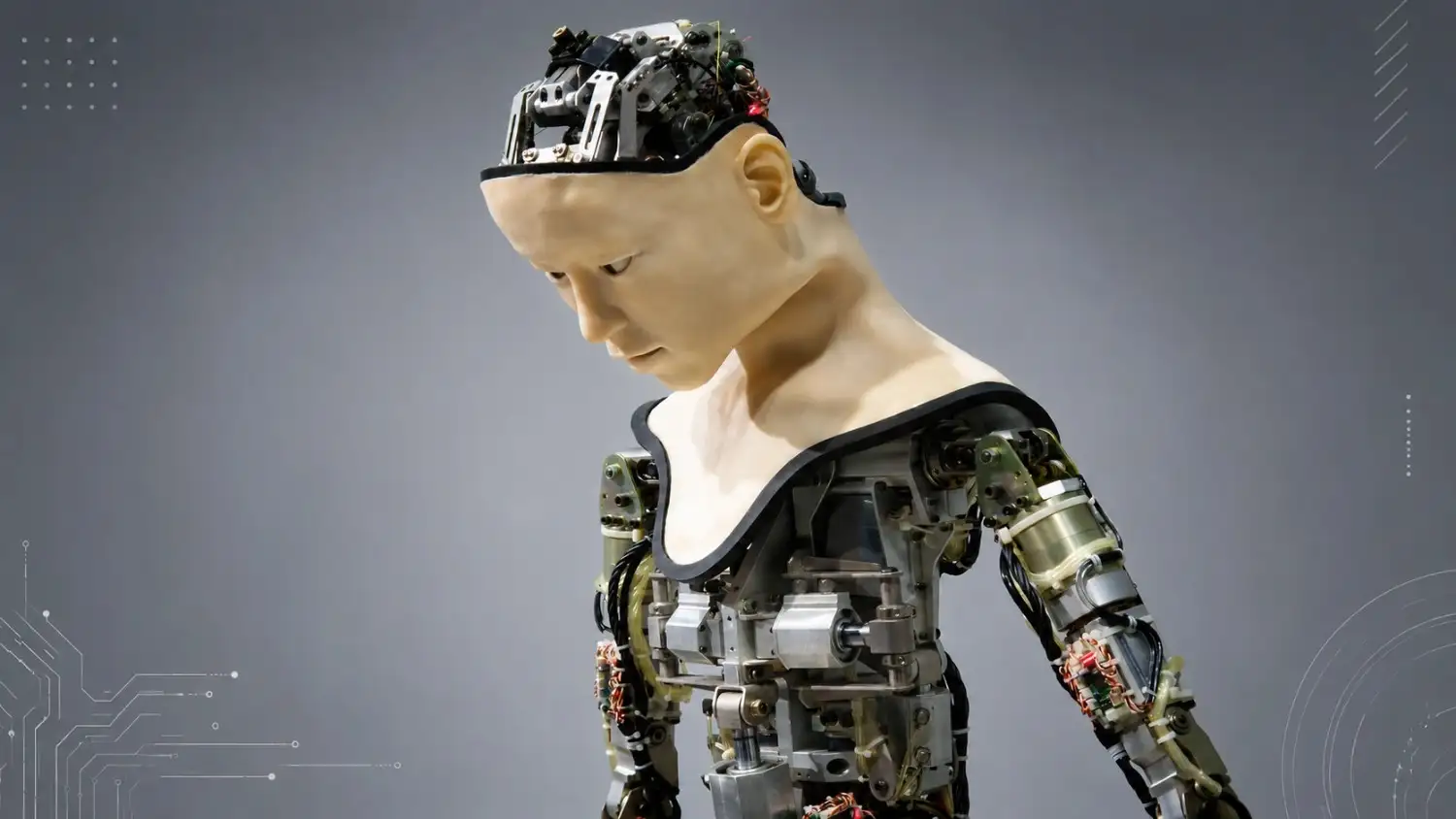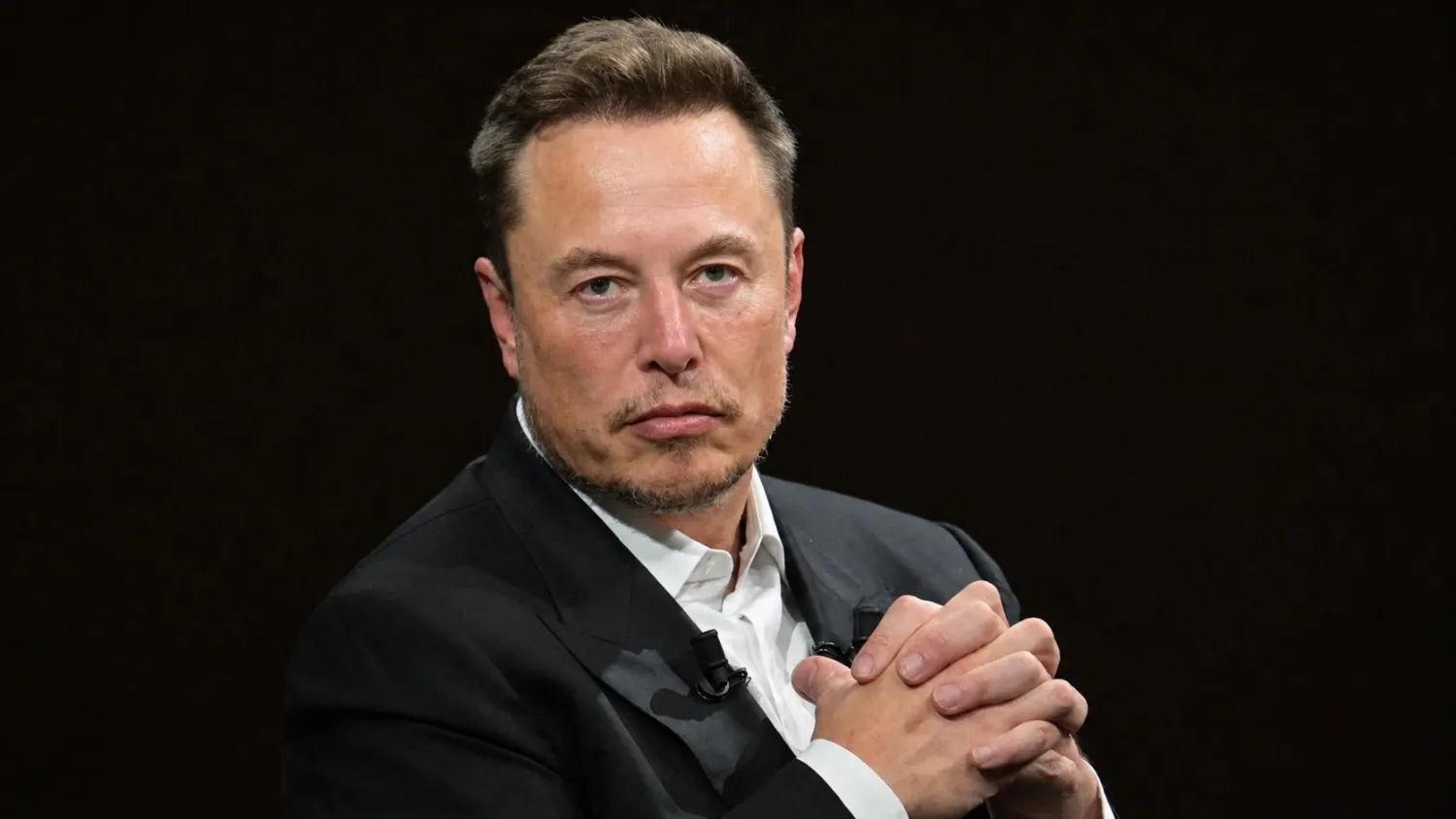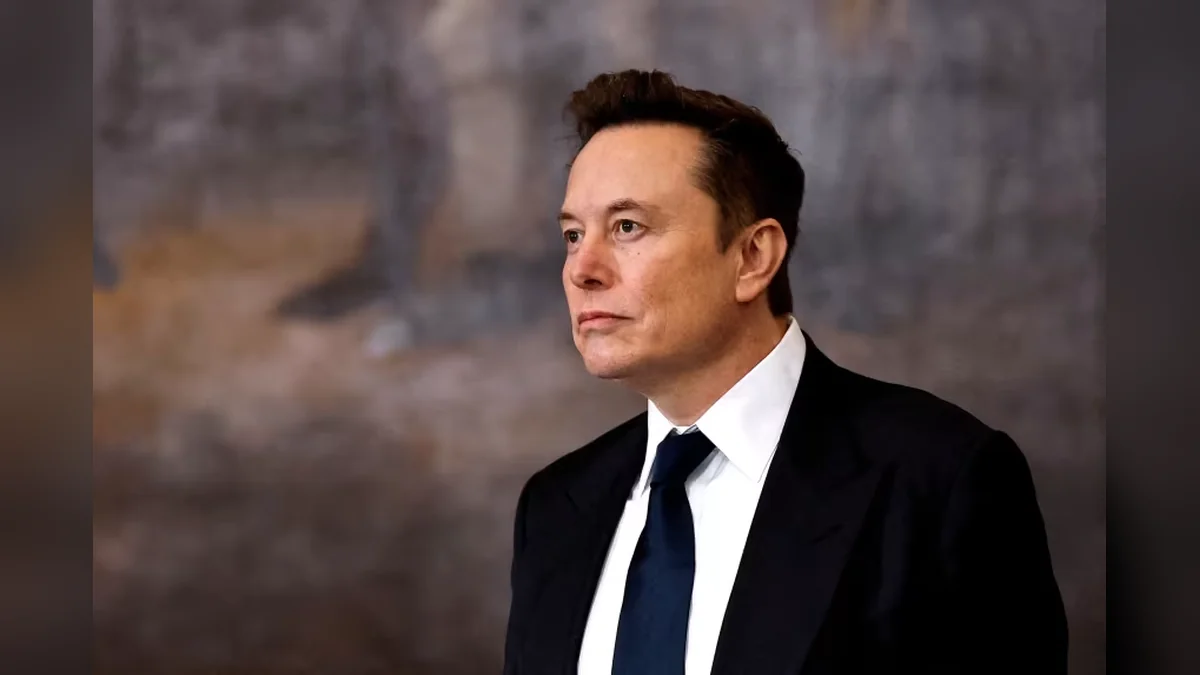
In an almost one-and-a-half-hour interview conducted at the end of July 2026, Musk informed The Economist's Zanny Minton Beddoes that he sees the point when AI surpasses total human intelligence in about five years.
That means the year 2031, and that is not all: according to Musk, humanity will lose any control over AI's development within ten years.
Elon Musk, who is CEO of both Tesla and SpaceX and recently launched the new venture xAI, has never been quiet about his AI views, whether those have been apocalyptic or optimistic.
This dualism is clearly seen in this interview. Musk perceives the gap in intelligence that will soon be there between humans and machines as similar to the gap that now exists between humans and chimpanzees—in the sense that humans cannot control the more intelligent species.
However, despite such a pessimistic outlook on the situation, Elon Musk claims that he has chosen the positive outcome of the issue. The most probable outcome that Elon Musk describes is that of abundance, which means that AI and robotics will give people abundance of goods and services that will be more than they can get now, which means that there will be no restrictions at all. Of course, it was only prudent of Elon Musk to include a disclaimer, according to which there should be no catastrophes on the way.
The key to Musk's proposal lies not in the technology itself, but in economics. According to Musk, the point where artificial intelligence and robots will produce all sorts of products in greater quantities than human needs could appear sooner than anyone expects, and it is at that point that the entire system of economics based on the concept of scarcity would start breaking down. Abundance of any goods and services would render a person's income, savings, and well-being irrelevant.
When confronted with how this system might actually work, Musk proposed an easy solution that involves direct payments to citizens made by the government. When it comes to the concern of economists that increased money supply would lead to the rise in prices, he refuted this assumption by stating that, in fact, increased productivity due to automation would more likely lead to deflation due to increased supply of goods and services.
This is not the first time that Musk makes a proposal of this kind. Previously, Musk told his audience at a U.S.-Saudi investment forum that people might soon not even need saving for retirement, since income and savings would eventually decouple from wages within the next one to two decades.
What distinguishes this interview from all others by Musk is the degree of change in his stance, which is quite evident from the beginning of this interview. Having founded OpenAI as a counterbalance to Google's overwhelming influence on cutting-edge AI development some years back, Elon Musk repeatedly urged the imposition of some regulations, including temporary pause on developing the most advanced AI.
In this interview, however, Musk stated that the speed of development in the field of artificial intelligence has become unmanageable in regard to any one company, state, or individual – including Musk himself. Instead of arguing for slowing down the process, Elon suggested using a peer-review mechanism, run by the developers themselves, to assess the most advanced AI models; any government interference was to be considered a measure of last resort.
Moreover, Musk stated that his involvement in the politics and specifically his collaboration with the Trump administration in the previous year took him away from his business interests. However, he did not go into details regarding how his activities affected his companies during that period.
Interestingly enough, Musk admitted his readiness to put aside his personal rivalry with OpenAI CEO Sam
Musk took the opportunity during the interview to express his opinion regarding the race between the USA and China for advanced AI solutions, saying that limiting Chinese AI models in the American market wouldn't be an effective way of slowing down China's technological advancement. He pointed out that Beijing possessed certain advantages in this global race due to the high level of energy production in the country as well as the large-scale production of robots and said that China could be close to developing its own chip production technology than many outside observers believe.
Despite the expression of such an optimistic long-term outlook, Musk noted that he continues to give non-negligible chances for catastrophic consequences of advanced AI—ranging from ten to twenty percent.
The main threat he sees is not the revolution of robots but rather something much more prosaic—increasing the dependency of humans on advanced AI systems whose decision-making process can hardly be inspected or analyzed.
However, these assertions by Musk were not without criticism either. There have been several researchers in the field of AI that have raised concerns regarding the time frame of five years because currently available systems, even though adept at certain tasks, do not demonstrate sufficient ability to understand and reason that can exceed all of humanity’s combined intelligence.
What is also important to mention is the fact that Musk himself changed his own time frames on this matter several times already.
Almost a decade ago, in response to a poll by New Scientist, asking a group of AI researchers to estimate when there will be a 50% probability that AI will defeat humans at any activity, Musk suggested that this could occur between 2030 and 2040. This five-year period is even shorter than Musk's prediction made in the past.