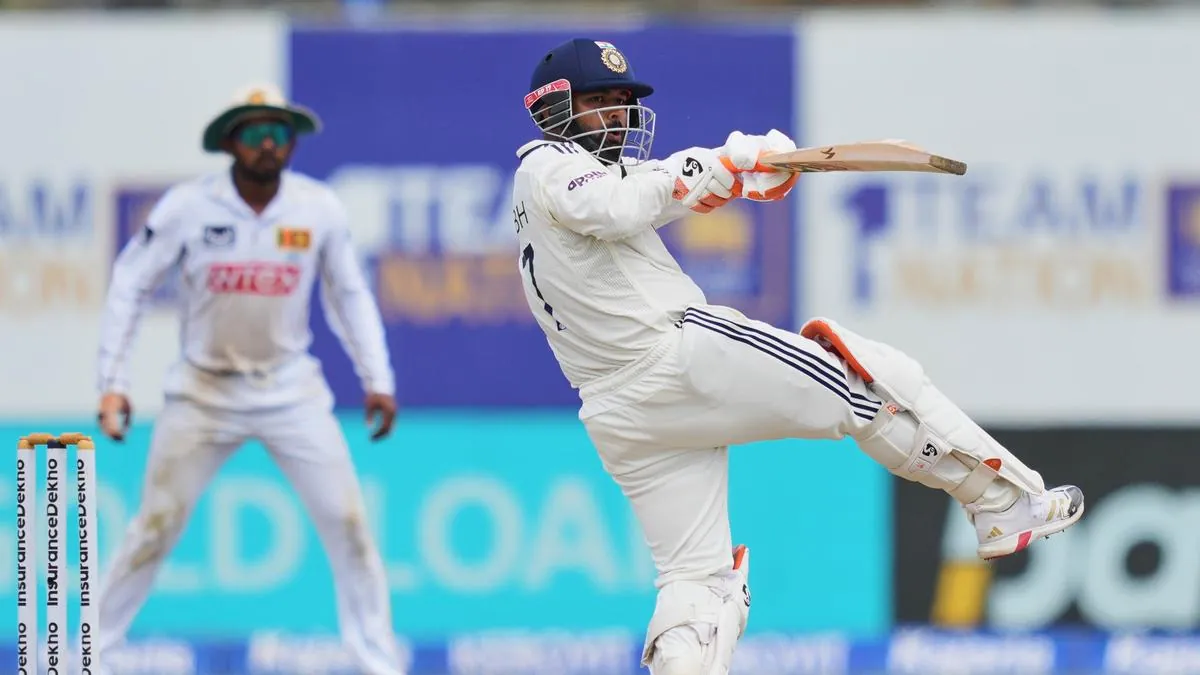
It was not looking good for India from the outset.
Asked to bat, India got off to a poor start on Day One as opener KL Rahul and Yashasvi Jaiswal perished early to leave India under early pressure at 88 for two.
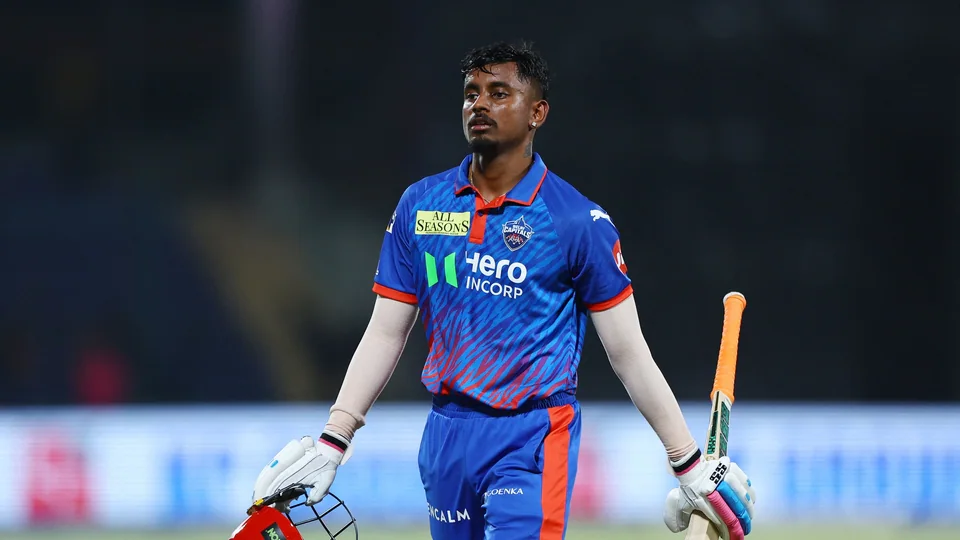
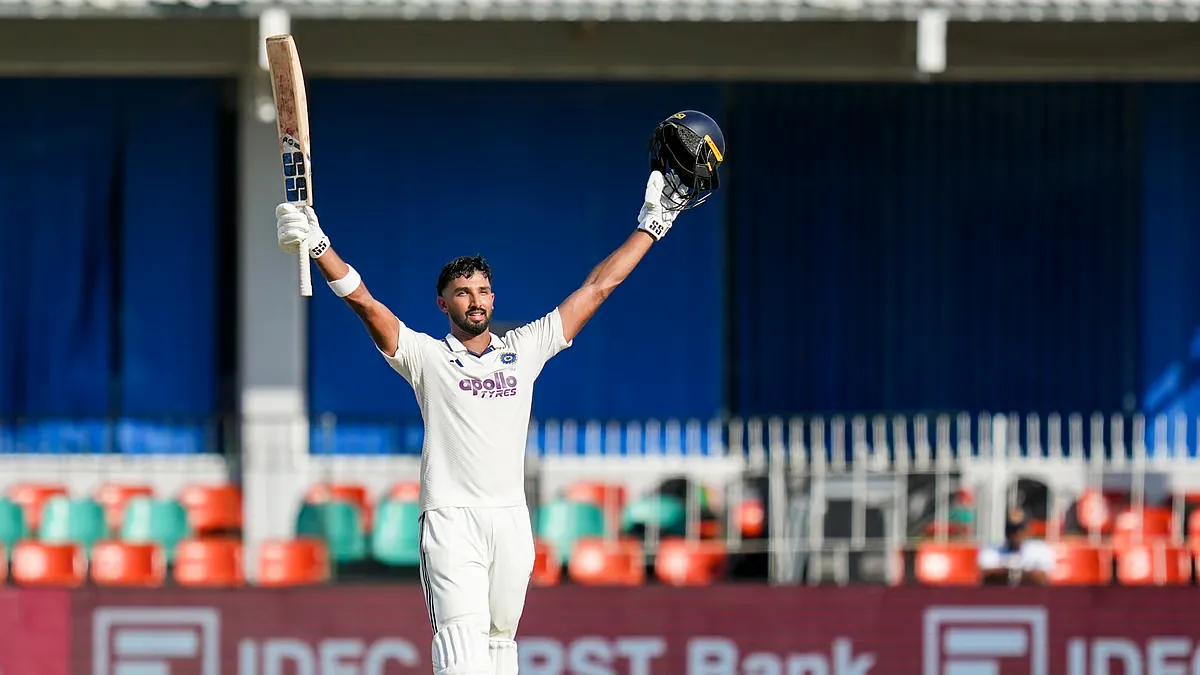
However, it was all forgotten come the end of the day. Devdutt Padikkal made it three successive Test centuries to continue his brilliant form by striking a splendid ton while Sri Lanka bounced back strongly after the second new ball to peg India back to 300/5 in 85 overs at the end of Day One of the second Test in Colombo.
It wasn’t an easy task for any batsmen in the early session.
Rahul emerged to be the one who cracked first for Prabath Jayasuriya, with Jaiswal not lagging behind him; Jaiswal going for 45 while Rahul was out for 18, putting India in deep trouble after two hours of play.
India required a strong partnership right away, especially when the wicket was already proving to offer some bounce and turn to Sri Lankan pacers.
The partnership was there, and it made a grand entry.
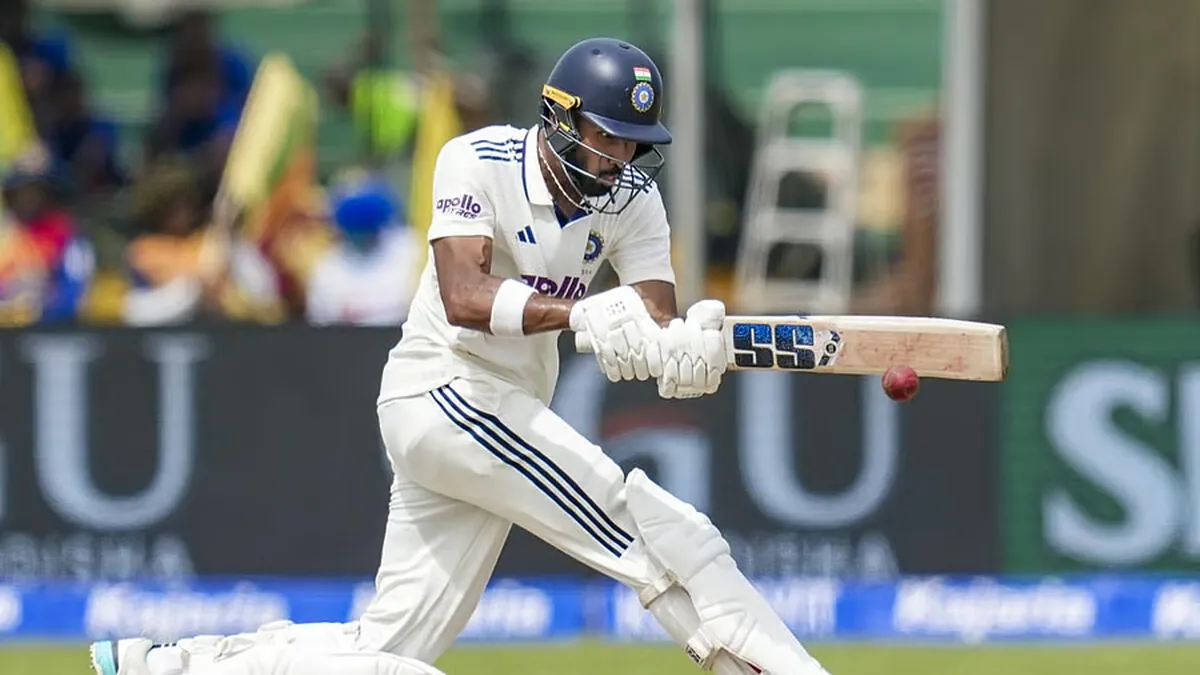
The two of them put up a vital 120-run stand which took some steam out of the opposition, with Padikkal making 117 from 193 balls, whereas Gill added 50 runs off 108 balls.
Starting the day after tea at 187/3, India played on the front foot and managed to reach 201/3 in 56 overs, with both Padikkal and wicket-keeper batter Rishabh Pant contributing to the cause.
The landmark figure is all down to Padikkal, and it is truly a rare feat to achieve as a player at such an early stage in his Test career.
Padikkal scored his second successive Test hundred through a number of well-executed cuts, which proved to be his best stroke on the day, against spin bowler Prabath Jayasuriya, before going on the offensive after hitting the milestone.
But the fact that made this performance even more special was that it required him to build his innings in a way different from the first one.
This century was completely different from the one he scored at Galle, as the pitch was anything but difficult in the first two days there—the SSC pitch was always offering bounce to the fast bowlers.
Padikkal’s knock was no fluke; not at all.
He was dropped twice for nought and one other time during his innings, which means that there were three different chances for the Sri Lankans to dismiss him before he got started and none of those were converted.
They certainly paid for it in full measure. Padikkal took 90 balls to reach his fifty, but then went ahead and accelerated further.
The timing of Padikkal’s innings, however, makes it even more important.
That he made this century during just the fourth Test of his nascent career makes it an achievement, and one in which the situation required him to play the innings stabilizer role for India twice, first with Gill and then later on that day.
Conditions like assessing Sri Lankan bowlers, extremely hot weather in Colombo, and the humid air of the city made things difficult for the batsman, especially in these conditions.
As soon as Padikkal and Gill were through with their initial repair job, India continued with their aggressive approach until the last session.
The next pair to make an important contribution were Padikkal and Ravindra Jadeja, who managed to make 74 runs for the fourth wicket with Jadeja scoring 43 as India seemed poised to take control of the last part of the day.
This third partnership consisting of 120 runs with Gill, followed by 74 runs with Jadeja, clearly indicates how important Padikkal was throughout the innings for India.
Just when it seemed that India would be off and running with the match, the home side managed to mount a reply.
Late in the day, the Lankans struck back with the second new ball, curbing the momentum of India in their final overs and ending up with the total at 300/5, instead of an overall tally that at times throughout the day seemed bound to surpass it.
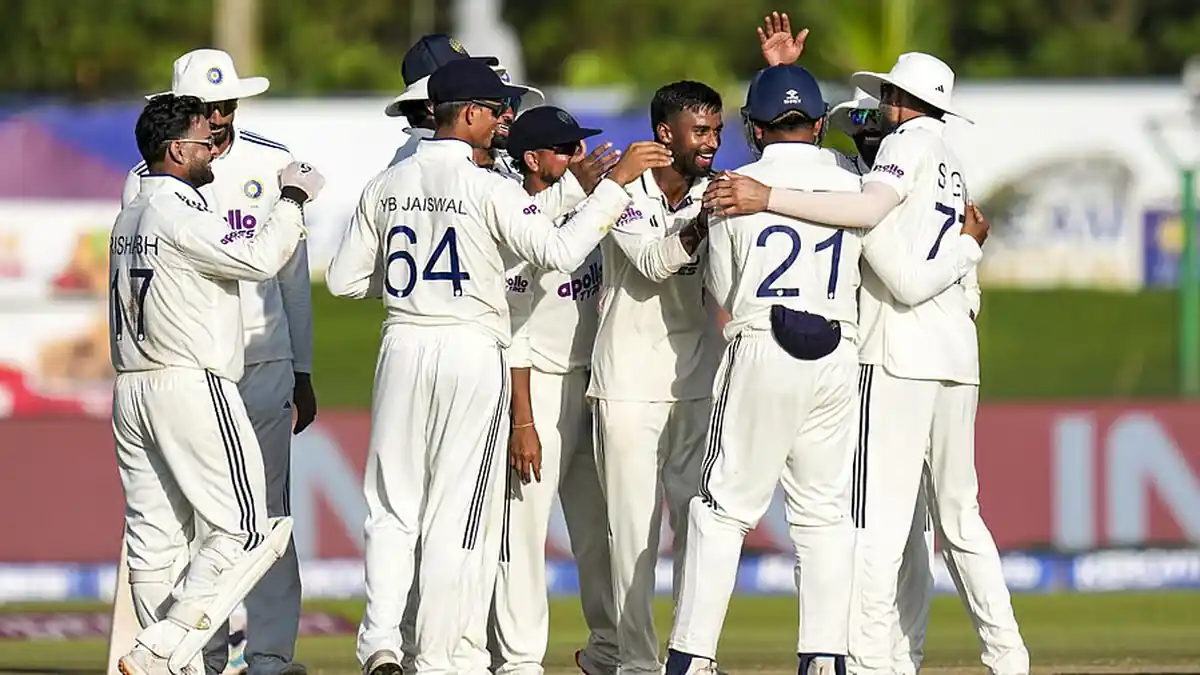
Asitha Fernando emerged as the most successful bowler for Sri Lanka during the day, claiming three wickets in what was otherwise a difficult outing, while Rishabh Pant, who seemed certain to score more runs, retired injured with just three runs to his name.
Whereas most Colombo Test matches are often stopped due to the weather conditions, this match on Sunday went ahead despite the harsh heat conditions and not due to rains like the others. The bowlers from the Sri Lankan side had a hard time due to the weather, considering the fact that they lost the toss and had to bat first.
India’s innings remained very much alive right at the end of play with two fresh batsmen at the crease fighting hard.
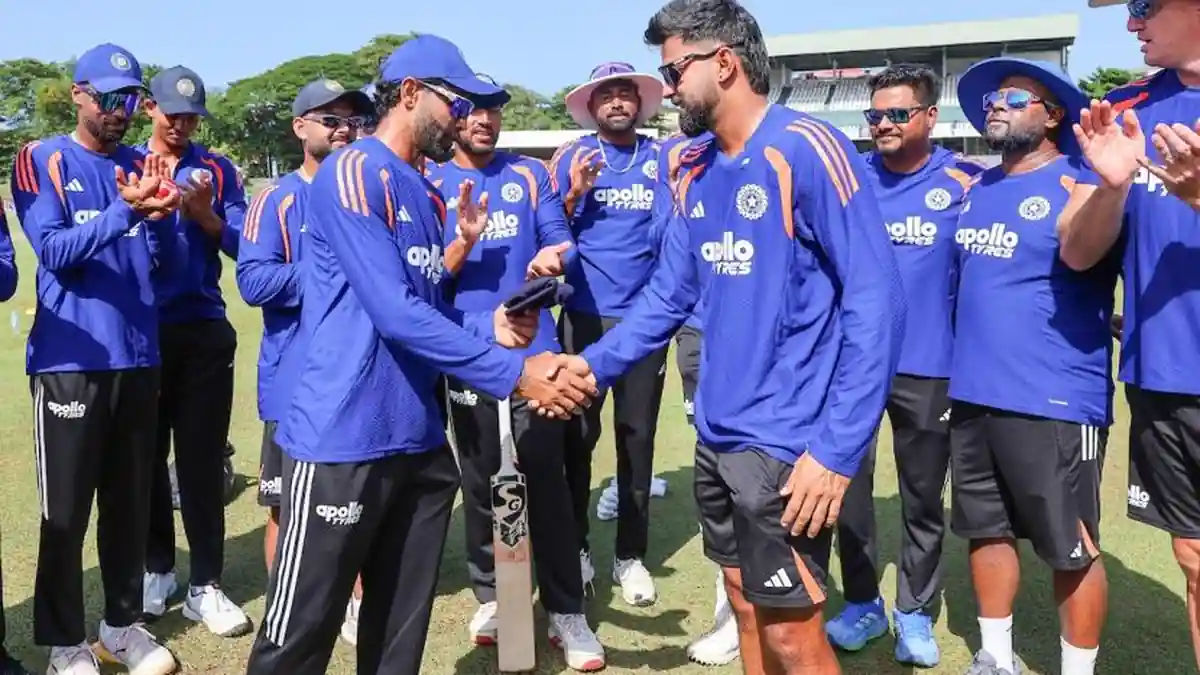
At the crease at stumps were Indian debutant Saransh Jain and Dhruv Jurel who remain unbeaten at 4 and 7 respectively which means that India enter day 2 of the Test match with wickets in hand at a score past 300.
A century on Sunday hasn't happened out of the blue—it is just another part of the scorching form that he has shown lately.
Consistency across different formats and ages has always been a highlight of Padikkal’s game, with two consecutive centuries in consecutive Tests putting him right up there as one of the top-performing players in the ongoing Indian tour of Sri Lanka.
This coming from a player who had to wait more than a year and a half before getting his chance at the national team after doing really well domestically.
As India stands on 300/5, with two solid batsmen, Jurel and Jain, remaining unbeaten, the key for Day 2 would be to take their score past 350 to ensure that their bowlers have a matchable target on a pitch which has been known to offer something to both fast and spin bowlers.
For Sri Lanka, who managed to take two wickets with the second new ball on Day 1, the need now is to capitalize on this by getting India all out as early as possible on Day 2.