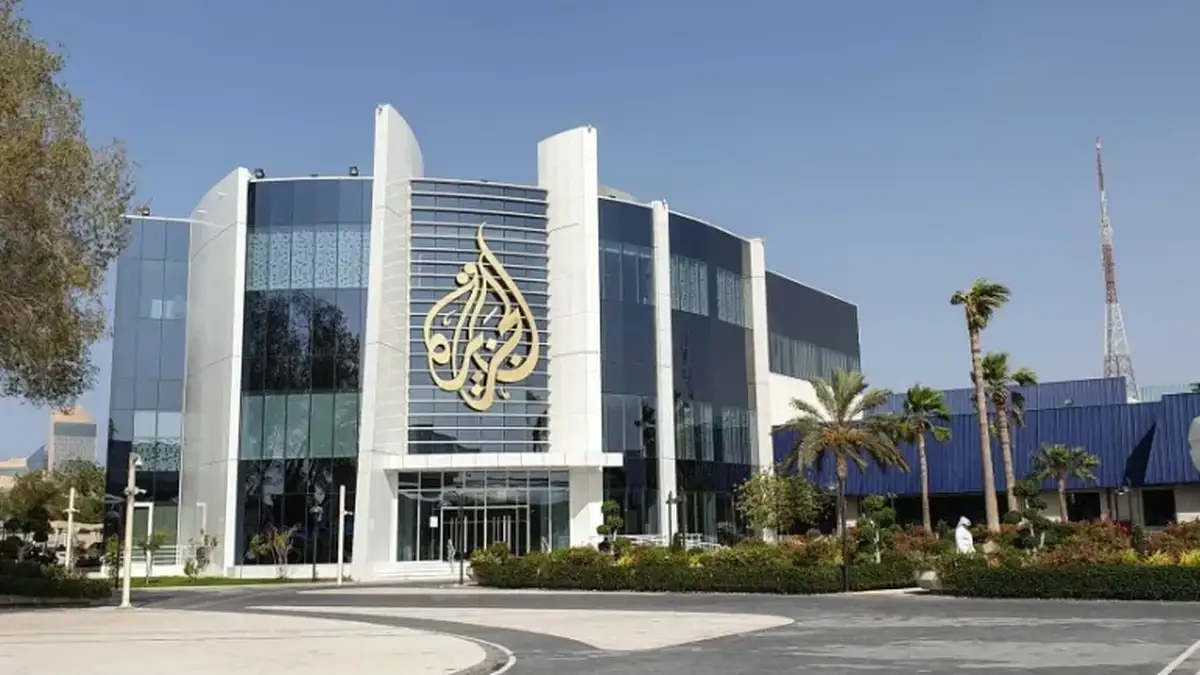
Pakistan attempted to limit access to Al Jazeera English across the nation on August 3, 2026, the day following the broadcast of a number of reports by the Doha-based broadcaster relating to unrest at the time of elections in Pakistan-occupied Kashmir (PoK), also known as "Azad" Jammu and Kashmir in Islamabad's nomenclature. Reports came in from around the country of users being unable to view the network's website or streams, although no official order for such blocking was ever announced or published.
The lack of such transparency has also been remarked upon by commentators on Internet freedoms, as Pakistan has increasingly tended to use network-based blocking rather than officially issued regulations, thus precluding legal contestation of the ban.
It all began after the coverage by Al Jazeera of the voting that was going on in twelve reserved seats of Kashmiri refugees and nine seats of Muzaffarabad on August 2, 2026. Actually, Al Jazeera is one of those few foreign agencies that covered the unrest in the area where there were casualties in police crackdowns, internet blackouts, and curfews before the polling date.
According to the reports, the inhabitants of Muzaffarabad refused to take part in the voting because the reserved seats favored the incumbent party as the people of PoK cannot run in these seats.
The problem is that the structure enables the government of Islamabad to have control over the legislative processes in the region and pretend to speak for the interests of Kashmiri refugees, an issue that began in June 2026.
In a statement released late at night on August 2, the Pakistan's Ministry of Information and Broadcasting accused Al Jazeera of selectively reporting based on their "handpicked" polling stations in Muzaffarabad. According to the ministry, the network chose specific timings for the reports and made use of prepared statements by certain people in order to distort the elections and the process of voting, referring to this kind of media practice as "yellow journalism" with an agenda of some external forces.
It is interesting to note that the criticism was not accompanied with an official confirmation that the access had indeed been denied, a trend of the official silence on the matter and the unofficial restrictions which have apparently become a trademark for dealing with negative international media coverage on sensitive topics like Kashmir.
Compounding the debate, Faiza Murad, a London-based leader of Imran Khan’s Pakistan Tehreek-e-Insaf Party, asserted that the Pakistani government also imposed more stringent regulations on foreign reporters.
According to her statement, using what she termed to be a directive from the Information and Broadcasting Ministry, journalists would require pre-approval from the government to report on any areas besides Islamabad, Lahore, and Karachi.
No official directive has ever been issued by the Ministry, and no verification could immediately be done as regards the validity of this assertion.
If true, this would essentially isolate PoK and other contentious areas from foreign media scrutiny, thus validating the fears of a concerted effort to tighten the information environment surrounding the unrest.
It’s not the first time that there has been such an issue between Al Jazeera and the Pakistani government. In fact, the network has already reported about censorship efforts of the government against news stations who have been voicing their disapproval towards the government and its military institution.
Media freedom experts note that this case seems to be another attempt by the state to follow its established practices—informal pressures, hidden censorship, and allegations of bias without official admission.
According to the international media freedom rankings, Pakistan is one of the countries where it’s hard to work as a journalist; the PoK unrest is particularly important for Pakistan because it is happening in the very area which the country uses as the point for its conflict with India.
Politicians in Jammu and Kashmir have criticized the crackdown on PoK protesters and have demanded dialogue, citing the Al Jazeera ban as another instance of Islamabad’s aggressive attitude toward protests in the territory.
Commentators in cyberspace and opponents of the regime characterized the act as Islamabad’s way of shutting out an unwelcome international scrutiny on the controversy surrounding the reserved seat issue and other autonomy demonstrations, although there were some who felt that it would be premature to draw conclusions before verifying information from the Pakistani government itself, which has not officially declared a ban nor specified the extent thereof.
In any case, the event has brought the condition in PoK back into the spotlight internationally, quite contrary to Islamabad’s intention in imposing the ban.