Pakistan's Interior Minister Mohsin Naqvi has once again traveled to Tehran, Iran's capital. According to reports, he is carrying special messages from Field Marshal Asim Munir and Prime Minister Shehbaz Sharif for Iran's Supreme Leader.
Speaking about the letter, Pakistan's Interior Minister Mohsin Naqvi said that it concerns the "current situation" in the region.
In recent days, several Pakistani leaders have visited Iran. This is Mohsin Naqvi's third visit to Iran, and on Saturday night he met his Iranian counterpart, Eskandar Momeni.
Pakistan is working as a mediator to help ease tensions and resolve the conflict between the United States and Iran.
Mohsin Naqvi visited Iran twice within a single week in May. During those visits, he met Iran’s president, parliament speaker, foreign minister, and interior minister.
Amid the ongoing conflict involving Lebanon and Israel, Lebanese Army Commander Rudolf Haykal is on an official visit to Pakistan. The Lebanese Army stated that the visit is taking place at the invitation of Field Marshal Asim Munir.
The visit comes at a time of heightened regional tensions, with Lebanon continuing to face security challenges linked to the conflict with Israel.
However, the Lebanese Army has not yet issued any official statement regarding the specific issues that will be discussed during the visit to Pakistan.
At present, one of Iran's biggest demands in the ongoing talks with the United States is the release of $24 billion in Iranian funds that remain frozen abroad.
Iran has proposed that the funds be released in two phases. In the first phase, it wants an initial tranche of $12 billion to be released, while the remaining amount would be transferred in the second phase.
The United States has said that Iran must first take steps toward nuclear and maritime de-escalation. Only after progress is made on those issues will Washington consider moving forward on the release of the frozen funds.
However, neither side has issued any official statement on the matter so far. There is currently no clear timeline for when Iran's frozen funds will be released, and the issue remains under discussion in the ongoing negotiations between Tehran and Washington.
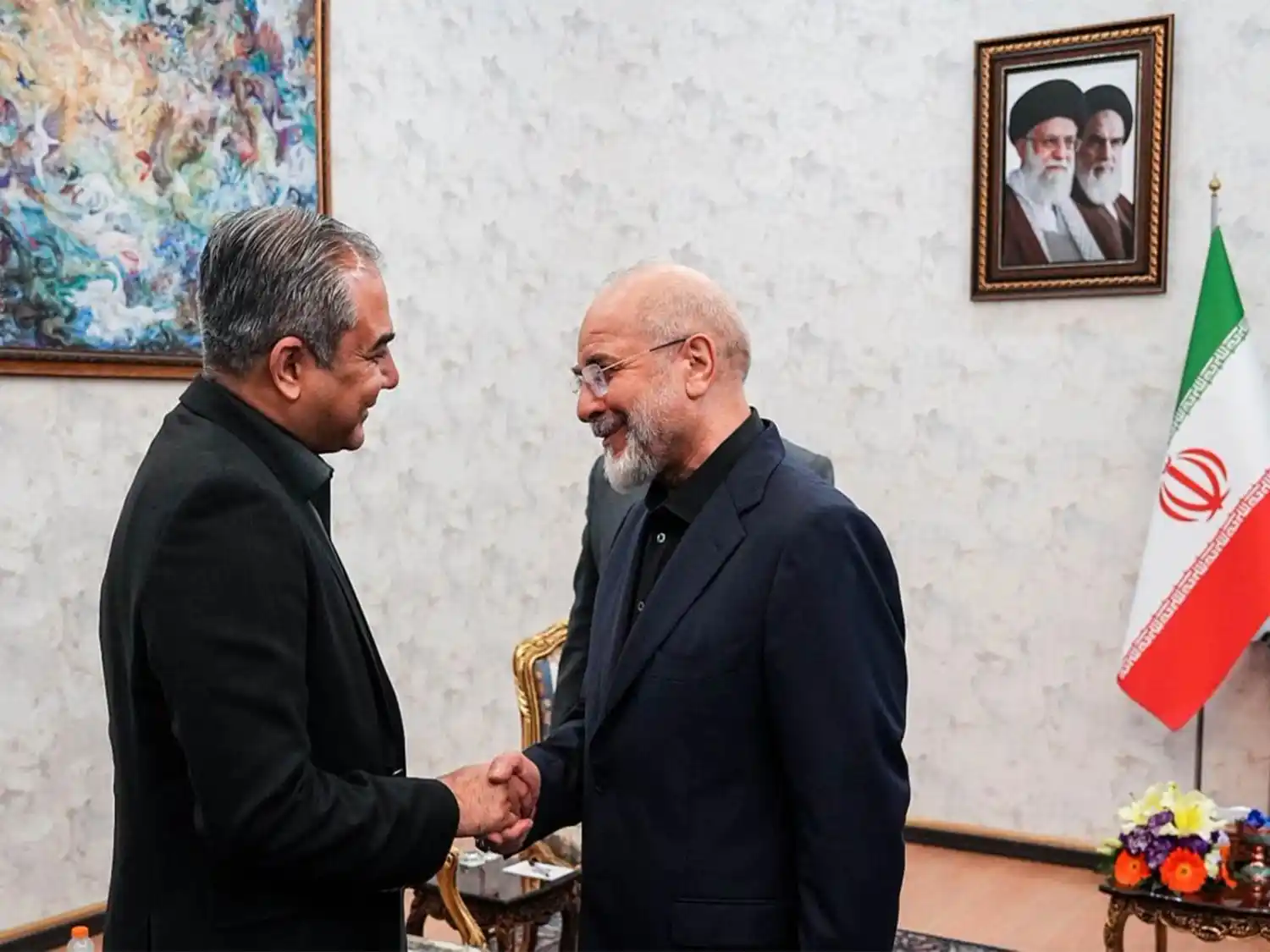
Photo: @State Media Iran
A few days ago, a ceasefire was still in place between Iran and the United States. However, despite the ceasefire, missile and drone exchanges have resumed over the past week, raising concerns that the fragile truce could be at risk.
A few days ago, a drone attack took place at Kuwait International Airport. Kuwait claimed that the attack originated from Iran. However, Iran denied responsibility and said the damage was caused by a technical malfunction in a U.S. interceptor missile. As of now, there is no conclusive official confirmation about who was ultimately responsible for the attack.
Just two days ago, the United States shot down four Iranian drones. According to the U.S. military, the drones were heading toward the Strait of Hormuz and posed a threat to regional maritime traffic. As a result, U.S. forces intercepted and destroyed the drones.
In response, Iran launched seven missiles targeting U.S.-linked facilities in Kuwait and Bahrain. According to U.S. Central Command (CENTCOM), six of the missiles were intercepted by air-defense systems, while the seventh failed to reach its intended target due to a technical issue.
All of this is happening despite the fact that a ceasefire between the United States and Iran is still in effect.
25 May 2026: United States — Airstrike in southern Iran; 3 U.S. soldiers injured.
31 May 2026: Iran — Shot down a U.S. MQ-1 drone; the U.S. destroyed Iranian radar installations in response.
5 June 2026: United States—Attacked Iran's coastal surveillance systems; 4 Iranian drones were shot down.
6 June 2026: Iran launched 7 ballistic missiles at U.S. bases in Kuwait and Bahrain; 6 missiles were intercepted.
7 June 2026: United States — Shot down 2 Iranian drones in the Strait of Hormuz ; security alerts were issued for commercial ships.