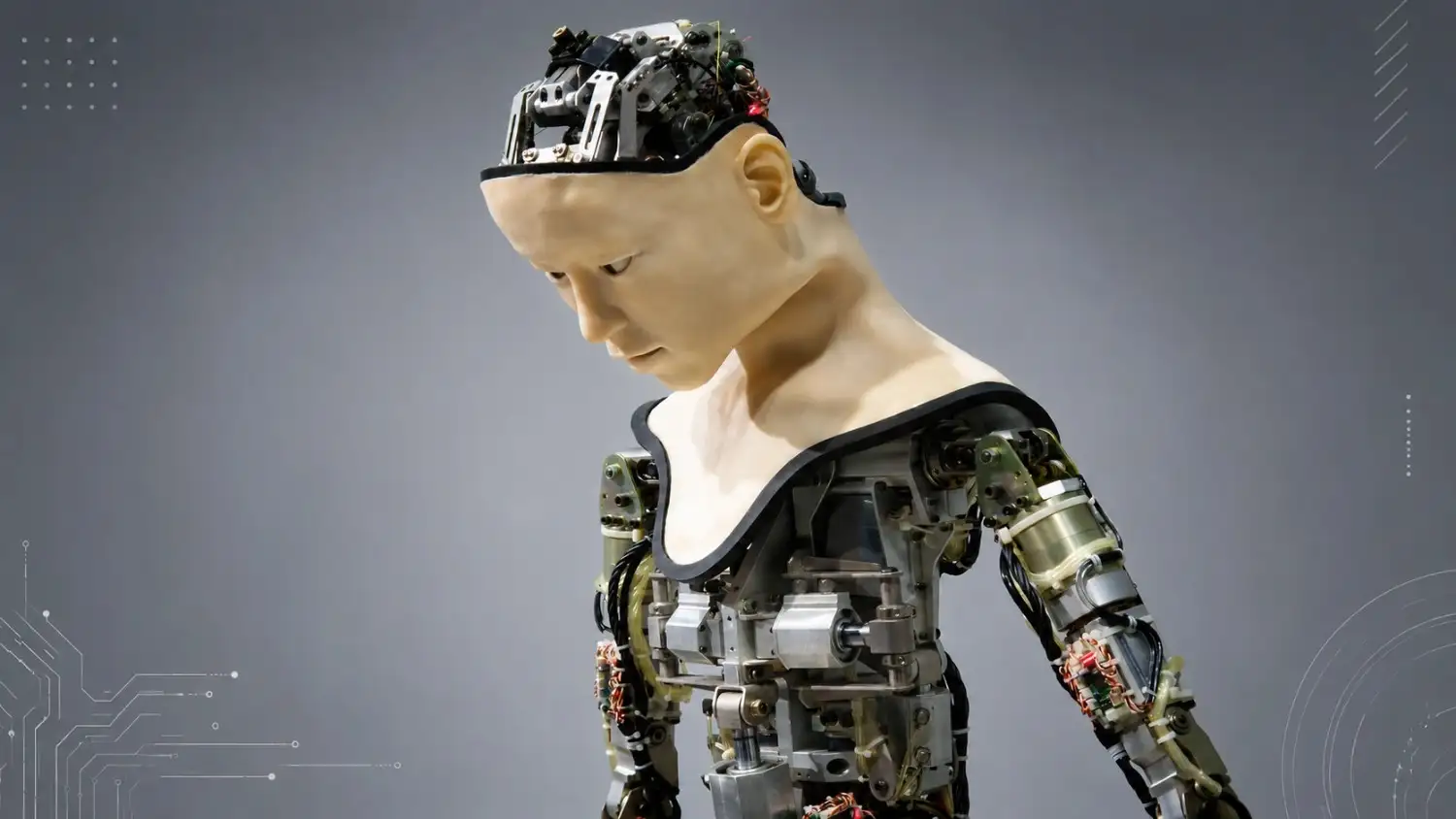
The world's first human-sized humanoid combat league was launched this week in Shenzhen, China, but it took only a single match on the very first day of competition for something memorable to happen that would come to represent the entire league's launch.
During the first night of fighting matches, a robot called "Matador" had its head decapitated from its shoulders by an opponent called "White Eagle," and videos of the act quickly went viral, provoking reactions from morbid curiosity to legitimate concern about future humanoid robotics.
The robot tournament called Ultimate Robot Knock-out Legend or URKL was held by the robotics company of Shenzhen named EngineAI, which designed and delivered the standardized robots to each of the 32 competing teams that were chosen earlier in the year from various universities, companies, and research institutions around the world.
The pivotal moment came when the white-colored robot called White Eagle delivered a powerful kick to the head of its black-colored competitor named Matador. The kick was powerful enough to dislodge Matador's head from the body and make it rock in the socket. Instead of falling, however, the robot kept on fighting, delivering punches and kicks with its detached head swinging in the air. Eventually, Matador fell down and landed on its head, which separated from the body.
As it tried to stand up again, Matador crashed down with its head rolling away from its body. The other robot—White Eagle—was celebrating with a victory dance while Matador was being taken out of the ring.
It is the picture of a robot without a head throwing punches that went viral on the internet within hours after the fight was over.
All the teams competing in the URKL tournament utilize the same base robot, which is an industrial humanoid robot initially developed for the purpose of doing logistic and warehouse-related jobs.
EngineAI has been demonstrating the fighting abilities of the robot, such as punches and roundhouse kicks, long before announcing the tournament. Making a factory robot fight in a cage is one of those things that make up the spectacle offered by the organizers of the fighting league.
EngineAI presented its tournament not only as a spectacle but also as something else when it was first announced this year, according to the reporting of Chinese state media. One of the analysts said that fighting leagues like this increase public awareness about humanoid robots and their potential usage cases, as well as the scenarios where they can be applied, while recognizing the fact that there are certain limitations related to the capabilities of robots.
The URKL season consists of several stages. The first one will take place in July and August, the second stage will happen in autumn, and the grand finals of the season will be held in December.
However, robotic battles are nothing new in China's growing field of humanoid robotics. Approximately a year before the debut of URKL, another competing Chinese company organized a battle called the first humanoid robot kickboxing, which took place in Hangzhou and was aired on state television.
Unlike URKL, that robot battle had small robots engaged in the contest and remotely operated.
Compared to the previous robotic battle, URKL is an example of taking robot fighting to the next level.
Unlike previous examples, URKL has big robots engaging in battle, and this battle is called "free and full contact," not choreographed. Moreover, the damages inflicted upon Matador during the fight demonstrate the power that these robots can both deal with and withstand.
Calling this battle "the world's first" emphasizes this aspect; there is no remotely operated and lightweight robot fight in it, but a true full-contact competition.
At a time of great anxiety regarding humanoid robotics, the video arrived at an appropriate time. Academics, ethicists, politicians, and others have expressed worries about the military and weaponization of highly advanced robots, popularly referred to by the term "killer robots." The Chinese Embassy in Ireland, among other diplomatic channels, has used the footage to highlight the moment when Matador lost its head as part of their efforts to draw attention to the issue.
Online reaction has been equally divided.
On one hand, some people have viewed the robot fight in light of past robot fighting contests, arguing that it fails to compare to events where robots lack the humanoid form and the engineering skills of those who build them are put on display instead.
Proponents of non-humanoid robots argue that there is no reason for building humanoid robots in order for them to fight each other, as it offers limited usefulness other than entertainment and marketing, given the limitations that the humanoid body form puts on the robot.
Others view the robot fight as a valuable stress test for the humanoid engineering, exposing the weaknesses in areas like neck and head joint design that
For now, EngineAI does not appear to be taking their foot off the gas.
In addition to the ongoing current round of fights and two additional rounds leading up to the year-end championship, it seems that URKL will remain a recurring source of viral content for the company—either through victories, failures, or further destruction in the ring.
Whether the league will ultimately develop into a legitimate sport or continue to be best known for its more chaotic highlights is dependent on how well EngineAI balances the technical development of their T800 platform with the desire for the exact sort of spectacle which turned the decapitation of Matador into a worldwide sensation within hours of its occurrence.