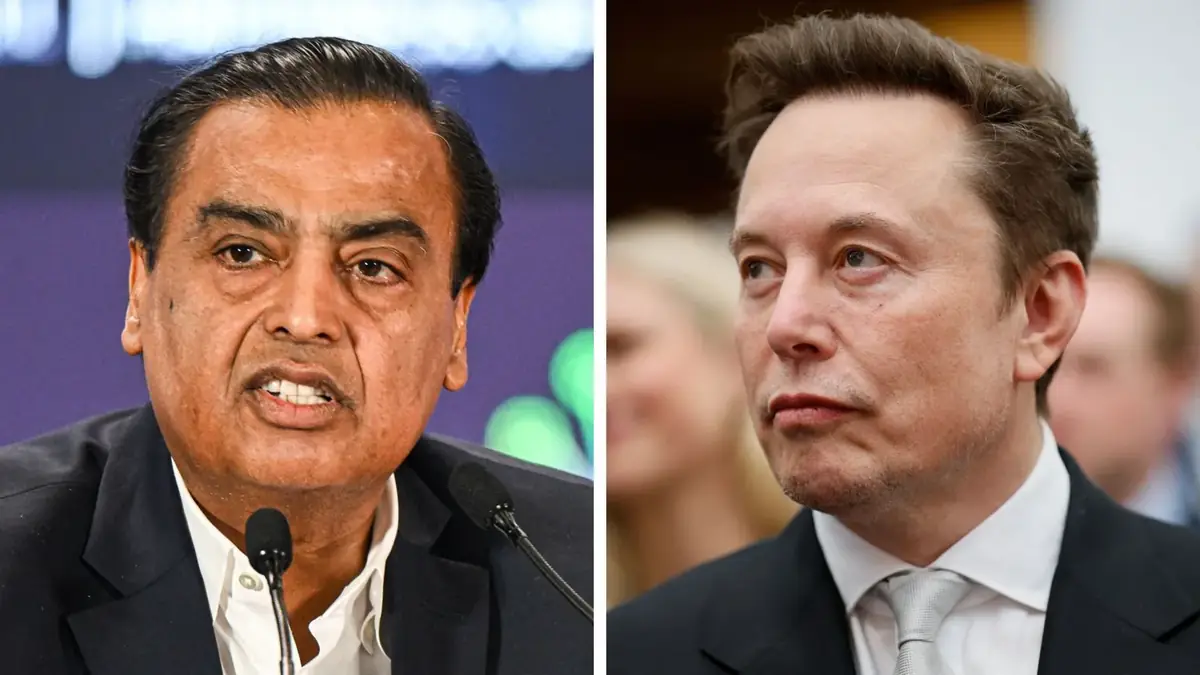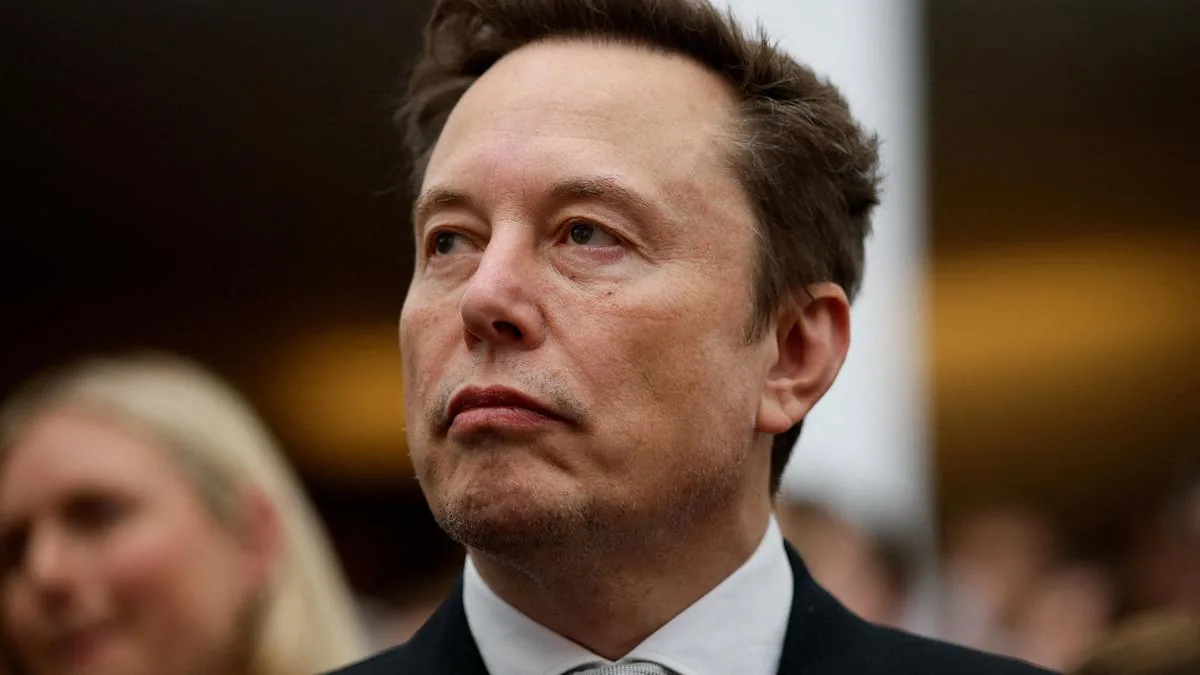
This dispute, which started on social media, is now a question of national security. A body associated with RSS appealed to the government to ban Elon Musk’s satellite internet services from coming to India on October 13, Tuesday.
Swadeshi Jagran Manch appealed to the Centre to not allow Starlink to conduct satellite broadband in India owing to the question of national security and regulation of the internet.
In addition to that, Swadeshi Jagran Manch criticized the statements made by Elon Musk against the Indian government and industrialist Mukesh Ambani.
Manch is the economic wing of RSS. Its case is based on the manner in which the Starlink network operates. It noted that Starlink uses laser connections in transferring information among its satellites, which could complicate efforts by agencies to monitor internet traffic.
It also highlighted the reason for needing to block the internet when there are riots, terrorist attacks, and other law and order problems.
It also cited the threats that are perceived from this network.
This is the case that the Manch puts forth. It was not publicly addressed by Starlink in the available literature.
The group stated that rejecting Starlink would not prevent India from having a vision for satellites.
The indigenous technology, which the organization claimed would provide connectivity and guarantee safety, would help in making it happen in the future.
A member of the group explained that India could provide such services “far cheaper than Starlink while also guaranteeing national security.”
Ashwani Mahajan, one of the national co-conveners, said that India had a right to reject the license if the firm did not sort out their security issues.
The demand for refusing the licence requires explanation since Starlink already possesses it. It must satisfy security compliance requirements and get a spectrum allocation before starting commercial operations.
According to The Associated Press in June 2025, India has issued a vital licence to Starlink. It explained that further approvals would come from the space regulator and airwaves.
It means that the whole battle lies in obtaining the final approvals. According to one report, the truth of the matter is very clear.
Manch addressed the audience after several days of public bickering. The argument started on October 8 when Musk implied that Mukesh Ambani, who owns Reliance, which runs the largest mobile network operator in India called Jio, was responsible for the failure of Starlink approval as a business.
He had also accused certain oligarchs of impeding the process. "Is Ambani the real boss of India?" he posted on X.
Musk presented no proof whatsoever of the allegation that Ambani was involved in the process. Reliance Jio refused to make any comments.
The government has hit back hard. According to the Ministry of Communications, all three licensed satellite communication companies have reached almost similar levels of regulation. It termed the allegation of discrimination as "baseless and misconceived."
The three companies include Jio Satellite Communication, OneWeb backed by Bharti and Starlink. These need to comply with the regulations before offering their services, according to the Communication Minister, Jyotiraditya Scindia.
“According to Scindia, "India does not allow any monopoly in any sector."”
Statesman, citing the clarification from the Centre, says that all three satellite communication operators have to comply with India's security regulations before starting services.
India represents a major prize because it has more than a billion internet users, with the market controlled by Reliance Jio and Bharti Airtel.
The unserved will depend on satellites most. At least 40% of Indians were without internet connectivity, according to AP's report for 2025, particularly in rural and mountainous regions.
Musk has realized that Starlink should ensure affordability to remain competitive with Jio. This assurance is now at odds with security concerns.