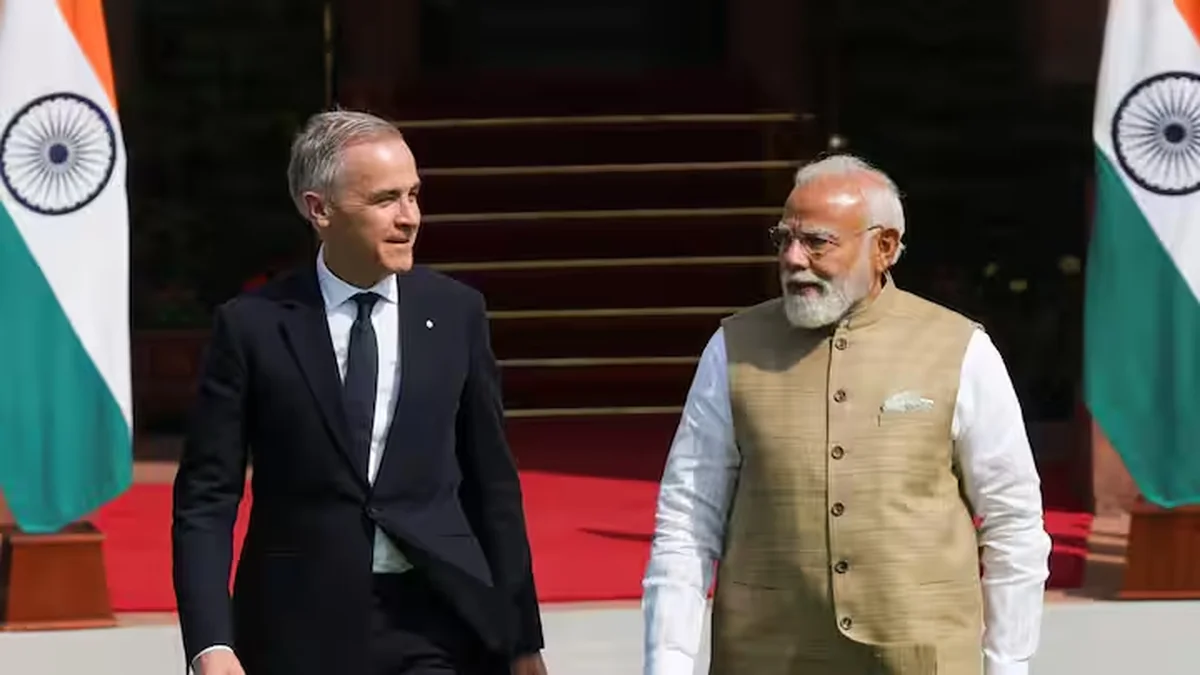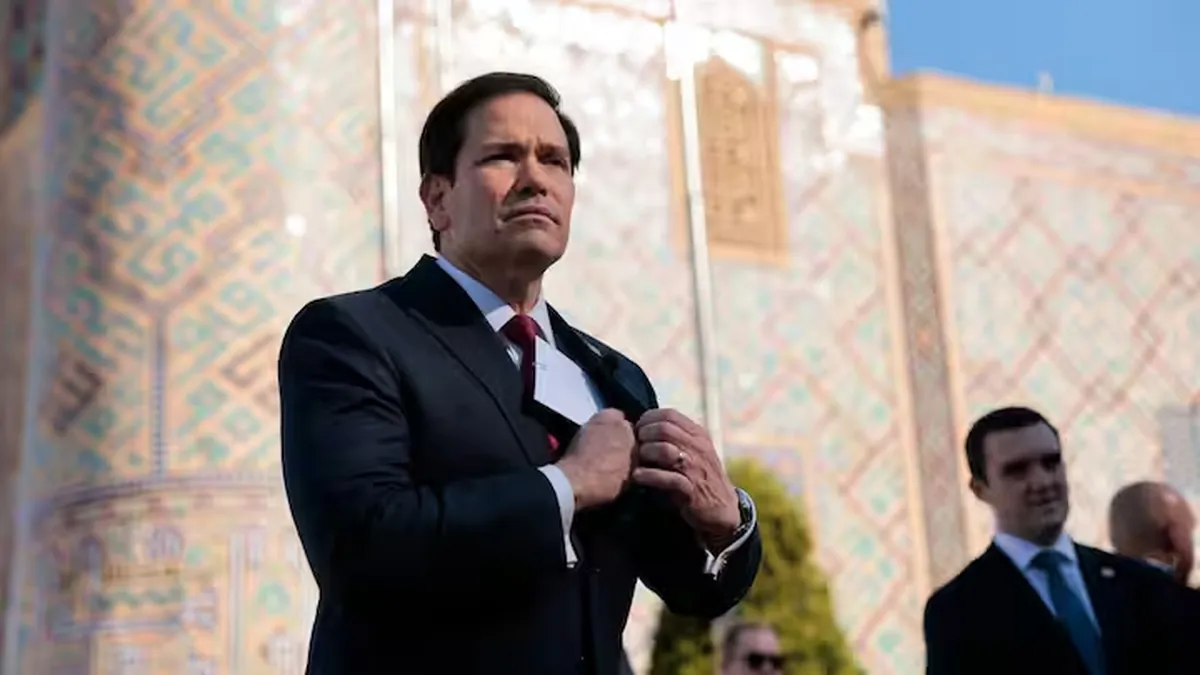
The two foreign representatives shook hands in Mumbai on the morning of Tuesday, October 20, as the possibility of a trade deal loomed large with months of frustration behind them.
The United States' Secretary of State Marco Rubio held discussions with the Indian Foreign Minister Subrahmanyam Jaishankar as both nations work toward expanding their energy collaboration and bringing about a trade deal.
This is the second time Rubio visits India. The US ambassador to India, Sergio Gor, accompanied him.
Rubio appeared optimistic. “We are very, very close,” Rubio told the press in Mumbai, adding that there are only a few items left and that he expected that they would be sorted out soon.
The Indian side was more diplomatic. The Indian Ministry of Foreign Affairs stated that they will discuss energy, trade, investment, and defense at the talks.
The meeting took place after a pre-meeting the previous day. Jaishankar met with a Congressional delegation from the USA in Mumbai and talked about trade, energy, security, and technology.
The agreement is quite overdue. The US government slapped tariffs as high as 50% on most Indian imports in August 2025 following the failure in trade talks.
India termed the measures taken by the US as "unjustified, unreasonable and unfair." The increased 25% tariff was in response to India’s purchase of Russian oil.
However, there was some reprieve in February. The two nations reached a preliminary agreement in principle on February 6, 2026, following which the US scrapped off the additional 25% tariff as India agreed not to import Russian oil. This led to the reduction of tariffs to 18%, although the negotiations have since become stagnant.
The mood at the Indian government has not been entirely positive. In early October, finance minister Nirmala Sitharaman described the negotiations as having "plateaued." Recently, commerce minister Piyush Goyal said that the first tranche had reached its "final leg."
The rhetoric is not entirely new. On September 24, Piyush Goyal said the deal was "done and dusted." Soon afterward, both sides began to speak of the possibility of an interim deal.
The US too has shown pushback. In a recent statement, US Trade Representative Jamieson Greer said that the negotiations were ongoing but that a deal was not "imminent."
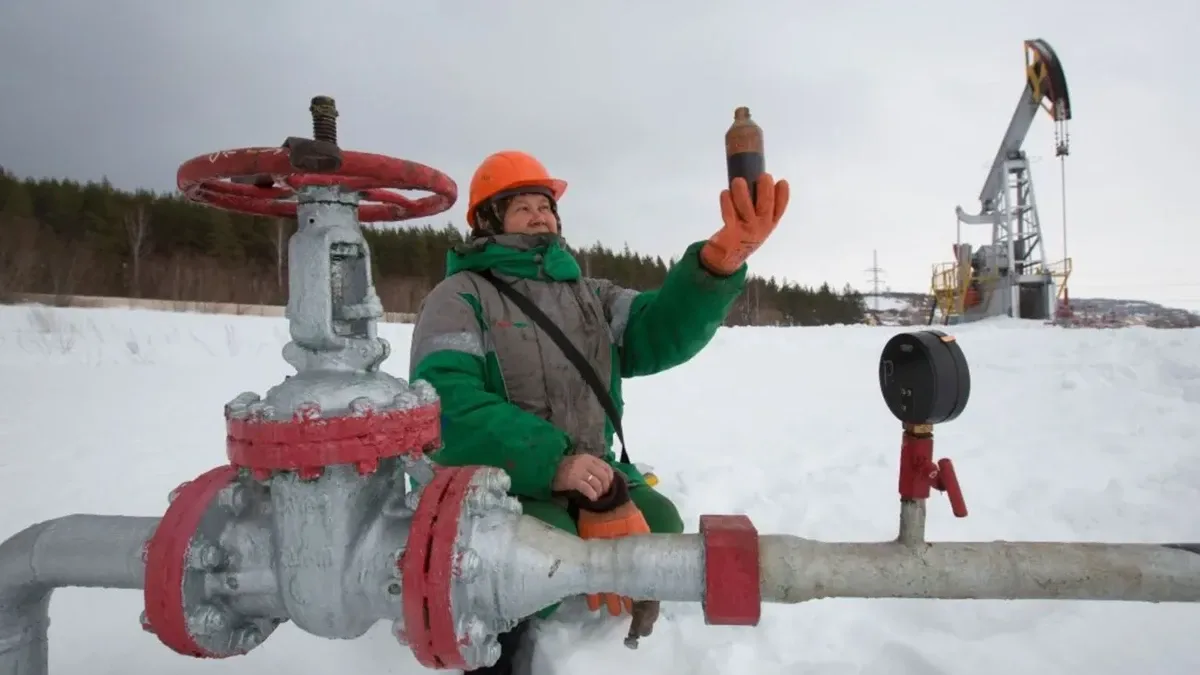
Energy continues to be the most complex question. The Iran war has raised concerns over India’s energy security and made it dependent on Russian oil. There is the threat of US duties of up to 100 percent on the purchase of Russian oil by India.
Rubio talked about it directly. He stated that India has diversified its sources of energy, but still buys significant amounts of Russian oil since it’s not easy to switch the source at once. “India is an important ally and partner.”
According to India.com, Rubio has also defended the US exemptions from the Russian oil sanctions.
Tariff competition is what New Delhi seeks. According to India, its final tariff should be on a par with other producers like Vietnam.
The stakes are high. India and the U.S. have announced a target of $500 billion in two-way trade by 2030.
The details of the deal have yet to see daylight. As per the framework agreement of February, India has offered to reduce or waive tariffs on all industrial goods and many agricultural products from the United States.
The rivalry has not prevented collaboration. Indeed, both nations continue to intensify their military and technology relations, seeing India as an essential strategic balancer against China in the Indo-Pacific region for the US.
Also, Rubio will be visiting Gujarat’s Jamnagar, which is a significant oil and gas location. This is because of the significance of energy in the discussion.