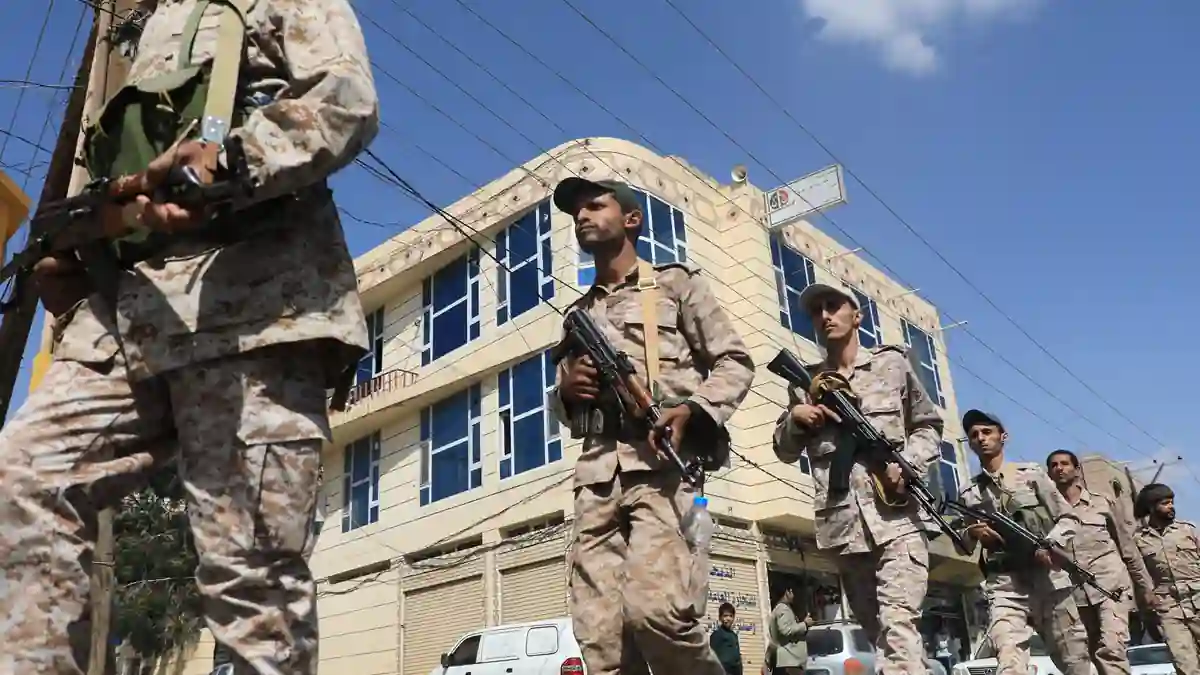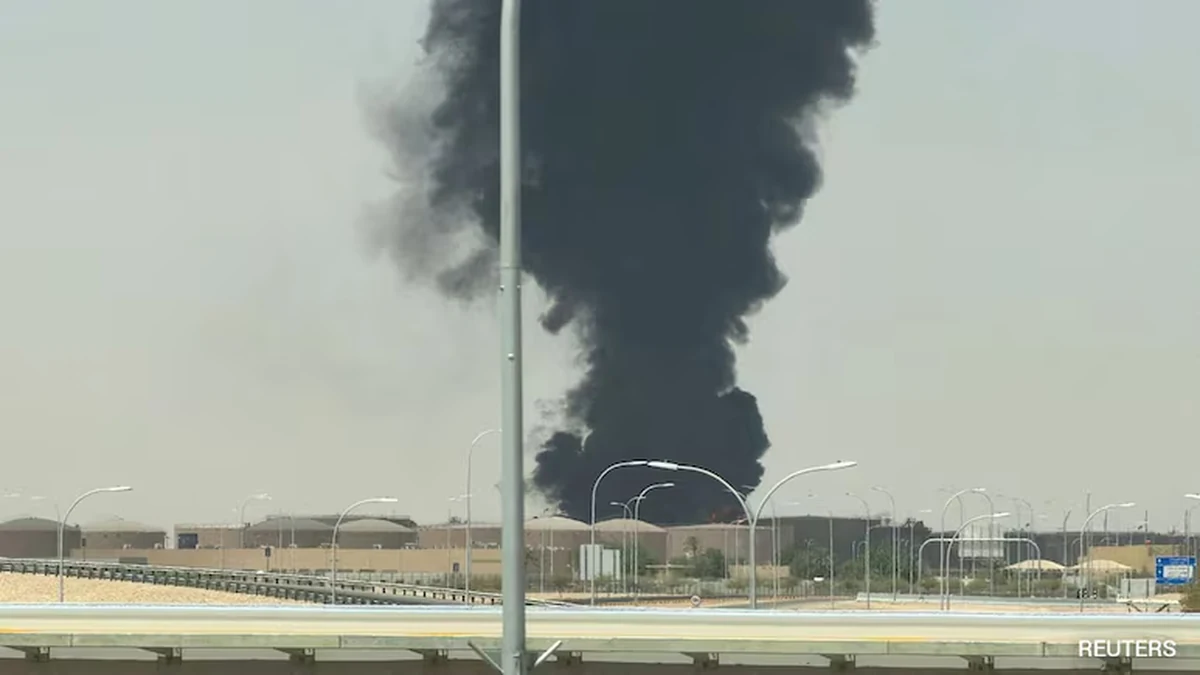
- Saudi Civil Defense said on Saturday it intercepted two Houthi ballistic missiles fired toward the Mecca and Medina regions.
- The Houthis denied it, with a military spokesman calling the claim a “huge lie.”
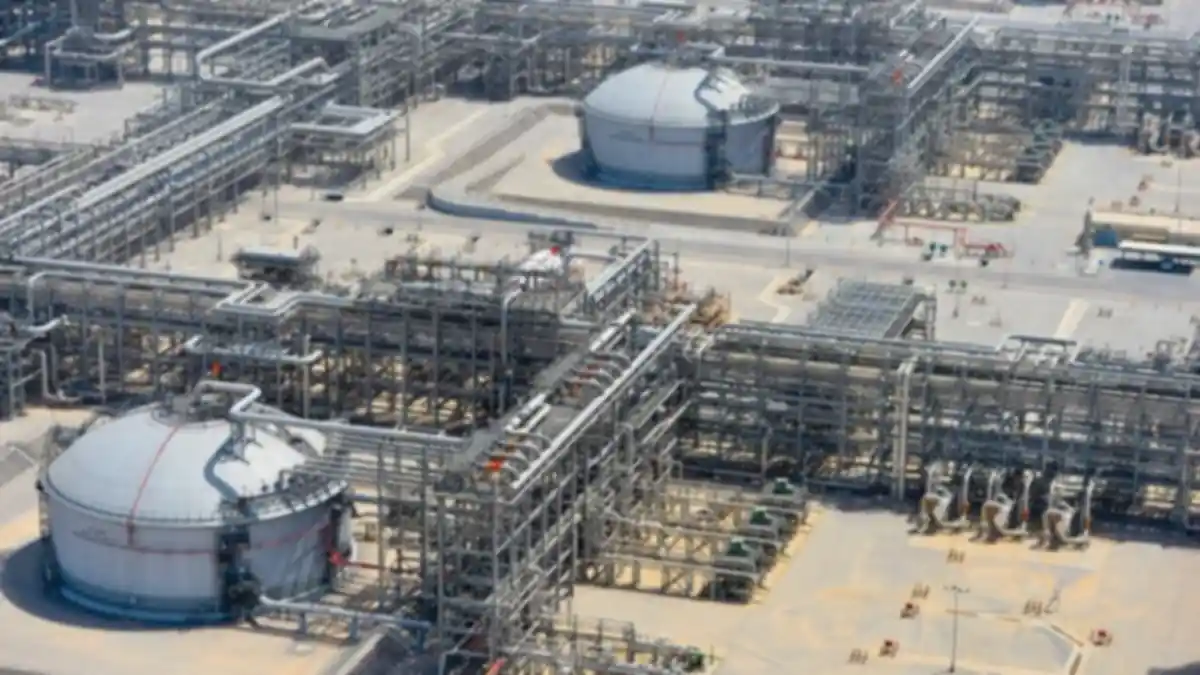
- The group said it carried out seven operations that day, against Aramco sites, an oil pipeline, several airports and an air base.
- The renewed fighting has wrecked a 2022 UN-brokered truce.
The alerts came first. Saudi Civil Defense briefly warned residents of potential danger in Taif, Yanbu, Jeddah and Mecca. Later in the day came the statement everyone in the Gulf had been dreading, that missile debris had fallen near Islam’s two holiest cities.
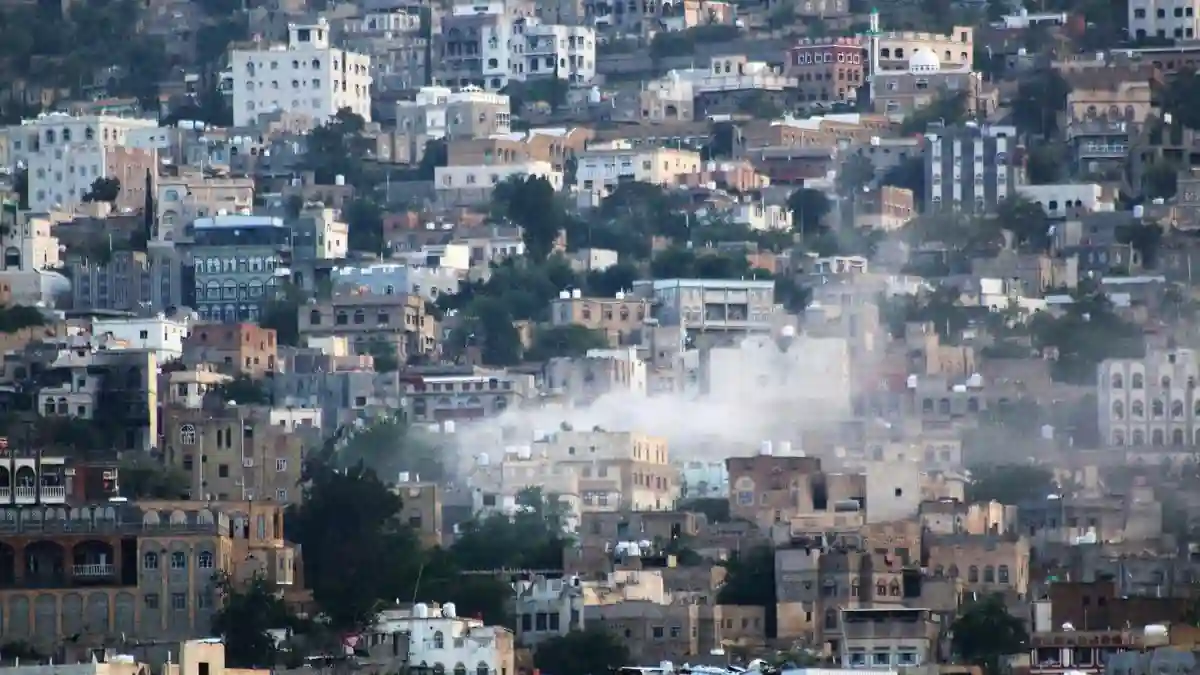
Parts of the two intercepted missiles landed in Wadi al-Mughammas in Mecca. More debris fell in Wadi Jalil in Taif, the al-Nuzha neighbourhood of Jeddah and the Mastoura district of Rabigh. I could not find a report of casualties from the debris.
Houthi military spokesman Yahya Saree said the claim that his forces were targeting Mecca and Medina was a “huge lie.” He said Houthi operations go after Saudi oil facilities and military bases, and that the group announces its attacks publicly when it carries them out.
The group’s own claims for the day were large. Saree said it hit an Aramco facility in Yanbu, the Rabigh refinery, crude pumping stations, the East-West Pipeline and Riyadh’s King Khalid airport. Dammam’s King Fahd airport, Najran airport and an air base near Khamis Mushait were on the list too. Saudi authorities did not immediately confirm the scope of those claims, and it was unclear whether the strikes landed or were intercepted.
What is confirmed? The Saudi-led coalition said its air defences destroyed two ballistic missiles fired toward Yanbu and Taif, after an earlier interception over Riyadh. Coalition spokesman Turki al-Malki also said a drone was shot down in the Riyadh region.
A caution before anyone picks a side. Debris landing in a town tells you where a missile broke up. It doesn’t tell you where it was aimed. Nobody has published launch data or flight paths, so both accounts stay claims.
This argument has a history. In October 2016, Saudi Arabia said it shot down a ballistic missile near Mecca, and the Houthis denied aiming at the city. Reuters reported a similar interception claim in Mecca province in 2019, and the Houthis denied that too.
One detail from this month supports the Houthi denial, though it proves nothing. When the group warned airlines against flying through Saudi airspace earlier in October, it exempted the airspace over Mecca and Medina
The reaction was quick. The Gulf Cooperation Council’s secretary-general called the attack a blatant escalation and warned that exposing Mecca to this danger was a serious provocation to Muslims worldwide.
The Houthis also fired three ballistic missiles at coast guard sites in Aden, according to Yemen’s Saudi-backed government. The Houthis claimed that Saudi strikes killed 11 people. That figure is theirs alone and I have not seen it confirmed.
The fighting is spreading into daily life too. Two people died after attacks at Dammam airport earlier this week. And Air India’s flights to Riyadh and Dammam remain suspended.
On paper, this shouldn’t be happening. Saudi Arabia spent $83 billion on defence last year, according to the Stockholm International Peace Research Institute. It has bought 730 Patriot interceptors from Washington since 2020.
Analysts point to size, cost and tactics. Patriots were built for ballistic missiles, but the Houthis also have cheap drones, including Iranian designs and local copies. Regional officials say the kingdom is running low on interceptors and has asked allies for help. One analyst, Juneau, told CBS the Houthis win if even a minority of their attacks get through.
- The Houthis claimed seven operations on Saturday. On October 18 they claimed six over the previous 48 hours. That is roughly 7 a day against 3 a day, or about 2.3 times the claimed pace. These are the Houthis’ own counts and nobody has verified them.
- $83 billion in annual defence spending against a pipeline and airport network spread across a country this size shows why money alone doesn’t close the gaps.
Whether Riyadh answers with a bigger air campaign is the open question. So is whether anyone outside the combatants publishes proof of where those two missiles were headed.