- Ohio logged 467 shigellosis cases in 2024 and 396 in 2025, per provisional CDC data.
- Extensively drug-resistant Shigella made up 8.5% of tested samples in 2023, up from 0% in 2011, the CDC reported in April.
- Most people recover in five to seven days without antibiotics.
- Handwashing, staying home when sick and getting care for severe symptoms are the standard advice.
Ohio counted 467 shigellosis cases in 2024 and 396 in 2025. Those are provisional CDC figures, and they fit with what The Columbus Dispatch reported Friday: hundreds of people in the state sickened by a bacterial infection that is getting harder to treat.
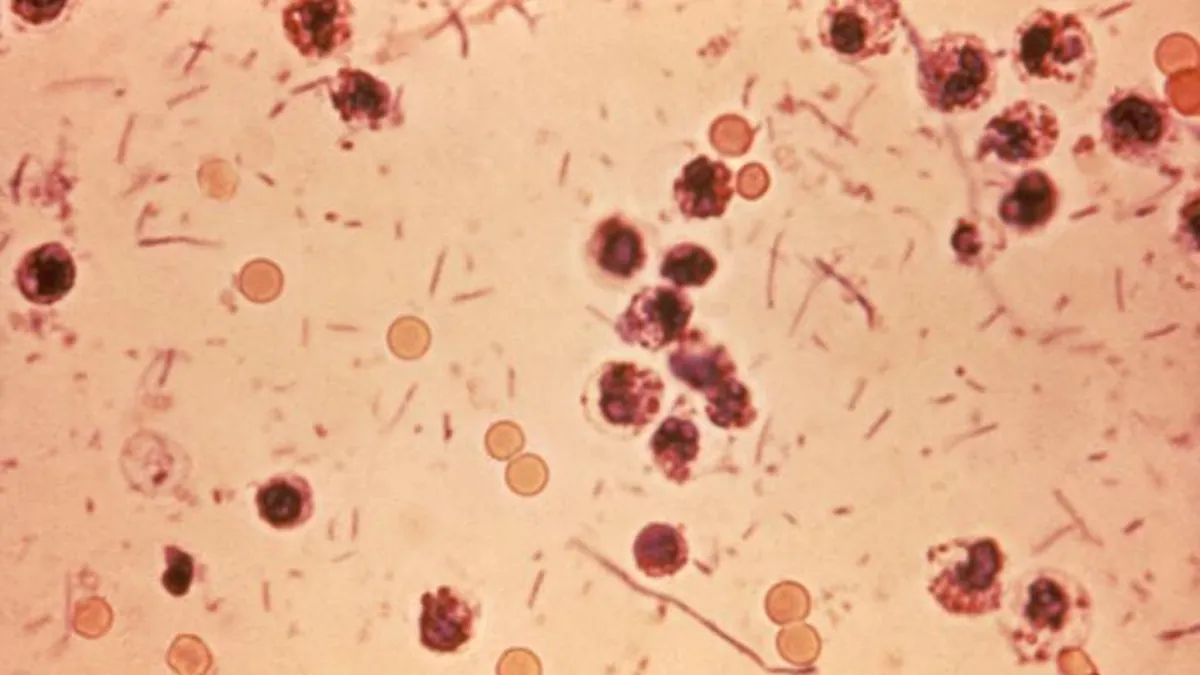
Shigellosis comes from Shigella bacteria. Tiny traces of stool are enough to pass it on. Contaminated food does it, so can a shared bathroom or a diaper change. Sex can too, which is where the "sexually transmitted diarrhea" label in recent headlines comes from.
This year started a little ahead of last. By the week ending March 28, Ohio had logged 96 cases against 80 at the same point in 2025. That is the most recent year-to-date count I could find, and the CDC says weekly figures get revised as local health departments update their records, so treat it as rough.
Nationwide, 2025 was quieter than 2024. About 18,200 cases were reported, down from roughly 25,500.
A drop like that doesn't mean much if the cases that remain are tougher to cure.
Most people never need a prescription. It's five to seven days of misery, lots of fluids, and that's it. Dr. Mahdee Sobhanie, an infectious diseases physician at Ohio State's Wexner Medical Center, told Healthline after the CDC's 2023 advisory that the majority of infections clear up on their own.
Some people do need antibiotics, though. For them resistance is a real problem.
The CDC's April report put extensively drug-resistant Shigella, shortened to XDR, at 8.5% of samples tested in 2023. In 2011 the figure was zero. An earlier alert had it near 5% for 2022. The agency's 2023 advisory named five common antibiotics that might fail against these strains: azithromycin, ciprofloxacin, ceftriaxone, trimethoprim-sulfamethoxazole and ampicillin. It had no treatment recommendations to offer for them.
Ohio has a long history with this bug. In September 1954, a rural elementary school in central Ohio had an explosive outbreak that the state health department traced to cafeteria food and pinned on Shigella sonnei.
Resistance is the newer part. The CDC first warned about multidrug-resistant Shigella in 2015, when it said strains were being brought into the country by international travelers. By 2016 Ohio was dealing with a homegrown outbreak. Columbus Public Health and Franklin County Public Health investigated the state's first XDR outbreak in 2016: nine men who have sex with men, all infected with strains resistant to ampicillin, ciprofloxacin and trimethoprim-sulfamethoxazole.
Sexual spread among men who have sex with men isn't a recent discovery, either. CDC investigators were writing about it after a San Francisco outbreak in 2000 and 2001, and called for renewed prevention efforts at the time.
Young children are the usual victims, and the CDC says outbreaks tend to start in child care centers and schools. Travelers, people experiencing homelessness, and gay and bisexual men are also on its higher-risk list.
Symptoms start one to two days after exposure. Diarrhea, sometimes bloody. Fever, cramps, nausea. Plenty of other stomach bugs look the same, so doctors lean on a stool test, which also shows which antibiotics will work, if any. Bloody diarrhea, a high fever, bad cramping or diarrhea that drags on all call for a doctor.
Parents of kids in day care should ask the center about its return rules. Health officials in Rockland County, New York, said during an outbreak there that day care children should have two negative stool samples, taken 24 hours apart, before returning. Local rules vary, so it is worth checking before sending a recovering kid back.
Dehydration is the main danger in an otherwise ordinary case. That's why the CDC pushes fluids so hard, especially for small kids.
The prevention advice hasn't changed much. Wash your hands with soap and water after the bathroom, after diapers and before handling food. Stay home while you're sick, and don't cook for other people. Minnesota's health department adds a rule for sexual partners: wait two weeks after the diarrhea stops.
Confirmed cases have to be reported, so doctors and labs pass them to local health departments. That is how clusters get noticed.