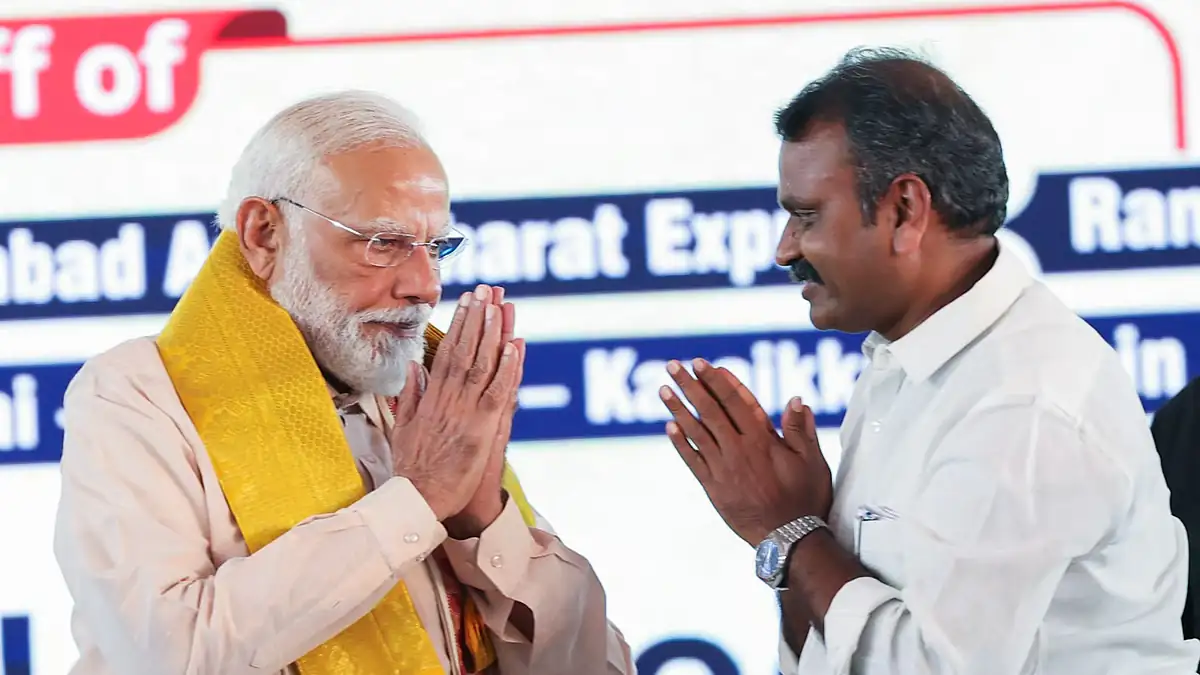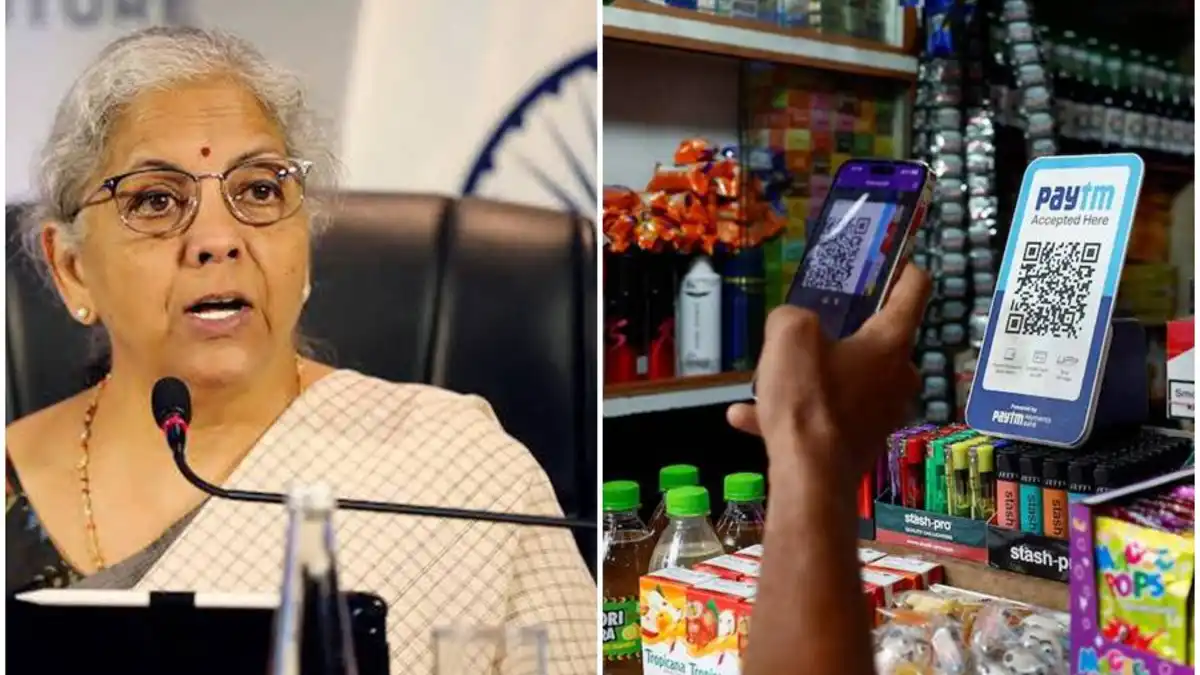
Taxation and Other Laws (Amendment) Bill, 2026, was tabled by the Finance Minister, Nirmala Sitharaman, in Lok Sabha on August 4, 2026, and may open the door for the reintroduction of merchant fees on UPI transactions. Despite all the opposition noise about other unrelated bills and repeated disruptions to the process, the Taxation and Other Laws (Amendment) Bill, 2026 is one that will have substantial impact on Indian economy as it aims at amending Payment and Settlement Systems Act, 2007, the Income-Tax Act, 2025, and Finance Act, 2026. Such amendments are aimed at simplifying tax compliance and building strong digital payment infrastructure of India.
The essence of the Taxation and Other Laws (Amendment) Bill, 2026 is an abolition of an old provision that prevents any MDR fees for notified electronic payment methods including UPI transactions since 2020.
It must be noted that the bill itself does not set any fees immediately. It only replaces a list of payment methods that are currently exempted due to the clause of Income Tax Act of 2025 by means that provide the Government of India with permanent discretion to determine whether such or such mode of digital payment will be chargeable or not. In other words, the responsibility of charging will go to Reserve Bank of India because of the elimination of Income Tax Act enforcement clause. So, merchant fees for UPI transactions are no more prohibited legally.
They will just require another gazette notification to become chargeable in practice.
The sheer magnitude of what is being played out is why payment companies have lobbied for this for years. In July 2026 alone, 23.6 billion transactions totaling roughly ₹29.9 trillion (equivalent to about $313.5 billion) were transacted using UPI. The market leadership among UPI players was held by Walmart-owned PhonePe and Google Pay.
Industry insiders had always said that this growth trajectory would be unsustainable as the payment players earn nothing for each of these transactions.
According to government sources, one possible solution will involve applying the MDR ranging from 0.3% to 0.5% only on transactions greater than ₹2,000 for merchants whose annual turnover exceeds ₹1.5 crores, leaving UPI free for consumers, small merchants, and transactions below ₹2,000. Based on an estimate from the brokerage firm Jefferies, it turns out that transactions greater than ₹2,000 comprise 4% of merchant payment transaction volumes but contribute to about 67% of total transaction volume and can generate revenue in the range of ₹5,000 crore to ₹10,000 crore annually by fiscal year 28.
The policy which was reversed was a deliberate social experiment in its own right. Back in December 2019, Sitharaman had announced in her budget speech that there would be no charges applicable for UPI and RuPay transactions starting from January 1, 2020.
It was all meant to remove every possible roadblock to make digital payments easy and popular at the national scale.
The government made it clear from the get-go that it was going to shoulder the cost of MDR via savings achieved by reduction in cash handling by the banks. What followed was that a budgetary subsidy to the banks replaced the merchant's MDR.
The system has been facing growing difficulty to keep operating in this fashion. As noted by the Parliamentary Standing Committee on Finance in its report published in March 2026, this approach was economically untenable and a workable revenue generation strategy was required for such a payment system.
Even stronger wording used in the written response from the Department of Financial Services stated that there was no MDR means that the entire UPI ecosystem was not sustainable and posed a tough question of whether the BHIM-UPI system must continue to receive its subsidy in the range of ₹2,000 crore every year.
The introduction of the Bill comes within a broader session which was characterized by opposition disrupting due to controversies unrelated to the bill itself, among them controversies over the Ram Mandir donation funds, and the conduct of the police when dealing with previous protests.
The Lok Sabha passed an Appropriation Bill that same day through a voice vote and then adjourned the house, leaving the tax amendment as pending legislation to be considered.
Since the bill only lays ground for the tax in question to be imposed, but does not impose any new obligation immediately, the actual battle will probably move to the Reserve Bank of India and the Finance Ministry, where a formal notification will be necessary for any fee to go into effect.
This makes the outcome of the bill unpredictable; it might result either in fee on transactions conducted by large merchants in large amounts or in a fee altogether, if political and popular pressure prevents this from happening for a long time.