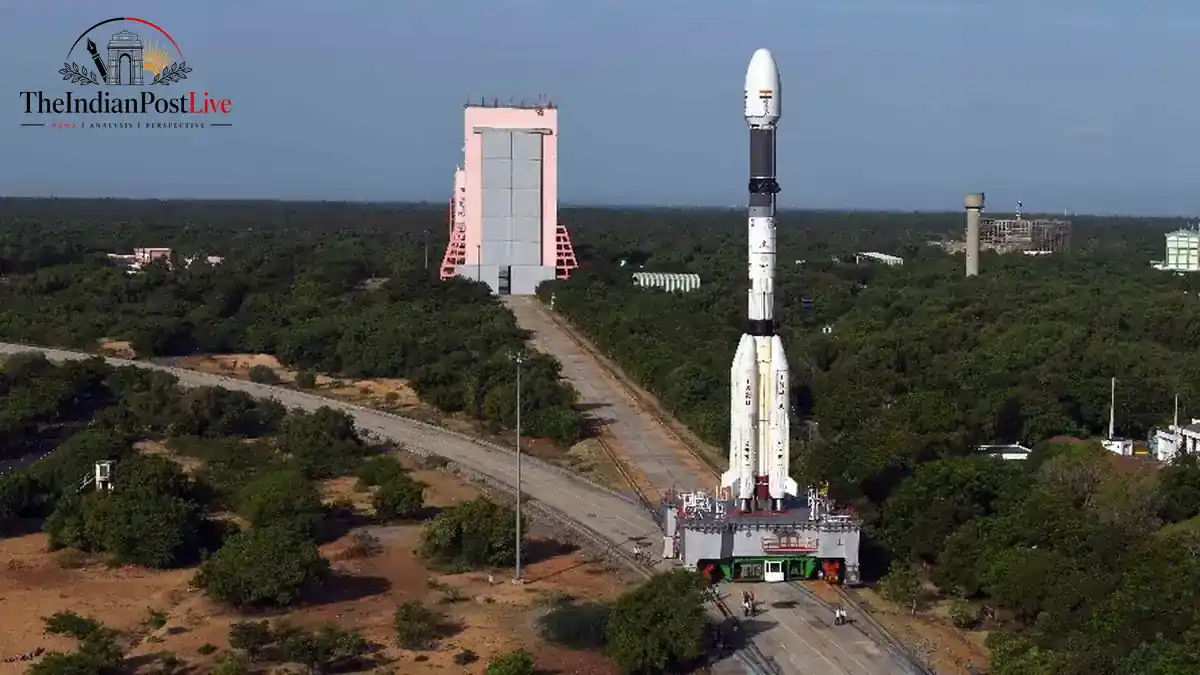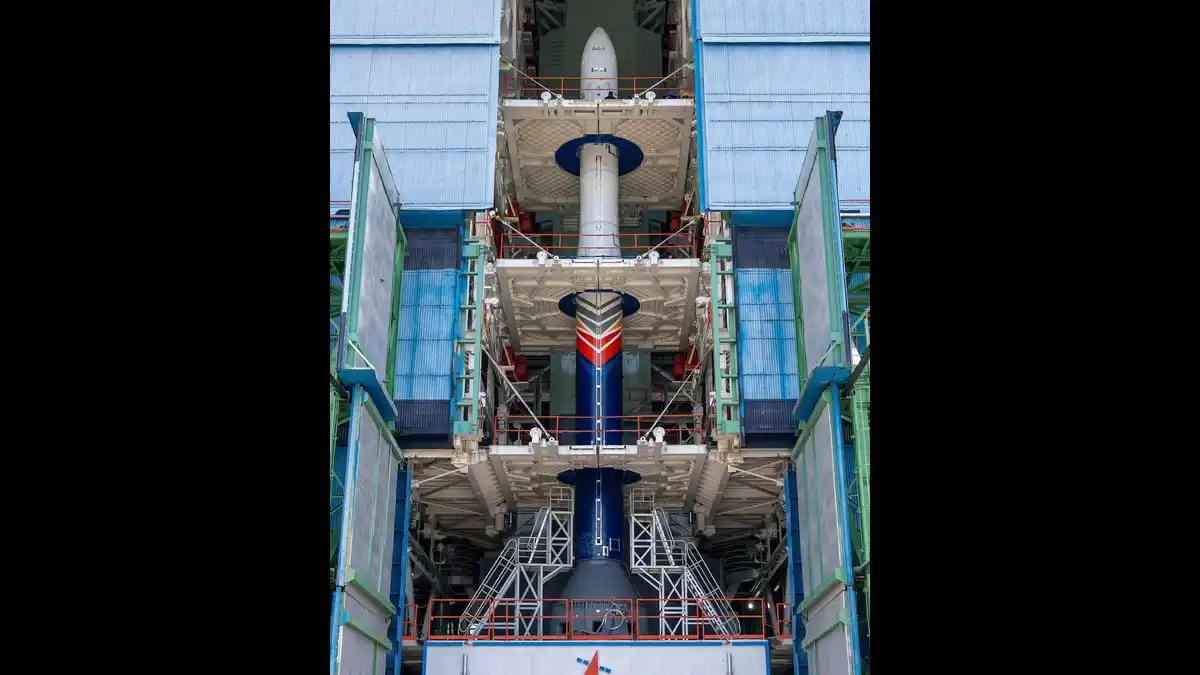
Vikram-1 rocket launch by Skyroot Aerospace at Satish Dhawan Space Center in Sriharikota has put India in a new era of space exploration.
The rocket managed to put payloads in Low Earth Orbit and was the first privately developed and privately integrated rocket to achieve this feat after decades.
There were issues with navigation, which caused the rocket that was set to take off at 11:30 AM to be launched nearly half an hour later, at 12:05 PM, which was confirmed on Skyroot Aerospace’s official account. “History is being made”, Skyroot said as the rocket made its launch from the First Launch Pad of the Sriharikota rocketport.
Nevertheless, the flight was performed flawlessly, without any issues. The four-stage rocket began to climb into space towards its target, that is, into the orbit that is situated at a height of 450 km above the Earth.
Though the maiden orbital flight can be far from perfect sometimes, the successful orbiting on the very first try is rather unusual and hard to achieve.
The Vikram-1 rocket is named in honor of Dr. Vikram Sarabhai, regarded as the father of the Indian space program. Rocket in 7 steps and 4 total rocket stages length of rocket between 20 to 24 meters and the diameter of the rocket is 1.7 meters the purpose of the rocket to be the small satellites to the low earth orbit that weighs as much as 350 kilos the rocket manufactured to the express launchers they are one of the quickly developing segment of the worldwide space industry.
The owners of small satellites require a cheap way to launch their satellites into orbit.
For the first launch, there will be four separate payloads. They include the SOLARAS S3 satellite from Grahaa Space, Embrace robotic arm from Cosmoserve Space, in-orbit demo paythe Embraceom DCUBED, and its own satellSpace, thelled SCOPE. In order to emphasize the importance of the flight, it will be accompanied by a postcard featuring the image of the Prime Minister Narendra Modi as well as a gold micro-rocket dedicated to Indian scientists.
In business since 2018, private company Skyroot Aerospace was set up by Pawan Kumar Chandana and Naga Bharath Daka. Skyroot had already made waves when in November 2022 it successfully launched its first rocket-suborbital Vikram-S as part of the Prarambh, or “beginning” mission.
Apart from being a landmark event that is associated with the development of a spacecraft that has been created and launched by the Indian private company for the first time, the rocket also included many innovations by Skyroot such as the carbon fiber body and 3D printed solid thrusters.
The Vikram-1 mission is a logical step forward for the previous technological developments. Based on the speech of Pawan Kumar Chandana – the founder and CEO of the company, his team did everything they could to make sure that the rocket would pass all possible tests on the ground, and now he wants to put it to the test in the air. However, for Naga Bharath Daka – another co-founder and COO of Skyroot, the mission means much more.
India made its space sector open to private firms in 2020, with Skyroot being the first start-up to make a memorandum of understanding with ISRO for using the facilities for launching and testing rockets. Since then, India's private space industry has been growing at a steady pace, but being able to design, develop, and launch a rocket into orbit independently has always been an unattained milestone until Saturday.
With the successful launch of Vikram-1, India becomes part of an extremely exclusive club of nations, which includes the United States and China, whose private companies are able to perform their own launches into space independent of the nation's space agency.
The significance lies not only in symbolic value but also in business terms since now the Indian private space industry will be able to compete in the rapidly growing market of launching small satellites into orbit.
According to Skyroot, its future vision includes running a "cab service to space" such that the company would provide a dedicated vehicle to each customer for sending up his satellites, unlike a "queue for a shared ride on a launch vehicle." The Vikram-1 has turned out to be an important validation for the vision, and it will pave the way for future heavy launchers that the company plans to have, like the Vikram-II, which is expected to have a cryogenic upper stage with significantly larger capacity.
Prime Minister Narendra Modi congratulated the Skyroot team after the launch of Vikram-1 and told them that he had been watching the event live and their success will motivate Indian youth and "that was just the beginning." Political leaders from different parts of India, including Odisha's Chief Minister, welcomed the launch as a mark of India's progress in space technology.