In a small town in India, a father frames his son’s degree certificate in engineering and places it on the living room wall along with school certificates, a medal, a rank certificate of the board exam results, and the newspaper cutting for being declared the district topper.
The wall used to tell a tale of promise until one fine day, it becomes the witness to a tragic story of a boy leaving behind a note with just two words written on it because he could not go back home without getting a job offer.
This kind of story has become so common that they can no longer surprise a nation that has read similar headlines over and over—that of a brilliant student having gotten admission and pursuing their studies successfully but being under so much pressure from various factors that it led to their death.
The official government records confirm that this is not some sort of a horror story but a trend in reality. Student suicides in India reached an all-time high in recent years, and the suicides due to unemployment are counted in thousands each year.
There will be countless families in India that have put their hopes and dreams into their child becoming a BTech topper. And most likely, the narrative behind every BTech topper will sound similar to this: great academic achievements at school, followed by a coveted admission into a prestigious engineering college, years of preparation in coaching classes, a huge expenditure on tuition fees, and hope of a bright future after graduating. In the case of the BTech topper, the medal symbolizes much more than the personal victory over classmates and competitors.
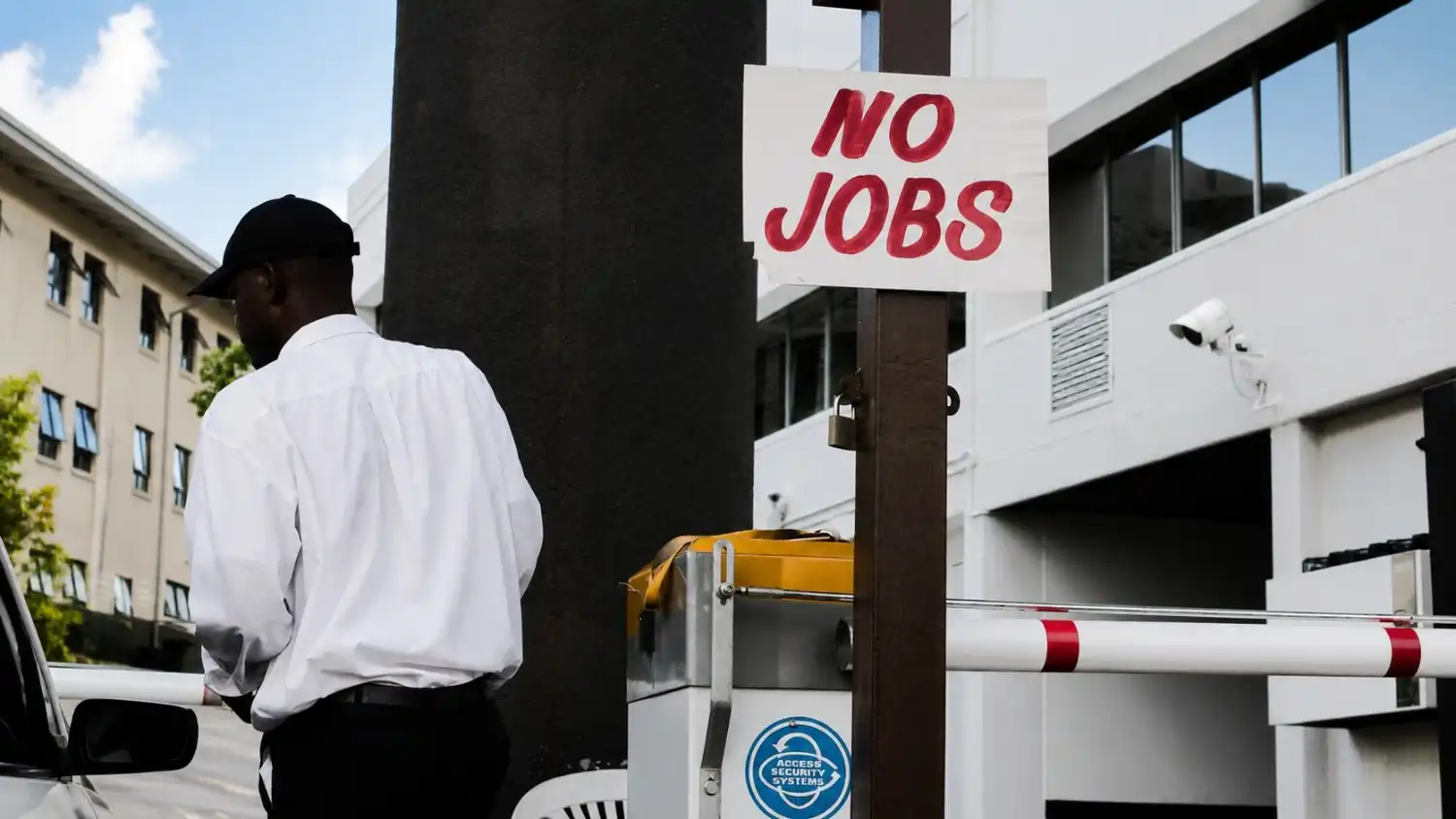
It represents hope of a chance for his or her family to improve its socio-economic standing. And then, when the real exam comes and no amount of preparation helps anymore—the job market. India produces over a million engineering graduates per year, yet studies conducted by companies providing employability assessments consistently find a substantial part of those graduates to be unemployable.
The fact that there is a wide gap between the skills a graduate is supposed to have acquired during the years of study and the requirements of prospective employers leads to a prolonged struggle of rejections, unanswered emails, and interviews that lead nowhere. The situation may seem depressing enough.
A recurrent feature in the suicide notes of students and graduates from India is an apology and not despair. "I am sorry, papa," "I could not do it," "I am a failure." These words reflect guilt towards those who had invested in them, rather than hatred for life.
This detail is important beyond measure since it means that the reason behind these suicides does not lie in the hate for living but in the inability to face family members with no success brought about.
This feeling is intensified by the silence of the students.
It is true that mental health continues to remain stigmatized in India, and hence expressions of difficulties experienced by young people, who are meant to provide for their families, are interpreted as weaknesses rather than danger signals.
Usually, parents learn about how much their child was suffering too late.
Coaching centers such as Kota, which are home to hundreds of thousands of students preparing for competitive tests every year, are symbolic of this pressurizing atmosphere and have reported a few cases of student deaths in recent years.
However, to attribute this solely to either a psychological issue or a parenting issue would be too simplistic.
Behind every such tragic incident lies a systemic issue, which is that India's education system produces many more graduates, especially those from engineering courses, than the country can provide them with jobs.
Campus placements, which once provided almost all engineering students with jobs, have become fiercely competitive because the employers have raised their benchmarks and reduced their hiring numbers, while the number of students seeking a job increases every passing year. There exists a peculiar and vicious circle, which states that a student does everything right—comes first in their class, passes entrance tests, receives a reputable degree—but ends up being unemployed owing to reasons that have nothing to do with how hard or smart he worked.
Factors like automation, hiring freezes, oversaturation in some fields, and the absence of industries in some regions contribute to the situation in which a single student cannot influence much. The system fails them, but they shoulder all the blame for this failure.
There is a need to take a step in several directions to solve this problem.
In the family, there has to be a shift of focus from achievement to acceptance.
It is unacceptable to present conditional love or pride to children, and the consequences can be disastrous.
It is reassuring for a child to know that they are loved regardless of any job offer or rank—this does not make parents less responsible; on the contrary, they might save their child’s life. Educational institutions have to provide better career counseling services and mental health support.
Colleges have to hire trained counsellors and set up early warning systems for those students who display signs of distress during studying or mental breakdowns.
Reforming the curriculum according to the demands of industries would make the transition into the job market easier for graduates. From the economic point of view, policymakers have to deal with a discrepancy between the number of awarded degrees and job offers.
There are vocational opportunities, skilling courses, and even entrepreneurship available to graduates. At the societal level, the concept of success has to change. No one’s degree, rank, job, or any other thing has to be a measure for.