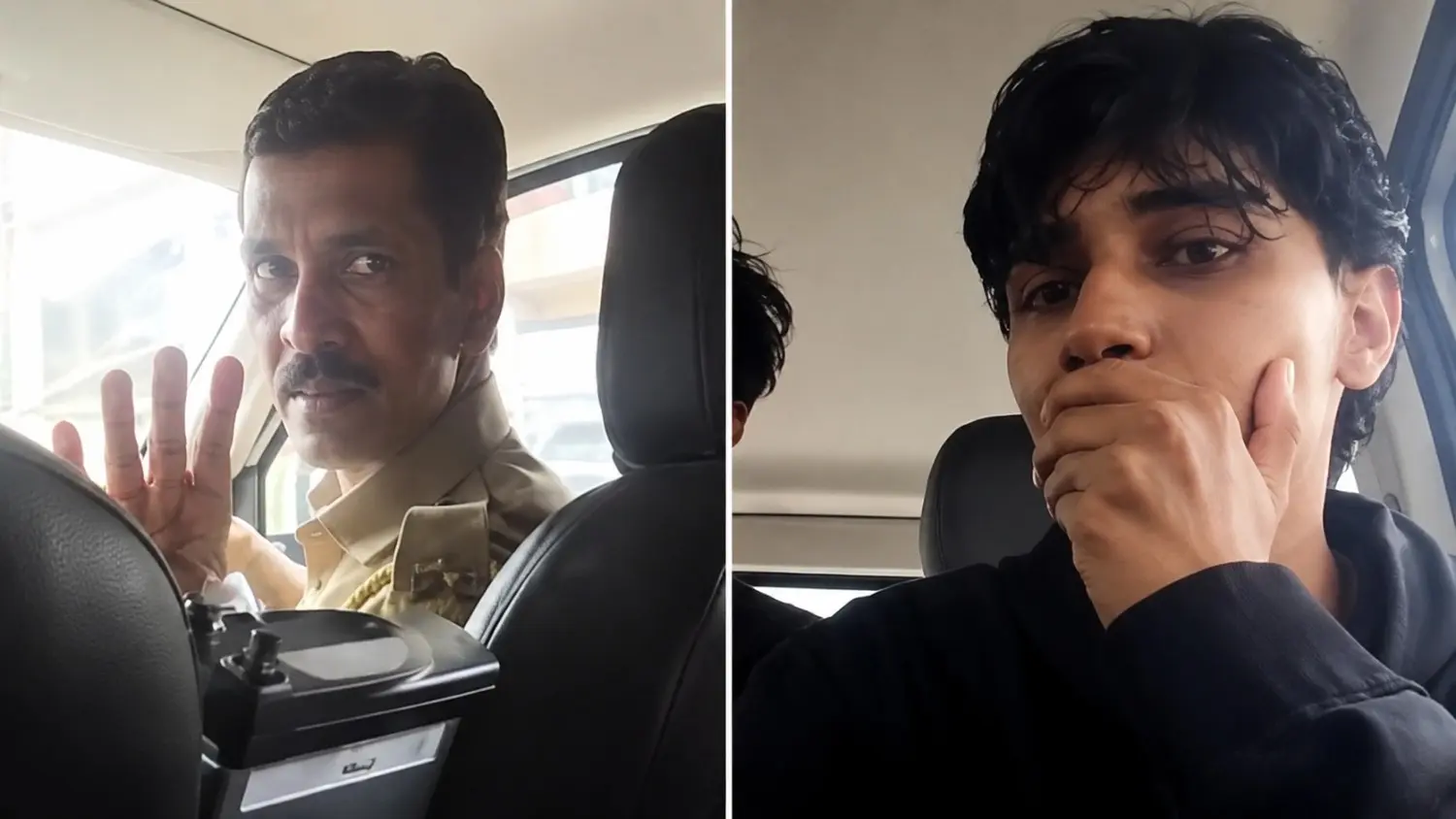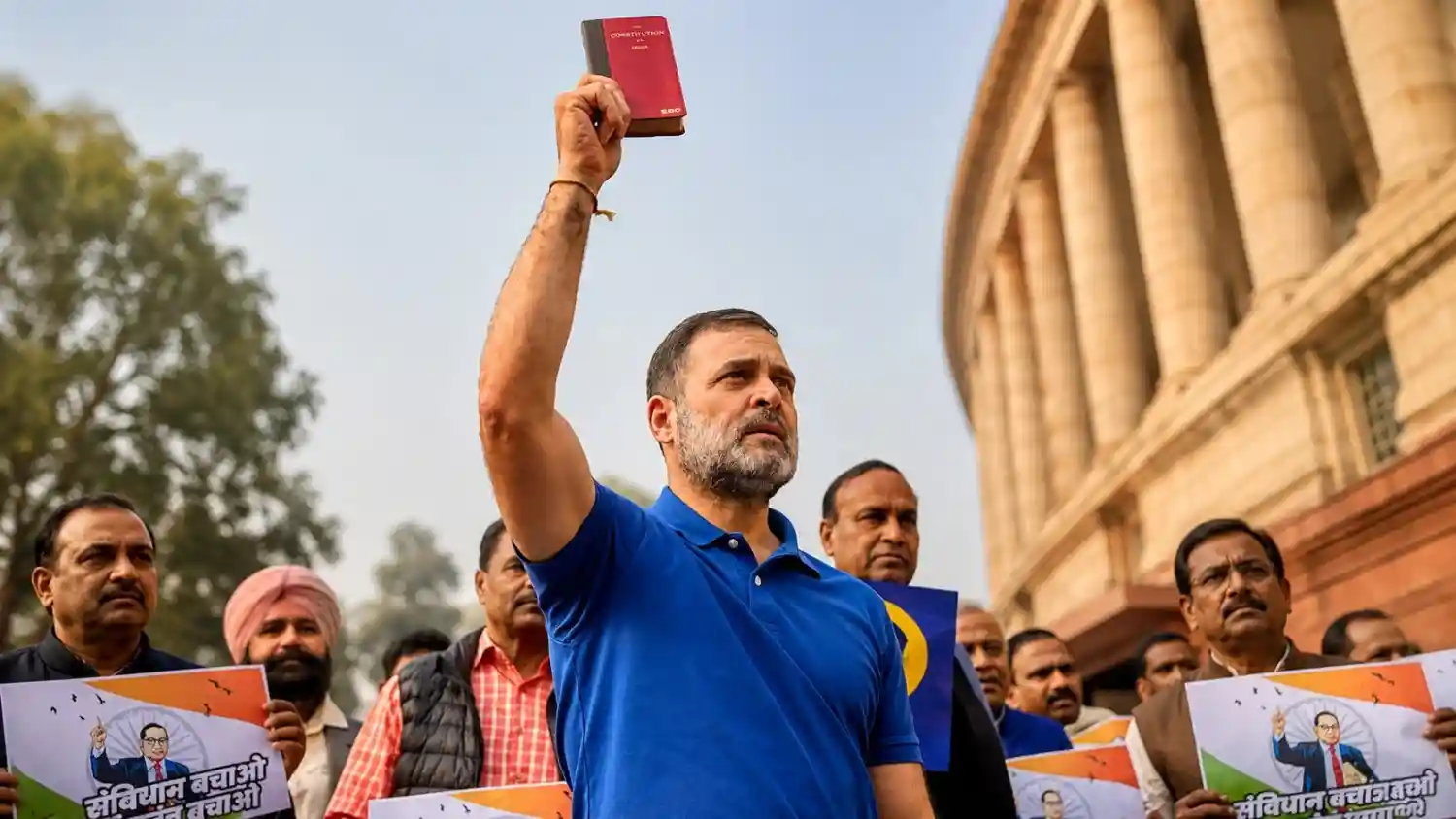
It could not have been stronger. In one of its most robust observations recently on the limits to police power during peaceful public protests, the Supreme Court of India has definitively and emphatically reiterated that there is a guaranteed right under the Constitution of people assembling peaceably and police are not permitted to use force simply because of assembly.
The comments were by a bench comprising CJI Surya Kant with Justices Joymalya Bagchi and V.Mohana, while hearing a set of petitions, which complained of police brutality against student protestors.
It is one of the strongest judicial commentary in recent times on the same and, indeed, comes in a period when issues of police power and protests have gathered significant national interest.
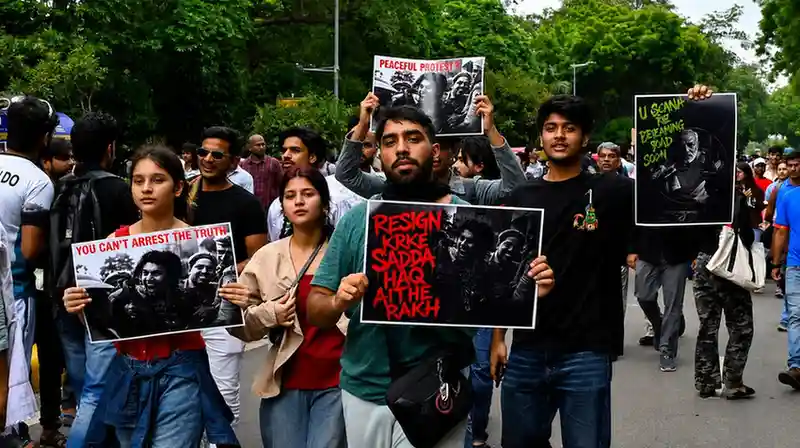
The origins of this episode can be traced back to an organized march by students through central Delhi on July 20.
The protests were initiated by an group calling itself the Cockroach Janata Party, which had engaged in prolonged agitation, including a fast, at New Delhi's Jantar Mantar over allegations that papers for a test were leaked and the way in which the examination system was designed – students called for the resignation of the Union Minister for Education.
As the marchers made their way toward Parliament, they came across a number of police barricades. There was some violence in response to what seemed like stone-throwing and people being pushed around on both sides. The police’s contention was that it resorted to use of force only after the march turned violent.
“The constitution gives full freedom to protest. You just by protest, merely having demonstrations… can't consider that as license to issue orders for lathi charge,” stated CJI Surya Kant, addressing the bench. “If there is an actual excessive action (by police), the same has to be separately inquired into and not to leave that to the police itself for their own inquiry,” CJI Surya Kant added. The CJI said that it is “not an issue pertaining to the Delhi administration” and demanded a uniform code in country with regard to protest and action of police vis-à-vis the protestors and that no uniform standard has been fixed “leading to disparate application.” “In fact the process of democracy can't discipline it's participants without also expecting certain discipline from the participants as well," the Chief Justice of India concluded.
Interestingly, the bench, thus far, didn't put the issue in a frame that only took sides. "It is the concern for every protestor as well as the concern for those people who are on the other side. Police brutality has been reported as well as suffering at the hands of protestors," Justice Joymalya Bagchi observed. The Supreme Court also, now, allowed the Advocates, on record of those families where police personnel sustained injuries in the protest, to take part in ongoing proceedings.
The bench also mentioned asking all states about provisions regarding any helmet given to cops performing such duties. This hints that when the court's instructions in relation to the restrained use of force issue next, it might look at increasing protective facilities of personnel too. This would be on the same principle to avoid casualties from either side—barricade—that it is leaning on.
A handful of petitions on the issue have since landed before the Supreme Court. One, brought through an advocate-on-record, asks for a series of specific orders including: regulation of police behavior in the face of public protest, a moratorium on using plainclothesmen as part of crowd control forces; delineation of parameters regarding prohibitory orders issued under section 163 of the Bharatiya Nagarik Suraksha Sanhita; and an inquiry into the specific police response on July 20. Broad social factors behind the unrest were also pointed to by the petitioners, including financial hardship, youth unemployment, and increased costs of education in fueling societal disaffection amongst the youth.
The journey towards Wednesday’s hearing was not without incident. Just days before, on July 22, the CJI refused to hear an interlocutory application filed by way of letter on the July 20 incident.
The CJI faced some criticism after reportedly expressing disinterest in watching video footage of the incident. The CJI later clarified that the decision to not hear the interlocutory application was based on the fact that it was not a properly constituted petition in front of the Supreme Court. Earlier this month, the Delhi high court chief justice too appeared to disincentivize bringing the same issue to the courts while a similar writ petition was heard in front of that bench.
It was only following the urging of a senior advocate on July 24 that the supreme court was persuaded to list the same for hearing.
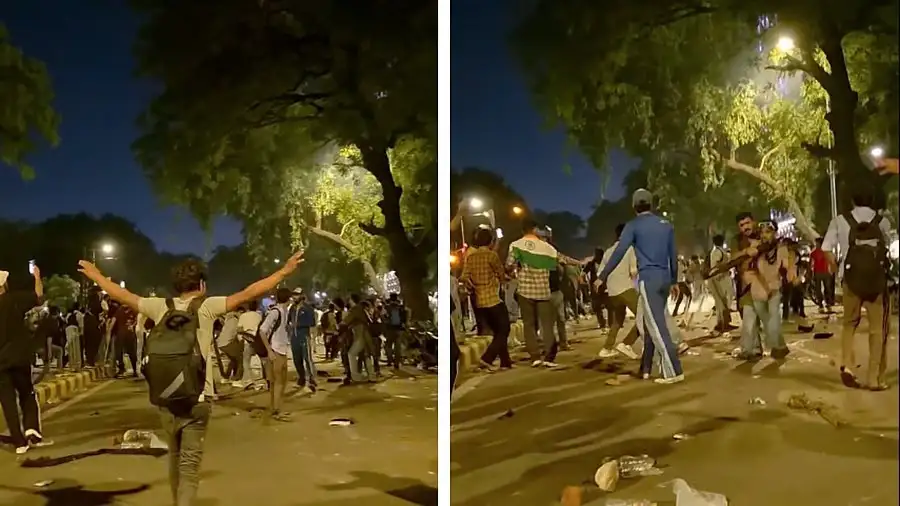
Photo: @ Social Media/X